Baja California, a stunning peninsula in Mexico, is renowned for its exceptional whale-watching opportunities. Every year, various whale species migrate to its warm waters, making it a premier destination for marine wildlife enthusiasts. This guide delves into the best spots and seasons for Baja California whale watching, ensuring you have an unforgettable experience.
Why Baja California is Ideal for Whale Watching
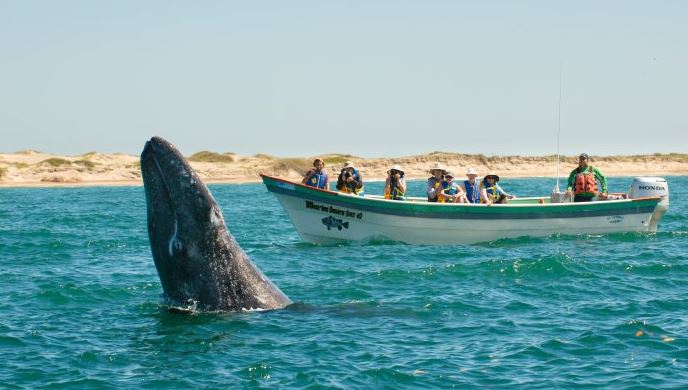
The nutrient-rich waters surrounding Baja California create an ideal habitat for whales. The peninsula’s unique geography offers sheltered lagoons and bays, providing safe breeding and birthing grounds for these majestic creatures. This natural setup makes Baja California a hotspot for observing diverse whale species in their natural environment.
Top Whale Watching Spots in Baja California
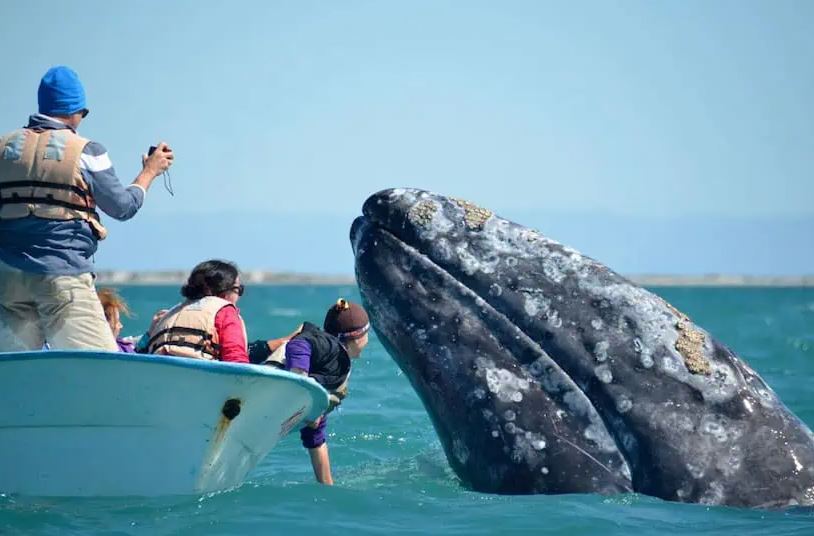
- Laguna San Ignacio – Located on the western coast, Laguna San Ignacio is a UNESCO World Heritage site and a critical breeding ground for gray whales. Visitors often experience close encounters, as these gentle giants are known for their curious and friendly behavior toward boats.
- Bahía Magdalena – Situated along the Pacific coast, Bahía Magdalena comprises a series of protected bays and mangrove channels. It’s a favored spot for gray whales during calving season, offering numerous tour options for enthusiasts.
- Guerrero Negro – Located near the border of Baja California Norte and Baja California Sur, Guerrero Negro is famous for its salt flats and as a sanctuary for gray whales. The Ojo de Liebre Lagoon here is a prime location for whale watching.
- Loreto – On the Sea of Cortez side, Loreto offers opportunities to see blue whales, the largest animals on earth. The surrounding waters are also home to humpback whales, dolphins, and other marine life.
- Cabo San Lucas – at the southern tip of the peninsula, Cabo San Lucas is a popular tourist destination where humpback and gray whales can be observed during their migration periods. Numerous tour operators provide excursions catering to various preferences.
Optimal Seasons for Whale Watching
The whale-watching season in Baja California varies by species:
- Gray Whales: Typically observed from December to April, with peak calving occurring in January and February.
- Humpback Whales: These are best seen from late November to April and are known for their acrobatic displays.
- Blue Whales: Blue whales are often spotted between February and April, especially in the Sea of Cortez near Loreto.
Tips for a Memorable Whale-Watching Experience
- Choose Reputable Tour Operators: Opt for operators committed to responsible and sustainable whale-watching practices.
- Book in Advance: Especially during peak seasons, to secure your spot.
- Dress Appropriately: Wear layered clothing, as temperatures can vary, and consider waterproof gear.
- Bring Essentials: Don’t forget sunscreen, hats, binoculars, and cameras to capture the experience.
- Respect Wildlife: Maintain a respectful distance and follow the guidelines provided by tour operators to ensure the safety and well-being of the whales.
Read Also: Why You Should Visit Mexico in February?
Conclusion
Baja California offers unparalleled opportunities for whale watching, with its diverse spots and favorable seasons attracting enthusiasts worldwide. Whether you’re seeking the playful interactions of gray whales in sheltered lagoons or the awe-inspiring presence of blue whales in the Sea of Cortez, Baja California has something for every whale watcher. Plan your visit during the optimal seasons, choose the right locations, and prepare adequately to ensure a memorable and responsible experience.