Welcome to the ultimate Cuenca Ecuador travel guide, where history, culture, and beauty converge in one of South America’s most enchanting colonial cities. Nestled high in the Andes at about 2,550 meters above sea level, Cuenca’s Historic Center—officially known as the Historic Centre of Santa Ana de los Ríos de Cuenca—is a UNESCO World Heritage Site distinguished by its grand architecture, quaint cobblestone streets, lively plazas, and rich indigenous heritage.
1. The Charm of Cuenca’s Historic Center
The layout of Cuenca’s Historic Center reflects Renaissance urban planning adapted to Andean geography. The city was founded in 1557, and its orthogonal grid—streets laid out in a terra firma valley carved by four rivers—gives Cuenca both coherence and charm. Colonial-era homes, balconied facades, and stone archways stand side by side with artisanal shops and cafés, offering visitors a sense of timelessness and local vibrancy. Ambient sounds of church bells, vendors, and daily life complete the picture.

2. Iconic Landmarks to Explore
No Cuenca Ecuador travel guide would be complete without visiting its signature churches and plazas.
- New Cathedral (Cathedral of the Immaculate Conception)
A dominating structure in front of Parque Calderón, the New Cathedral boasts three large blue-and-white domes made with glazed tiles from Czechoslovakia, a blend of Romanesque Revival, Neo-Gothic, Baroque Revival, and Byzantine elements. The facade features alabaster and local marble, and the interior’s stained glass windows are works by Spanish artist Guillermo Larrazábal. - Old Cathedral (El Sagrario / Iglesia del Sagrario)
Located just across the plaza from the New Cathedral, this Baroque colonial basilica turned Museum of Religious Art houses frescoes, altars, and artworks dating back to the 16th century. It provides insight into both the colonial period and religious traditions that still influence Cuenca’s identity. - Parque Abdón Calderón (Plaza Calderón)
The main square and heart of the Historic Center. Surrounded by governmental buildings, churches, and historic residences, it’s the gathering place for festivals, public life, and people-watching. The square is often lively, especially during civic celebrations and processionals.
3. Museums and Art Galleries
For travelers seeking depth, Cuenca offers several excellent museums that bring its history and culture vividly to life—key parts of any serious Cuenca Ecuador travel guide.
- Museo Pumapungo
An ethnographic and archaeological museum where you can explore traditional costumes, indigenous crafts, archaeological ruins (including Inca and Cañari), and exhibits about Ecuador’s diverse peoples and their beliefs. The grounds also include the Pumapungo archaeological site, once part of Tomebamba. - Museum of Religious Art (Old Cathedral)
The Old Cathedral doubles as a museum, offering visitors religious sculptures, paintings, and historic altars. The building itself, with its aged walls and restored frescoes, is an exhibit of colonial architecture and devotion. - Other Galleries and Small Museums
Walk along Calle Larga and neighboring streets to find smaller galleries featuring local painters, craftspeople, and occasional exhibits on colonial-era artifacts or textile traditions. These lesser-known gems deepen the traveler’s appreciation for Cuenca’s living culture.
4. Markets and Handicrafts
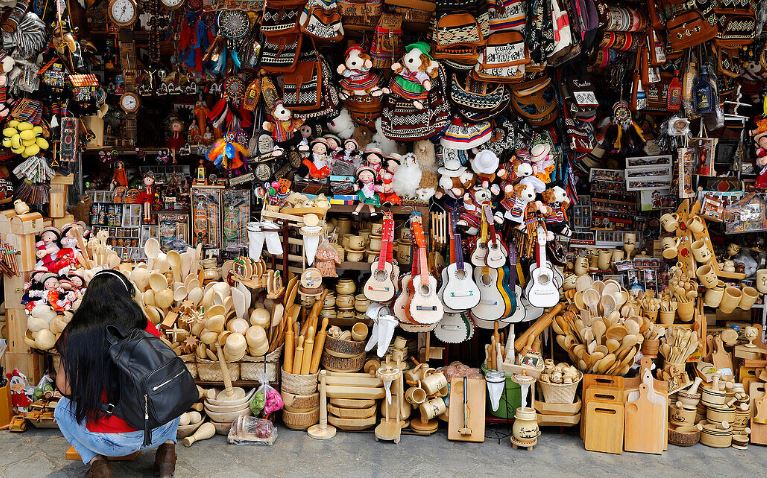
No Cuenca Ecuador travel guide is complete without sampling local markets and handicrafts. Cuenca’s artisan culture is world-famous, especially for its Panama hats (though produced in other regions like Montecristi), straw crafts, ceramics, textiles, jewelry, and traditional clothing. Local markets such as Mercado 10 de Agosto or San Francisco Market offer fresh produce, Andean grains, colorful fabrics, and handcrafted souvenirs. Exploring these stalls not only offers shopping opportunities but also a window into Indigenous and mestizo traditions still alive.
5. Culinary Experiences in the Historic Center
Food in Cuenca combines highland flavors, fresh ingredients, and influences from colonial and indigenous cuisines. Must-tries include:
- Mote Pillo – a breakfast dish made with hominy corn, eggs, onion, and spices.
- Locro – hearty potato soup often enriched with cheese or avocado.
- Cuy (guinea pig) – a traditional dish for special occasions.
- Fresh fruit juices, local cheeses, and street snacks—do sample from vendors near plazas or by the riverbanks.
For a refined meal, there are excellent restaurants in restored colonial houses; for casual fare, cafés overlooking plazas and river views are ideal. Cuenca’s ambiance at twilight—soft light on stone facades, warm lanterns in windows—makes dinner especially memorable.
6. Festivals, Traditions, and Cultural Rhythms
Cuenca’s culture pulses through its calendar. Annual celebrations such as Independence Day and Corpus Christi bring processions, music, and dance into the streets. Local traditions include indigenous ceremonies, artisan fairs, religious rites, and the continued presence of “chola” women—regarded as cultural icons—dressed in traditional polleras and bowler hats, selling flowers or herbs, or serving as keepers of family herbal knowledge. These rhythms connect past and present in the daily life of the city.
7. Practical Travel Tips
To make the most of your visit, keep these tips in mind:
- When to Visit: The best time is between June and September when the weather is dry and sunny. December–February sees more rain.
- Getting Around: The Historic Center is very walkable. Use taxis or micros for longer stretches. Guided walking tours help to reveal hidden histories and tales behind facades.
- Safety & Etiquette: Cuenca is considered one of the safer major cities in Ecuador, but usual city awareness applies—watch belongings in crowded plazas, respect local customs, dress modestly in religious sites.
- Altitude: At ~2,550m, some travelers may feel mild effects (breathlessness, sunburn). Stay hydrated and acclimatize gently.
8. Beyond the Historic Center
While the historic core is magnetic, nearby natural and cultural landscapes await discovery. Cajas National Park lies not far to the west with high-altitude lakes, páramo landscapes, and trekking trails. The rivers cutting through the city—Tomebamba, Yanuncay, Machangara, and Tarqui—are scenic, especially walking along the “El Barranco” neighborhood, where steep, colorfully painted houses cascade down riverbanks with stunning viewpoints. These contrasting scenes of nature and architecture enrich a full Cuenca Ecuador travel guide.
Conclusion
From soaring cathedrals and colonial squares to colorful markets, rich museums, and time-honored traditions, Cuenca’s Historic Center invites travelers to immerse themselves in culture. If you seek a destination that blends history, art, cuisine, and vibrant local life, this place delivers. In sum, this Cuenca Ecuador travel guide should inspire you to wander its streets, taste its flavors, and feel its rhythms.
You Might Also Like: Best Places to Visit in Ecuador
External sources:
For more scholarly or detailed historical context, see the UNESCO listing for Historic Centre of Santa Ana de los Ríos de Cuenca and the page on Museo Pumapungo, which details its archaeological and ethnographic heritage.