Wondering about the best time to visit patagonia without getting crushed by peak-season crowds or unpredictable trail closures? Patagonia is huge, windswept, and wildly diverse—spanning southern Chile and Argentina—so the “right” time depends on what you want most: long hiking days, iconic wildlife moments, better prices, or a quieter experience on famous routes.
This guide breaks down Patagonia’s seasons in plain English, then goes month-by-month so you can match your priorities (hiking, wildlife, and fewer crowds) to realistic conditions. You’ll also find planning tips, packing essentials, and sample itineraries to help you lock in dates with confidence.
Patagonia in One Minute: The Quick Pick
If you want the shortest answer, here it is: most travelers find the sweet spot in the shoulder seasons—October–November and March—when trails are generally accessible, daylight is generous, and the vibe is calmer than the January–February peak. Summer (December–February) brings the warmest days and maximum services, while winter (June–August) is quiet, cold, and best for niche trips like snow sports or photography-focused road adventures.
- Best overall balance (hiking + fewer crowds): October, November, and March
- Best for warmest weather and full services: January and February
- Best for budget deals (with trade-offs): late March and April
- Best for solitude and winter scenery: June–August (limited trekking options)
Why Timing Matters More in Patagonia Than Almost Anywhere
Patagonia is famous for dramatic, fast-changing conditions. The same day can deliver bluebird skies, sideways rain, and gusts that make you laugh out loud. Because the region sits far south, seasonal daylight swings are big—meaning your hiking “window” changes a lot depending on the month. On top of that, popular parks can feel like a small city in peak summer, but surprisingly peaceful in shoulder months.
One more twist: Patagonia isn’t one single climate. Chilean Patagonia tends to be wetter (especially on the western side), while parts of Argentine Patagonia are drier and more steppe-like. That’s why choosing dates by “country” alone can be misleading—your itinerary matters just as much as the calendar.
Best Time to Visit Patagonia by Season
Below is a realistic seasonal overview, with the trade-offs that travelers actually feel on the ground.
Spring (October–November): Fresh Trails and Breathing Room
Spring is when Patagonia starts waking up. Many services reopen, days lengthen quickly, and the landscapes look freshly rinsed—especially around lakes, forests, and glacier-fed valleys. For many hikers, this is the best time to visit patagonia if you want famous viewpoints without the thickest crowds.
What to expect: variable temperatures, occasional snow lingering at higher elevations, and windy days that can still be intense. You’ll want flexible layers and a backup day for big treks.
Summer (December–February): Peak Access, Peak Crowds
Summer delivers the most reliable access to classic routes, plus the warmest days and longest daylight. If you’re aiming for multi-day treks, hut-to-hut routes, or guided adventures with a fixed schedule, summer is often the simplest choice. The downside: this is when Patagonia is busiest, and prices spike.
What to expect: full accommodations (book early), more buses and tours, and packed trailheads in the most famous parks. Wind can still be fierce—Patagonia doesn’t “turn off” its personality in summer.
Autumn (March–April): Golden Light and Quieter Parks
Autumn is the season of crisp mornings, golden forests, and fewer people. March can feel like a calmer version of summer—excellent for hiking with less logistical stress. April leans cooler and quieter, with a growing chance of early snow in mountainous areas.
What to expect: shorter days, chillier nights, and some lodges beginning to close as you move deeper into April. For photographers, the light and color can be spectacular.
Winter (May–September): Silent Roads and Limited Trekking
Winter is the off-season for classic trekking in many Patagonian parks. Some areas remain accessible, but conditions become more specialized: snow, ice, reduced transportation, and fewer open accommodations. If you’re comfortable with winter travel—or you’re hiring a guide—this can be rewarding for solitude and stark landscapes.
What to expect: cold temperatures, short daylight, and a need for flexibility. It’s not the typical time for first-time hikers, but it can be magical for the right traveler.
Month-by-Month Patagonia Planner
Use this month-by-month breakdown to match your goals to realistic conditions. Think of it as a menu: you’re choosing trade-offs, not perfection.
| Month | Hiking Conditions | Crowds | Wildlife Highlights |
|---|---|---|---|
| October | Trails reopening; variable weather | Low–Moderate | Great general viewing; fewer people |
| November | Longer days; strong hiking month | Moderate | Birdlife active; vibrant landscapes |
| December | Excellent access; warmest stretch begins | High | Active season for many species |
| January | Prime trekking; most services open | Very High | Consistent opportunities across regions |
| February | Still prime; slightly less busy late month | High | Strong wildlife viewing continues |
| March | One of the best mixes of weather + space | Moderate | Great all-around; calmer trails |
| April | Cooler; increasing chance of snow | Low | Fewer tours, more solitude |
| May | Shoulder-to-winter transition | Very Low | Quiet viewing, but limited logistics |
| June–August | Winter conditions; specialized trekking | Very Low | Moody landscapes; fewer visitors |
| September | Early spring; reopening begins | Low | Nice for planning before peak |
October: The Early-Season Sweet Spot
October is for travelers who want Patagonia to feel big and quiet. Some trails can still have lingering snow at higher elevations, but many iconic day hikes are already possible. Expect more wind, plus occasional “four seasons in one day” weather. If you can keep one or two buffer days in your itinerary, October can be incredibly satisfying.
November: Longer Days, Better Rhythm
November adds daylight and a steadier travel rhythm. Shuttle schedules expand, more lodging opens, and hiking options broaden. If your main goal is trekking without the densest crowds, November often hits the mark—especially in the first half of the month.
December: Summer Starts, Reservations Matter
December is when the region shifts into full summer mode. Trails are busy, popular campsites book out early, and prices climb. The upside is convenience: more tours, more transport options, and higher odds that your “must-do” hike is accessible without winter gear.
January: The Busiest and Most Predictable Month
January is Patagonia’s high season. It’s also when families travel and when local holidays can add extra demand. If you need maximum services—guided treks, gear rentals, daily shuttles—January is easiest. The trade-off is the crowd factor: classic viewpoints can feel like a procession, especially in the late morning.
February: Similar to January, With a Quieter Finish
February stays warm and hike-friendly. Late February can be slightly calmer as peak holiday periods pass, which makes it a good compromise for travelers who want summer access but can’t stand the absolute busiest weeks.
March: My Favorite “Best of Both Worlds” Month
March is often a standout for people who want an experience that feels adventurous but not chaotic. Temperatures can be comfortable, the light is flattering, and trails are less crowded. If someone asks for the best time to visit patagonia for hiking and fewer crowds, March is one of the strongest answers—especially if you’re okay with cooler evenings.
April: Autumn Colors and Serious Quiet
April is photogenic and peaceful. Forested areas can glow with autumn color, and you’ll rarely feel rushed. The caution is weather volatility: colder snaps arrive, and higher routes may require more planning. If your trip depends on a specific multi-day trek, April is better with a guide or a flexible Plan B.
May to September: Winter, for the Right Traveler
Between May and September, trekking infrastructure is reduced in many areas. Some trails are still possible, but you’ll need to think like a winter traveler: traction, insulation, and conservative decision-making. If you want to see Patagonia’s iconic landmarks in a quieter, moodier season—and you’re comfortable with fewer open cafes and lodges—this period can feel deeply special.
Where You’re Going Matters: Key Patagonia Regions and Their Timing
Patagonia isn’t a single park—it’s a whole region with different microclimates. A smart strategy is to decide your “anchor” destinations first, then choose your dates around them.
Torres del Paine (Chile)

Torres del Paine National Park is Patagonia’s superstar for day hikes and multi-day circuits. Peak access is December–February, but October–November and March can be excellent if you pack for wind and mixed conditions. If you want fewer crowds on the classic viewpoints, aim for early-season spring or post-peak March, and start hiking at sunrise.
El Chaltén and Los Glaciares (Argentina)
El Chaltén is a hiking town with a big payoff. Summer offers the most predictable trails, but shoulder months can still deliver fantastic trekking with fewer people. In autumn, you’ll trade crowd-free trails for shorter daylight and a higher chance of sudden weather changes.
Bariloche and the Lake District (Argentina)
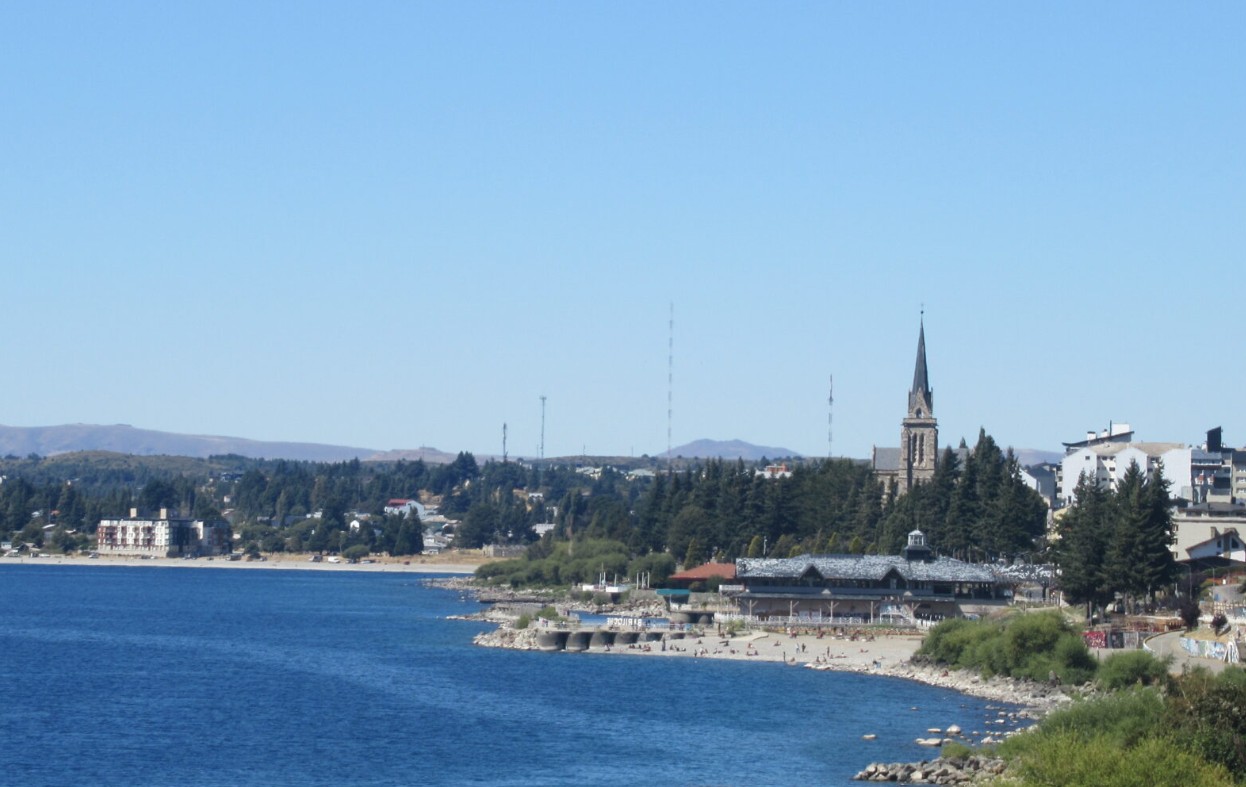
If you’re combining Patagonia with lakes, forests, and easier logistics, the Lake District can be a great early-spring or late-summer addition. Shoulder season here can feel gentler than in the far south, though the weather is still dynamic.
Tierra del Fuego and Ushuaia (Argentina)
Often called the “end of the world,” this area is best for summer and early autumn if hiking is your main focus. Winter can be beautiful but more specialized, with snow activities replacing classic trekking.
Wildlife-Focused Patagonia (Coasts and Steppe)
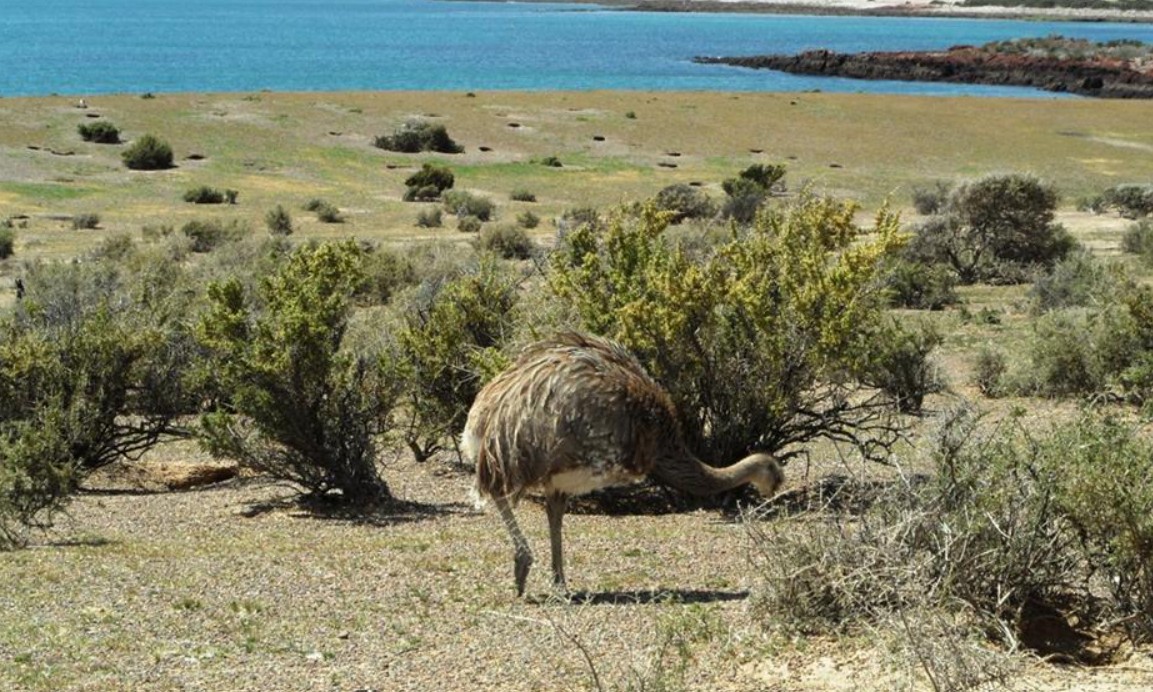
Wildlife “Patagonia” is not only mountains. Coastal and steppe regions can offer incredible viewing—think seabirds, marine life, and wide-open landscapes. If wildlife is the primary goal, timing can be different from peak hiking months, so it’s worth planning this part intentionally.
Wildlife Timing: What You Might See and When
Patagonia’s wildlife isn’t guaranteed (this is a good thing—wild places stay wild), but timing improves your odds. The general wildlife season aligns with warmer months, though coastal species follow their own rhythms. When planning, consider adding a guided day that’s built around wildlife tracking or marine viewing.
- Guanacos, foxes, condors: common across many months, especially in open landscapes
- Puma tracking: best with expert guides and ethical practices; sightings vary by location and luck
- Penguins: generally easiest in warmer months when colonies are active, depending on the specific site
- Whales and marine life: often seasonal and location-dependent; coastal Patagonia can be a separate trip “chapter.”
For geographic context, remember that Patagonia covers a vast area. You can spend two weeks here and still only sample a slice. If your dream is both mountain trekking and marine wildlife, you may need to connect destinations with flights to protect your time.
How to Avoid Crowds Without Sacrificing the Classics
“Fewer crowds” isn’t only about which month you choose. It’s also about how you schedule your days. Patagonia rewards early starts and smart sequencing.
- Hike at sunrise: You’ll get calmer trails, softer light, and better chances to spot wildlife.
- Stay inside or near parks: Overnighting near trailheads helps you beat day-trippers.
- Choose shoulder season: October–November and March are often the crowd sweet spot.
- Pick a “B-list” day hike: Mix one famous trek with one quieter route each day.
- Travel midweek: Weekends and holidays can intensify congestion.
If your priority is the best time to visit patagonia for fewer crowds, combine shoulder-season dates with sunrise hiking. That pairing often feels like you’ve “hacked” the region without missing the highlights.
What to Pack for Patagonia Weather
Patagonia packing is about systems, not single items. The goal is to stay warm and dry while handling wind that can feel relentless.
- Base layers: moisture-wicking tops and leggings (avoid heavy cotton)
- Mid-layers: fleece or light insulated jacket for warmth while moving
- Shell layers: waterproof/windproof jacket and pants
- Footwear: broken-in hiking boots; bring blister care no matter what
- Accessories: gloves, beanie, sun protection, and a buff for wind
- Daypack essentials: water, snacks, a headlamp, and a simple first-aid kit
A good rule: pack for “colder than you hope,” especially in shoulder seasons. A calm morning can become a stormy afternoon. When you’re prepared, those swings become part of the fun—not a trip-ruiner.
Permits, Reservations, and Logistics That Affect Timing
In peak months, Patagonia is less about “showing up” and more about “showing up prepared.” Multi-day treks may require booking campsites or refugios, and popular hotels can sell out far in advance.
- Book early for December–February, especially for multi-day routes
- Build in weather buffer days: a spare day can save a signature hike
- Plan transport connections: distances are huge; don’t underestimate travel days
- Consider local flights: they can protect your itinerary when time is tight
Shoulder season is often easier on your wallet and your patience, but it can require more flexibility. If you have fixed dates and only one shot at a specific trek, summer can still be the safer pick.
Sample Itineraries Based on Your Priorities
7 Days: The Classic Highlights (Best in November–March)
- Days 1–2: Arrive, gear check, short acclimation hike
- Days 3–5: Two big hikes with a buffer day for weather
- Days 6–7: Scenic drive, waterfall/lake walk, depart
10 Days: Hiking + Wildlife Add-On (Best in October–March)
- Days 1–6: Trek-focused base (day hikes + one longer route)
- Days 7–9: Wildlife-oriented day trips with an ethical guide
- Day 10: Flex day + departure
14 Days: Chile + Argentina Combo (Best in November–March)
- Week 1: Chilean Patagonia trekking base
- Week 2: Argentine hiking town + glacier viewpoints
These itineraries are intentionally flexible. Patagonia is the kind of place where your best day might be the one you didn’t plan—when the clouds break at the perfect moment, or a trail suddenly feels like it belongs only to you.
Common Mistakes When Choosing Dates
- Underestimating wind: It can affect ferry crossings, viewpoints, and comfort on exposed ridgelines.
- Overpacking the itinerary: Big distances + weather delays can turn a dream trip into a sprint.
- Assuming “summer = easy”: Even in January, the weather can surprise you.
- Skipping reservations: Peak season logistics can collapse without bookings.
- Forgetting shoulder-season closures: Some services reduce schedules outside summer.
FAQ
Is Patagonia worth visiting in the shoulder season?
Yes—often that’s when Patagonia feels most magical. You’ll get more space on trails, better availability, and a calmer mood in towns. The main trade-off is weather variability, so bring layers and build in flexibility.
What is the cheapest month to visit Patagonia?
Late March and April can be more affordable than peak summer, especially for lodging. You may also find better deals in winter, but you’ll face bigger limitations on trekking and transportation.
Do I need a guide to hike in Patagonia?
Many classic day hikes are doable without a guide if you’re prepared and follow local regulations. For winter travel, technical routes, or wildlife tracking, a reputable guide can add safety and depth—and help ensure ethical practices.
How many days do I need?
For a first trip, 7–10 days can cover a highlight region with time for weather buffers. If you want to combine Chile and Argentina, 12–14 days is a more comfortable pace.
You Might Also Like: South America Travel Guide for First-Timers: Routes, Costs, and Safety Basics
Final Thoughts: Choosing Your Patagonia Dates
There isn’t a single perfect month that fits everyone, but you can absolutely choose the right window for your trip. If your priority is hiking with breathing room, October–November and March are tough to beat. If you need the warmest days and the simplest logistics, lean into January or February and book early. Either way, Patagonia rewards preparation, patience, and a little weather humility.
And if you’re still deciding the best time to visit patagonia, remember this: pick dates that give you flexibility—then build your days around sunrise starts and buffer time. That’s how you get epic trails, memorable wildlife moments, and the kind of quiet that makes Patagonia feel truly vast.