Traveling across Chile can be an incredible adventure — from the bustling metropolitan streets of Santiago to the tranquil fjords of Patagonia, and the laid‑back coastal vibes of Valparaíso. But if you want to see as much of Chile as possible without blasting your budget, having the right transport strategy is key. In this guide, we’ll walk you through the best cheap transport options and smart travel tips so you can make the most out of your Chile journey — without overspending. These transport budget Chile travel tips will help you get around efficiently and economically.
Why Transport Matters in Chile
Chile is a long, narrow country stretching over 4,300 km from north to south, which makes travel distances between regions significant, and transport costs potentially high. Lonely Planet calls buses “the most popular way to get around Chile for locals and travelers on a budget.” Meanwhile, other sources describe how mixing modes — buses, metro, flights, ferries — can give you flexibility, speed, or savings depending on your itinerary.
Budget Options for Getting Around Chile
1. Long‑Distance Buses — The Budget Traveler’s Backbone
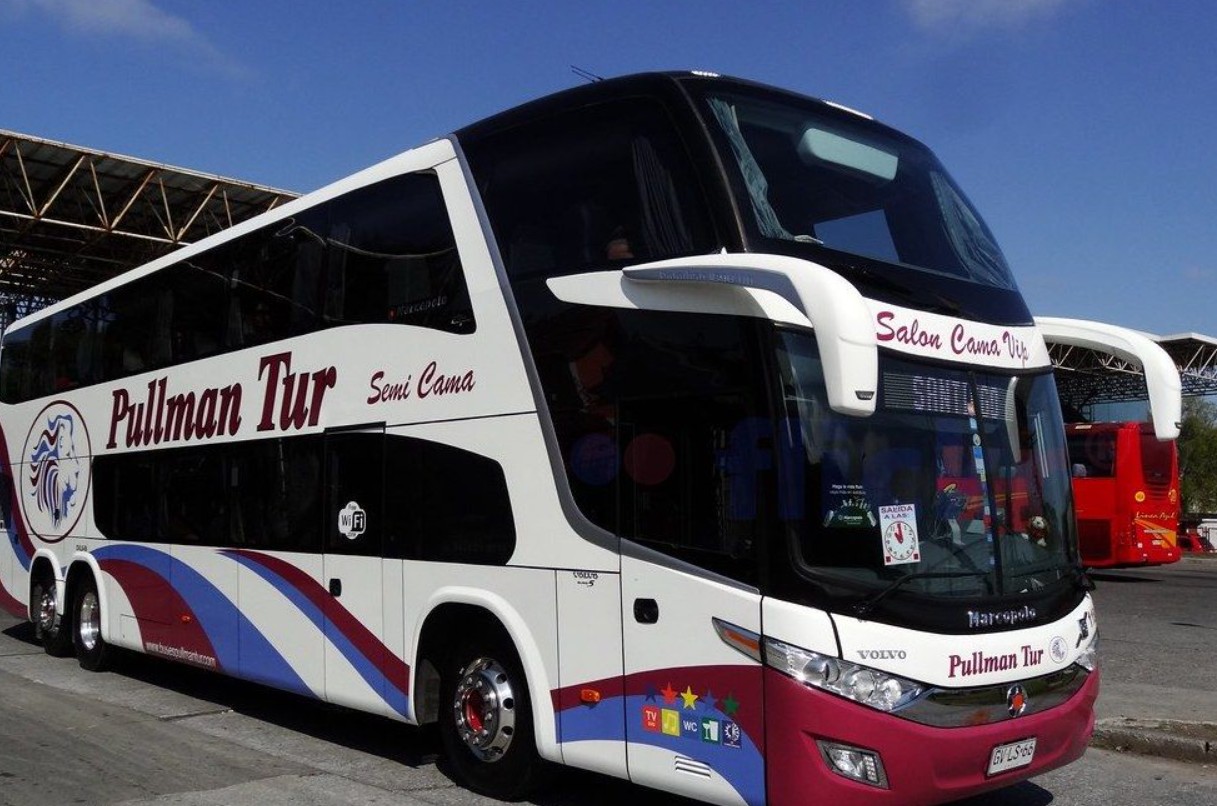
For many budget travelers, long‑distance buses are the backbone of travel in Chile. Big companies like Turbus or Pullman Bus dominate the inter‑city bus market.
- A typical medium‑distance ride (for example, a few hours between cities) can be quite affordable. In some cases, a round‑trip between major cities can cost as little as US$6 (or equivalent in Chilean pesos).
- For longer stretches — e.g., traveling between regions — the buses are often “semi‑cama” (semi‑reclining) or “salon‑cama” (more comfortable, almost sleeper‑bus quality), giving you a level of comfort comparable to budget flights.
- Booking bus tickets in advance often helps to secure the lowest fares and avoid the hassle of last‑minute price hikes — especially for overnight or long‑distance rides.
Thus, if you’re not in a hurry and have time, buses are almost always the most cost‑effective way to see Chile — and they cover nearly the entire country.
2. Urban Transport: Metro, Public Buses & Shared Transport
When you’re in cities — especially Santiago — public transportation is efficient, well‑connected, and cheap. According to a recent overview, Chile offers “metro systems, buses, ride‑hailing apps, taxis, domestic flights” as transport options.
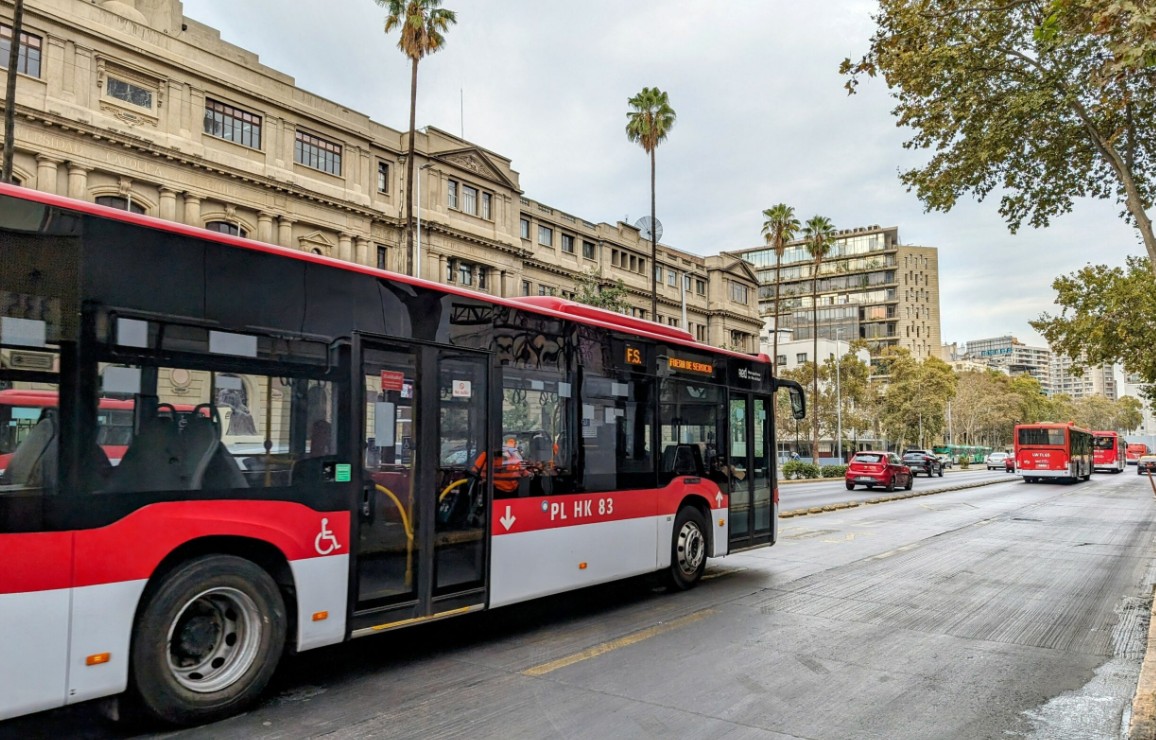
In Santiago, the metro is operated by Metro de Santiago as part of the integrated public transport network Red Metropolitana de Movilidad. With a pre‑paid card (like the “BIP!” card), you can take metro‑bus or bus‑metro transfers within a certain time window, often saving money compared to single fares.
Using public transport inside cities (metro, micro‑buses, colectivos/shared taxis) is highly recommended if you want to stay on a shoestring. It’s cheap, generally safe, and far more economical than private taxis for daily commuting.
3. Domestic Flights — When Time is Tight (But Watch the Budget)
Because Chile stretches so far, sometimes traveling by bus—even at night—can take a full day or more. In those cases, domestic flights can save you days of travel time.

However, flights tend to be more expensive compared to buses. For budget‑conscious travel, flights make sense only when you truly need to save time or cover very long distances — for example, when traveling from northern deserts to southern Patagonia in a tight schedule.
4. Ferries, Car Rentals, or Cars — For Remote / Scenic Routes
In southern Chile, especially in areas with many islands or fjords, ferry services can be part of the journey. Although slower, they sometimes offer scenic and practical alternatives where roads or overland transport aren’t feasible.

If you value flexibility (for example, exploring remote areas, national parks, or traveling off the beaten path), renting a car might make sense. But for a budget‑focused backpacker, this is rarely the most cost‑efficient choice — especially considering fuel, tolls, parking, and long distances.
Smart Tips to Maximize Your Transport Budget in Chile
📌 Book Ahead Whenever Possible
Whether it’s a long‑distance bus ticket or a flight, booking ahead gives you access to cheaper rates and helps avoid last‑minute price spikes. This is especially handy during high season or for popular routes.
📌 Use City Public Transport Instead of Taxis
In major cities like Santiago or coastal towns like Valparaíso, skip taxis when possible. Use metro, public buses, or shared taxis (colectivos) for an affordable, reliable experience.
📌 Consider Mixing Transport Modes
For an optimal balance between cost and convenience, mix buses for overland trips, flights for long distances when pressed for time, and local transport within cities. Ferries or car rentals can be considered only if you venture off the main routes. This hybrid approach is often recommended in Chile travel guides.
📌 Travel Slowly — The Long‑Distance Bus Approach
If you have a flexible itinerary, travelling slowly by bus lets you see much more of the country for less money. Instead of rushing from one site to another, embrace overnight journeys, give yourself time, and enjoy the ride. Many backpackers spend around US$50–70/day when combining budget accommodation, public transport, and local meals.
Sample Budget Itinerary: 2‑Week Route on a Budget
Here’s an example of how you could travel for 14 days across various parts of Chile, staying budget‑conscious but still seeing a lot:
- Days 1–3: Santiago — Use the metro & city buses to explore the capital. Stay in a hostel or budget hotel, walk or use public transport around the city.
- Days 4–5: Valparaíso / Viña del Mar — Take a bus from Santiago (cheap, frequent). Use local buses/funiculars in Valparaíso.
- Days 6–8: Northern section (e.g., Atacama Desert) — Fly or take an overnight bus if you have time; budget flights can save time.
- Days 9–11: Central or lake districts — Use inter‑city buses to travel between cities; stay in hostels or budget guesthouses.
- Days 12–14: Patagonia / South (if time allows) — Use long‑distance buses or flights; if heading to islands or remote zones, consider ferries or mixed transport (bus + ferry).
This kind of itinerary — relying mostly on buses and local transport — allows you to explore a broad swath of Chile without overspending. It also gives flexibility to change plans, linger in places you like, and enjoy spontaneous detours.
You Might Also Like: The Best Seaside Eateries in Valparaiso, Chile
Final Thoughts: Why These Transport Budget Chile Travel Tips Matter
Planning transport wisely can make the difference between an expensive whirlwind trip and a budget‑friendly adventure full of experience. By relying on buses, city public transport, mixing transport modes when needed, and traveling slowly, you can stretch your budget while still seeing the best of Chile. Whether you’re wandering through Santiago’s vibrant neighborhoods, adventuring in remote Patagonia, or soaking up coastal vibes in Valparaíso, these transport budget Chile travel tips will help you travel smart.
You save money, time, and get flexible — and that makes your Chile journey far more enjoyable.