Choosing the right base in South America can feel overwhelming: every city claims fast Wi-Fi, low prices, and “good vibes.” The truth is more nuanced. A place that’s perfect for a backpacking week might be frustrating for remote work, while a “cheap” city can become expensive once you factor in safe neighborhoods, reliable internet, and a comfortable routine.
This guide breaks down the best south america digital nomad destinations through three practical lenses—internet reliability, safety, and cost of living—so you can pick a city that matches your work style and risk tolerance. Along the way, you’ll get neighborhood-level tips, realistic monthly budgets, and the small details that make day-to-day nomad life smoother.
Quick note on terminology: a digital nomad is simply someone who works remotely while moving between locations. And when we say South America, we’re referring to the continent-wide mix of cultures, climates, and infrastructure—meaning your experience can vary dramatically from one city to another.
How We Ranked Each City: Internet, Safety, Cost
Rather than picking places based on social media hype, we used a simple, repeatable checklist. You can apply it to any city you’re considering.
1) Internet you can trust (not just “fast on paper”)
Nomads need more than a high advertised speed. The real test is consistency: stable video calls, low dropouts, and backup options when your apartment router fails. We considered fiber availability, coworking density, and how easy it is to buy a local SIM with generous data.
2) Safety that fits your lifestyle
Safety is contextual. Some travelers are fine staying in lively areas and taking rideshares at night; others want quiet residential streets. We focus on practical habits—neighborhood choice, late-night transportation, common scams—because “safe vs unsafe” is too blunt to be useful.
3) Total cost of living, not just rent
Monthly budgets depend on your standards. We estimate a comfortable nomad lifestyle: a private studio in a decent area, coworking a few days per week, rideshares as needed, and a mix of local meals plus occasional Western comforts.
The Best Cities for Remote Work in South America
If you’re trying to balance productivity with quality of life, the cities below consistently perform well for remote workers. Each section includes internet reality checks, safety notes, and what you can expect to spend.
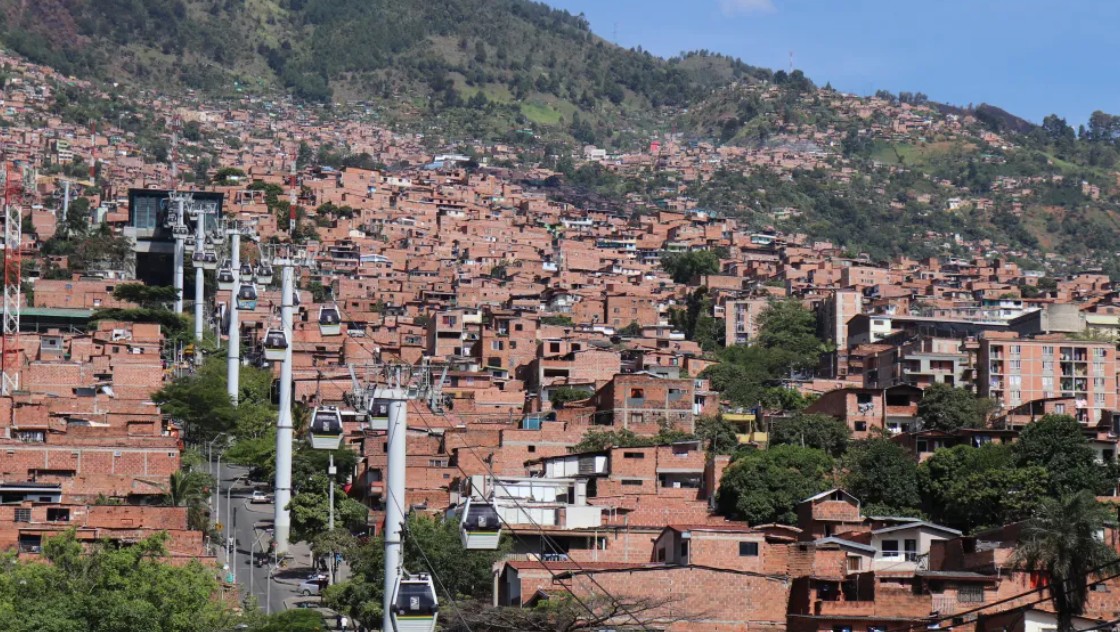
1) Medellín, Colombia: Coworking Culture + Spring Weather
Medellín remains one of the most talked-about bases for remote work, and for good reasons: abundant coworking spaces, pleasant climate, and a strong apartment market that caters to short-term stays. It also has a learning curve—especially around neighborhood choice and nightlife-related risk.
Internet
Fiber is common in popular areas like El Poblado and Laureles. Most nomads can run meetings without issues, but always test speed on arrival and keep a backup mobile hotspot.
Safety
Stick to well-lit routes, avoid flashing expensive gear, and be extra cautious with dating and nightlife. In Medellín, your routine matters more than the headline reputation.
Cost of living
- Comfortable monthly budget: USD 1,400–2,200
- Best areas to base: Laureles (walkable), El Poblado (convenient but pricier)
- Nomad tip: Choose an apartment with doorman/security if you’re staying longer than a couple of weeks.
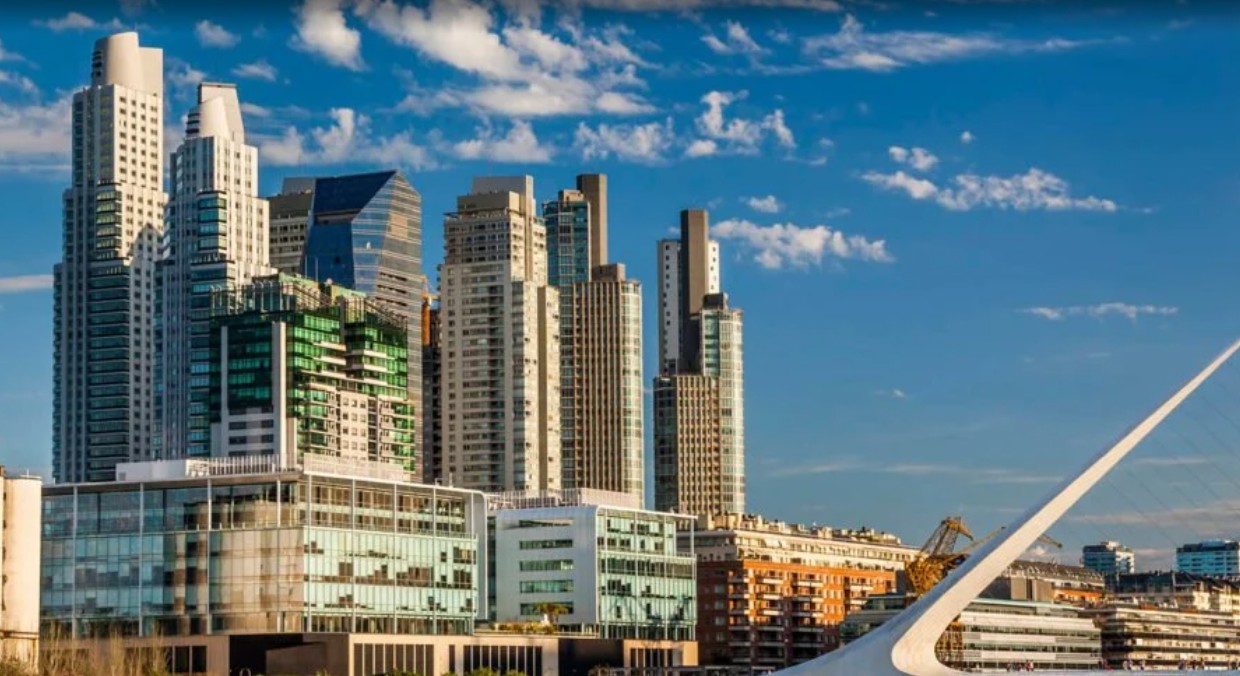
2) Buenos Aires, Argentina: Big-City Energy on a Lean Budget
Buenos Aires is one of the most “European-feeling” cities in the region, with endless cafes, late dinners, and a strong creative scene. For many, it’s the best place to stay productive while enjoying a major-city lifestyle—especially if you manage currency exchange smartly.
Internet
Most central neighborhoods have decent home internet, and coworking options keep expanding. Upload speeds can vary building to building, so confirm with the host before booking.
Safety
Petty theft is the main issue. Use rideshares late, keep your phone away near busy intersections, and avoid displaying laptops in crowded spaces when moving between cafes.
Cost of living
- Comfortable monthly budget: USD 1,200–2,000
- Best areas to base: Palermo (cafes), Recoleta (quieter), Villa Crespo (value)
- Nomad tip: If your work depends on uptime, spend a few days testing your neighborhood before committing to a long rental.
3) Santiago, Chile: Reliable Infrastructure for Serious Work Weeks
Santiago doesn’t always top “most fun” lists, but it shines when you prioritize stability. Chile’s infrastructure is strong by regional standards, and Santiago’s coworking and cafe options make it easy to build a routine. The trade-off is a higher cost of living than many neighbors.
Internet
Generally dependable, with fiber in many areas. Good choice if you need consistent video calls and don’t want to troubleshoot daily.
Safety
Like any big city, it varies by area. Stay in well-connected neighborhoods and use common-sense precautions on public transport during peak hours.
Cost of living
- Comfortable monthly budget: USD 1,700–2,700
- Best areas to base: Providencia, Las Condes, Ñuñoa
- Nomad tip: Consider Santiago as a “work sprint” city, then travel elsewhere for cheaper slow months.
4) Montevideo, Uruguay: Safe, Calm, and Underrated
Montevideo is often skipped for flashier capitals, yet it’s one of the easiest places to settle into a low-stress routine. It’s quieter, generally feels safer, and the coastal rambla lifestyle is ideal if you want balance over nightlife.

Internet
Uruguay is known for decent connectivity. In Montevideo, most modern apartments handle remote work well, and cafes are comfortable for a few hours.
Safety
Compared to many large cities, Montevideo tends to feel more relaxed. Still, keep normal urban awareness—especially around terminals and late-night quiet streets.
Cost of living
- Comfortable monthly budget: USD 1,800–3,000
- Best areas to base: Pocitos, Punta Carretas, Centro (for transit)
- Nomad tip: If you value peace and predictability, Montevideo can be a long-term anchor.
5) Lima, Peru: Coastal Convenience and Strong Food Scene
Lima is an excellent “logistics city.” Flights connect well, neighborhoods like Miraflores make daily life easy, and the food scene is a genuine highlight. The weather is mild but often cloudy; some love it for focus, others prefer sunnier climates.
Internet
Solid in modern neighborhoods and new buildings. Like everywhere, it’s worth confirming speeds with your host, especially in older apartments.
Safety
Miraflores and Barranco are the usual safe picks for first-timers. Use rideshares at night and pay attention to your phone near busy streets.
Cost of living
- Comfortable monthly budget: USD 1,400–2,400
- Best areas to base: Miraflores, Barranco, San Isidro
- Nomad tip: Try Lima for a month if you want a stable base to explore Peru on weekends.
6) Florianópolis, Brazil: Beach Life Without Sacrificing Work
If your ideal day includes a morning call and an afternoon swim, Florianópolis is a strong contender. It’s popular with Brazilians and international remote workers alike, especially during warmer months. The island vibe helps you slow down—without fully disconnecting from productivity.
Internet
Connectivity can vary by neighborhood, with better reliability in more developed areas. Many coworking spaces cater to remote workers and offer stable backup when home Wi-Fi fluctuates.
Safety
Generally calmer than mega-cities, though safety still changes by area and season. Choose accommodation with good reviews and avoid isolated beaches after dark.
Cost of living
- Comfortable monthly budget: USD 1,500–2,700
- Best areas to base: Lagoa da Conceição, Campeche, Centro (for transit)
- Nomad tip: Book early in high season—prices rise fast when locals vacation.
7) Bogotá, Colombia: High-Altitude Hustle with Great Value
Bogotá is a “real city” in the best sense: big, busy, full of ambitious people, and packed with cafes where remote work feels normal. It’s less polished than some capitals, but it’s often a better fit if you enjoy structure, museums, and a strong professional energy.
Internet
Most nomad-friendly neighborhoods have dependable connections and plenty of coworking. Because the city is huge, your experience depends heavily on where you stay.
Safety
Daytime is usually fine in central areas, but avoid wandering at night without a plan. Rideshares are your friend, and pick housing in well-reviewed districts.
Cost of living
- Comfortable monthly budget: USD 1,300–2,200
- Best areas to base: Chapinero, Zona G, Usaquén
- Nomad tip: Bring layers—Bogotá’s cool climate surprises many first-time visitors.
8) Quito, Ecuador: Scenic, Affordable, and Great for Slow Living
Quito offers a unique mix: dramatic mountain views, a historic center, and an affordable lifestyle. While it’s not as “plug-and-play” as some larger hubs, it’s appealing for nomads who want quiet routines, nature escapes, and lower monthly costs.
Internet
Decent in modern apartments, with coworking options growing. Plan for occasional hiccups and have a mobile data backup if your work is meeting-heavy.
Safety
As with many capitals, safety varies by neighborhood. Choose accommodation in areas known for expats and avoid empty streets late at night.
Cost of living
- Comfortable monthly budget: USD 1,100–1,900
- Best areas to base: La Carolina, González Suárez, Cumbayá (quieter)
- Nomad tip: Quito works well as a base for weekend trips to the Andes and Amazon regions.
City Comparison: Fast Decision Shortcuts
If you don’t want to overthink it, use these quick pairings to match your priorities:
- Most stable for nonstop meetings: Santiago, Montevideo
- Best cafe-and-coworking culture: Medellín, Buenos Aires, Bogotá
- Best for beach + work balance: Florianópolis, Lima (coastal neighborhoods)
- Best for tight budgets: Quito, Buenos Aires (with smart planning)
- Best for low-stress routines: Montevideo, parts of Lima
Practical Tips to Make Any City Work
Even the best south america digital nomad destinations can feel difficult if you arrive unprepared. These habits reduce friction almost everywhere in the region.
Bring a “redundant internet” mindset
Book accommodation with verified Wi-Fi reviews, but assume it can fail. Keep a local SIM with generous data, learn where the nearest coworking space is, and know at least one cafe with reliable service.
Choose your neighborhood before you choose your city
Many safety and comfort issues come down to micro-areas. Spend your first week in a well-known district, then explore options once you understand the city’s rhythm.
Build a routine early
Remote work improves when your days have structure: a consistent workspace, predictable meals, and a few “default” activities. You’ll also spend less mental energy deciding what to do every hour.
Budget for comfort, not just survival
Nomad burnout often comes from cutting costs too aggressively—staying in loud neighborhoods, skipping coworking, and dealing with unreliable housing. A slightly higher budget can buy consistency, which supports better work.
Sample Monthly Budgets (Comfortable Lifestyle)
Below are rough ranges for a comfortable solo nomad lifestyle. Prices fluctuate by season, neighborhood, and exchange rates.
- USD 1,100–1,900: Quito, some parts of Buenos Aires
- USD 1,300–2,400: Bogotá, Medellín, Lima
- USD 1,500–2,700: Florianópolis, Santiago (lower end)
- USD 1,800–3,000+: Montevideo, Santiago (higher end)
FAQ: Choosing South America as a Remote Work Base
Do I need Spanish or Portuguese?
You can get by with English in many nomad hubs, but basic Spanish (or Portuguese in Brazil) dramatically improves your day-to-day ease—especially for apartments, doctors, and local services.
Is coworking necessary?
Not always. If you have stable Wi-Fi and a quiet apartment, coworking can be optional. But it’s useful for backup internet, community, and separating “work mode” from “home mode.”
How long should I stay in each place?
For productivity, one-month stays are a sweet spot. You’ll have time to learn the city, establish routines, and still keep the travel energy that makes nomad life enjoyable.
What about visas?
Visa rules depend on your passport and can change. Always check official government sources before booking long stays, and avoid working in ways that violate local regulations.
Common Travel Pitfalls (and How Nomads Avoid Them)
Most problems in popular south america digital nomad destinations aren’t dramatic—they’re small frictions that add up: noisy apartments, unstable Wi-Fi, surprise fees, or feeling “stuck” in a neighborhood that doesn’t fit you. A few preventative habits can save you time, money, and stress.
Test before you commit. If you’re booking a month or longer, consider reserving your first 3–5 nights in a highly reviewed place. Use that time to walk the area at different hours, check grocery options, and confirm commute times to coworking and cafes.
Verify the work setup. Ask hosts for a recent speed test screenshot, whether the router is inside the unit, and if the building has frequent outages. If your work is meeting-heavy, prioritize a desk and an ergonomic chair—your back will thank you by week two.
Use “boring” transportation at night. In many cities, most issues happen when people improvise late at night. Rideshares or reputable taxis are usually worth the small premium versus walking long distances with a phone out for navigation.
Keep your financial routine simple. Use cards with low foreign transaction fees, withdraw cash in daylight at machines in malls or banks when possible, and separate your daily spending money from your main stash. That way, a small mistake doesn’t become a trip-ending headache.
You Might Also Like: Is South America Safe to Travel? An Honest Country & City Safety Guide for First-Timers
Ultimately, the best south america digital nomad destinations are the ones that support your work, protect your peace of mind, and fit your real budget—not an idealized one. Pick a city where the internet is dependable, choose a neighborhood that matches your comfort level, and give yourself enough time to settle in. With that approach, South America can become not just a travel region, but a place where your remote career genuinely thrives.