If you’ve typed “is south america safe to travel” into Google, you’re not alone. South America can feel like a continent of contrasts: one street is full of cafés and families, the next has a pickpocket looking for an easy opportunity. The honest answer is that safety varies a lot by country, city, neighborhood, time of day, and what you do. This guide is built to help you make smart choices—because when you ask “is south america safe to travel,” you deserve something more useful than vague reassurance or scary headlines.
Think of this as a practical decision tool: what risks are most common, what travelers actually face (and what they usually don’t), and how to reduce your odds of having a bad day. You’ll find country-by-country snapshots, city notes, and specific habits that make a bigger difference than luck.
Quick reality check before we get specific
Before we dive into destinations, set expectations: “is south america safe to travel” is rarely a yes-or-no question. It’s a planning question—about where you’ll go, how you’ll move, and what you’ll carry.
Most trips go smoothly. The most common problems for visitors are non-violent: petty theft, phone snatching, bag slashing, taxi scams, and the occasional “too-friendly” stranger who’s testing your boundaries. Serious violent crime does exist in parts of the continent, but tourists are rarely targeted at random in well-traveled areas when they use basic precautions.
The biggest predictor of whether you’ll feel safe isn’t the continent—it’s your itinerary and your routine. In practice, “is south america safe to travel” becomes: can I design days that keep me in the low-risk lane?
Is South America safe to travel for different types of travelers?
When people ask “is south america safe to travel,” they’re usually asking: “safe for me.” Here’s how the risk profile tends to change.
- Solo travelers: Very doable, especially in popular routes. The key is avoiding isolation—late-night walks alone, remote hikes without partners, and flashy nightlife decisions.
- Women travelers: Street harassment exists in some places, but strategies like choosing well-reviewed neighborhoods, using ride-hailing at night, and dressing in a low-key way help a lot.
- LGBTQ+ travelers: Big cities are often more open than rural areas. Research local norms, and prioritize areas known for tourism and nightlife.
- Families: Families often blend in and are less likely to be targeted, but you’ll want child-friendly transport (car seats, safer crossings, less crowded bus routes) and accommodation with secure access.
- Digital nomads: You may carry more valuables. Build a routine around secure coworking spaces, lockers, and insurance that covers electronics.
is south america safe to travel: what a “safe trip” really means
To answer “is south america safe to travel” honestly, define what “safe” means to you. For many people, it means “I won’t be robbed.” For others, it means “I won’t get stuck,” “I won’t get sick,” or “I won’t feel anxious every day.” A safer trip is one where you reduce exposure to predictable risks and build in buffers when things change.
The risks that actually matter most
1) Theft of phones, wallets, and passports. This is the headline issue in many tourist hubs. It usually happens fast: a distraction, a bump in a crowd, or a phone grab from a café table.
2) Scams around money and transport. Unofficial taxis, inflated exchange rates, “helpful” strangers at ATMs, and fake tours are more common than people expect.
3) Protest activity and road disruptions. Even peaceful protests can change transportation plans quickly. Flexibility is a safety tool.
4) Nature and altitude. In the Andes, altitude sickness and unpredictable weather can be more dangerous than crime. Don’t underestimate this.
Smart habits that reduce your risk anywhere
- Use a “decoy phone” mindset: Don’t flash your primary phone in crowded areas. Step into a shop or stand with your back to a wall if you need maps.
- Separate valuables: Keep a small amount of cash accessible and the rest locked away. Don’t keep your passport, cards, and cash in one place.
- Choose accommodation for location first: A slightly smaller room in a safer neighborhood beats a luxury deal in a sketchy area.
- Pre-book when it’s worth it: Airport transfers, long-distance buses, and popular tours are often safer and less stressful when booked through reputable companies.
- Nighttime rules: In unfamiliar cities, use ride-hailing or trusted taxis after dark rather than walking long distances.
- Trust your “no”: If someone won’t respect boundaries—walk away. You don’t owe politeness when you feel pressured.
Country-by-country safety overview
Safety shifts as you move across the map. The notes below are general patterns, not guarantees. Within every country, there are neighborhoods that feel relaxed and areas where you should be extra cautious.
Argentina (Buenos Aires and beyond)
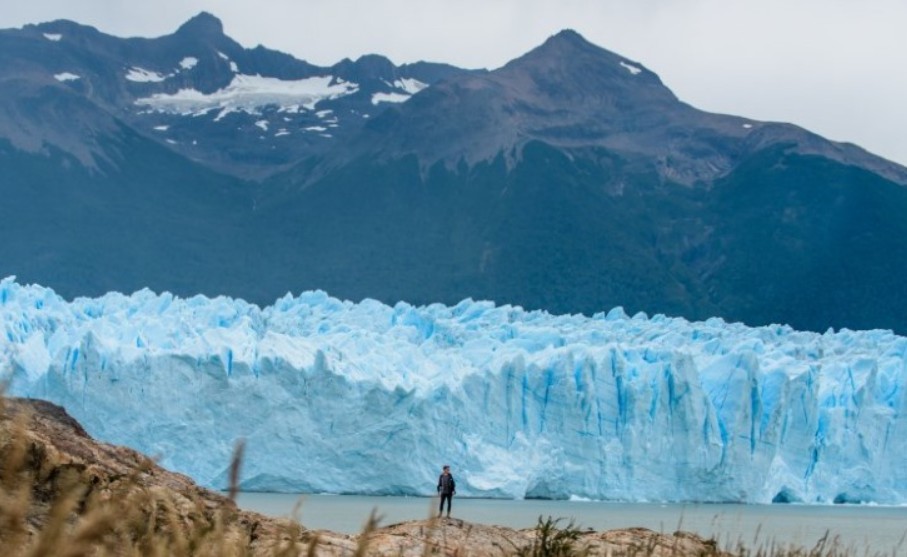
Argentina is often comfortable for visitors, especially in major tourist areas. In Buenos Aires, the main concern is opportunistic theft—phone snatching in busy streets, pickpocketing in crowded transit, and scams aimed at distracted travelers. Stick to well-known neighborhoods, keep bags zipped, and be careful with late-night ATMs.
In smaller cities and wine regions, the vibe can feel calmer, but don’t let your guard drop completely in transport hubs.
Chile (Santiago, Valparaíso, Patagonia)
Chile is frequently seen as one of the easier countries for first-timers, and many travelers feel comfortable there. The most common issues are theft in crowded areas and occasional aggressive snatch-and-run incidents, especially around transit. In Patagonia, the bigger risk is nature: weather changes quickly, and hikes require proper gear and planning.
Uruguay (Montevideo, Punta del Este)
Uruguay is generally relaxed compared to many neighbors. Petty theft can happen, especially in city centers and beaches, but violent incidents involving tourists are less common in typical travel zones. It’s a good option if you want a “soft landing” on your first South America itinerary.
Brazil (Rio de Janeiro, São Paulo, Salvador)
Brazil can be amazing and also demands situational awareness. In Rio and other major cities, thieves often target visible phones and jewelry. Beach areas and nightlife zones require extra caution, especially when you’re tired, drinking, or navigating unfamiliar streets at night. Use ride-hailing, carry only what you need, and ask locals or your hotel which blocks to avoid.
Brazil is also where “looking local” helps: simple clothes, a crossbody bag worn in front, and no phone-in-hand wandering.
Colombia (Bogotá, Medellín, Cartagena)
Colombia has a strong tourism scene, and many visitors have great experiences. That said, some cities have active scams that revolve around nightlife, dating apps, and “friendly” invitations. Treat new acquaintances with caution, avoid isolated late-night routes, and don’t leave drinks unattended. In tourist neighborhoods during the day, things often feel normal; the risk rises when routines get careless.
Peru (Lima, Cusco, Sacred Valley)
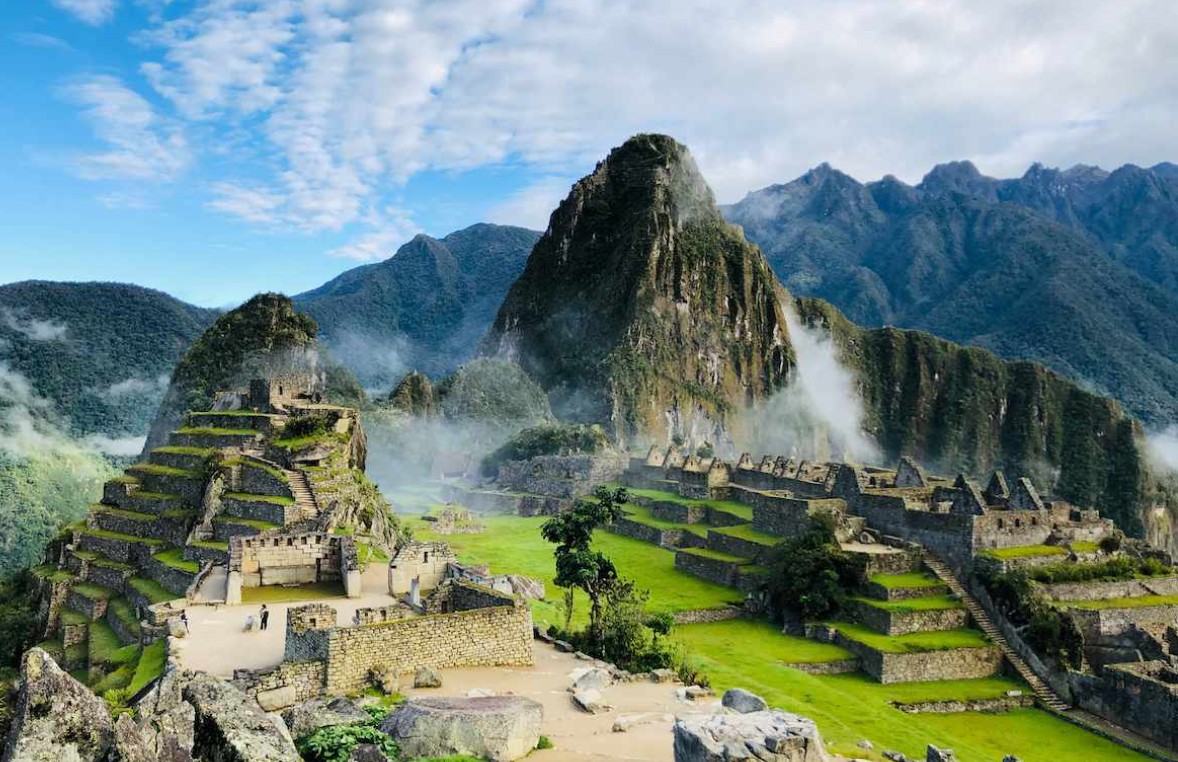
Peru is a classic first trip because the tourist infrastructure is strong. In Lima and Cusco, theft and scammy tour sellers are more common than violence. Keep your bag close in markets and bus terminals. The Andes introduce another variable: altitude. Give yourself time to acclimatize, hydrate, and take it seriously.
Ecuador (Quito, Cuenca, Galápagos)
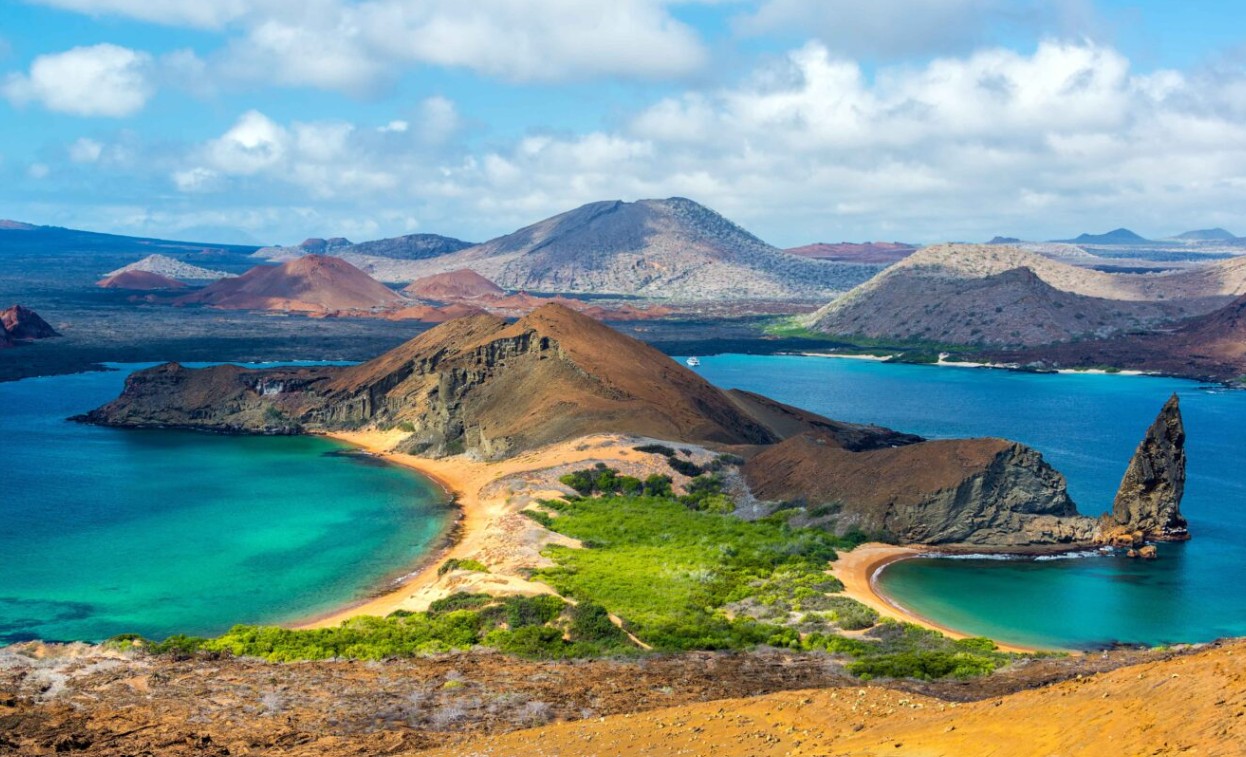
Ecuador’s feel can change block-by-block in major cities. Use extra caution around bus terminals and crowded transit. If you’re heading to the Galápagos, you’ll likely feel very safe, but keep normal travel precautions because islands can still have opportunistic theft.
Bolivia (La Paz, Uyuni)
Bolivia is rewarding for adventurous travelers, but planning matters. In cities, watch for pickpockets and avoid flashing valuables. In remote areas—like salt flats and high-altitude routes—prepare for cold, limited medical services, and long distances. Sometimes the “safety” question is about logistics, not crime.
Paraguay (Asunción) and smaller routes
Paraguay sees fewer tourists than its neighbors, which can be a plus if you like quieter travel. Because tourism infrastructure is smaller, be more deliberate about accommodation location, transport choices, and how you handle money. The main traveler risks tend to be practical: confusing transport, fewer English speakers, and the occasional scam around the exchange.
Venezuela (extra caution)
Venezuela is the one place where most mainstream travel plans become complicated quickly. Infrastructure challenges, limited consular support, and unpredictable conditions can make it difficult to manage risk as a visitor. If you’re considering it for a special reason, do deeper research and consider whether your trip goals can be met elsewhere.
The Guianas (Guyana, Suriname, French Guiana)
The Guianas are less visited and can feel more “off the beaten path.” You’ll want to plan transport carefully, especially outside capitals, and pay attention to health prep (vaccines, mosquito protection) depending on your itinerary. Safety issues are often about remoteness, not daily street crime.
City-by-city notes: what changes when you arrive
Asking “is south america safe to travel” is useful, but cities are where the details matter. Two travelers can visit the same country and have opposite experiences depending on where they stay and how they move around.
Buenos Aires
Stay in well-reviewed neighborhoods, be cautious in crowded transit, and watch for phone snatches near busy intersections. The city has a lively café culture—keep your phone off the table and loop bag straps around a chair leg.
When you want context, it helps to remember that Buenos Aires is a huge, dense capital—big-city habits apply.
Rio de Janeiro
Rio rewards travelers who plan their movement. Decide how you’ll get home before you go out. In beach areas, carry minimal valuables, and avoid long walks at night between neighborhoods. Ask your accommodation which streets feel safe after dark and which don’t.
Medellín
Medellín can feel modern and welcoming, but scams tend to target travelers who are relaxed and social—especially in nightlife districts. Meet new people in public places, avoid sharing where you’re staying, and trust your instincts if something feels “too fast.”
Bogotá
Bogotá’s altitude and weather can surprise visitors, and neighborhoods vary widely. Use ride-hailing at night, keep your phone discreet, and pay attention near transport hubs. Daytime walking tours in popular districts are usually straightforward.
Lima
Lima has safer districts and rougher districts that are very close to each other. If you stick to well-known areas, use reputable taxis, and keep valuables out of sight, most visitors feel fine. Don’t let a long flight convince you to wander alone at midnight with luggage and a phone in hand.
Cusco
Cusco is tourist-focused and generally manageable, but markets can be busy, and petty theft happens. More importantly, respect altitude. Acclimatize before tough hikes, and don’t push through severe symptoms.
Santiago
Santiago is a big, modern city where opportunistic theft can happen in transit and crowded zones. Choose accommodation in a safe area, keep bags zipped, and avoid overly quiet streets late at night.
Transportation: where many problems begin (and how to avoid them)
Across the region, transportation is where travelers are most likely to lose money, phones, or time. A few habits can prevent most issues:
- Airports: Use official taxis, reputable ride-hailing pick-up points, or pre-arranged transfers. Ignore unsolicited offers inside terminals.
- Long-distance buses: Keep valuables on you (not in the overhead rack), and don’t leave bags unattended at stops.
- Metro systems: Expect pickpockets in crowded cars. Wear backpacks on your front and keep phones away near doors.
- Car rentals: In some areas, driving can increase stress (traffic, road conditions, police checkpoints). If you do drive, keep windows up and valuables out of sight.
Money, documents, and what to do if something goes wrong
Safety planning is also “administrative safety.” If your goal is to answer “is south america safe to travel” with confidence, do these before you land:
- Back up documents: Keep digital copies of your passport and travel insurance, plus a printed copy separate from the original.
- Two cards strategy: Carry one card and keep another locked at your accommodation. If a card gets blocked, your trip doesn’t fall apart.
- ATM habits: Use ATMs inside banks or malls. If anyone approaches you at an ATM, cancel and leave.
- Emergency numbers: Save local emergency contacts and your embassy/consulate details before you need them.
If you’re robbed, your priority is safety—not recovering the item. Move to a secure location, contact your bank to freeze cards, report the incident if needed for insurance, and lean on your accommodation staff for local process guidance.
Health and nature safety: often underestimated
For many itineraries, the greater risk is not crime but health and terrain. Heat, dehydration, food issues, altitude, and tropical diseases can ruin a trip faster than pickpockets. Prepare with:
- Altitude planning: Build “easy days” into Cusco, La Paz, and other high-altitude stops.
- Water and sun: Carry water, use sunscreen, and take breaks—especially in desert regions and at altitude where sun exposure feels deceptive.
- Food choices: Eat where there’s turnover and good reviews. Start with simple foods when you arrive in a new place.
- Mosquito protection: Depending on your route, bring repellent and consider health advice for tropical areas.
How to plan a “safer” South America itinerary
If your main question is still “is south america safe to travel,” build your trip around risk reduction rather than trying to eliminate risk entirely. Here’s a planning framework:
- Pick 2–4 bases instead of 8 cities. Fewer transit days means fewer opportunities for problems and less exhaustion.
- Choose neighborhoods intentionally. Read recent reviews, look at maps, and prioritize walkability in daylight.
- Schedule your “big moves” in the morning. Daytime arrivals make navigation easier and reduce scam exposure.
- Book the first two nights. Give yourself a stable landing before you improvise the rest.
- Buy insurance you’ll actually use. Look for medical coverage and theft coverage appropriate to what you carry.
Common scams and how to spot them fast
- The distraction bump: Someone bumps you, spills something, or asks for help while another person targets your pockets. Keep hands on valuables and keep moving.
- The “friendly guide” at landmarks: A stranger offers a tour, then demands a large fee. Use licensed guides or book through reputable companies.
- Unofficial taxi pricing: A driver quotes a price “per person” or changes it mid-trip. Agree on a fare first or use a metered/ride-hailing option.
- ATM “helpers”: Anyone offering assistance is a red flag. Cancel the transaction and leave.
FAQ: quick answers travelers want
So… is South America safe to travel if I don’t speak Spanish or Portuguese?
Yes, many people do it. If you’re asking “is south america safe to travel” because of the language barrier, focus on routines you can control: reputable transport, good neighborhoods, and keeping valuables discreet.
Is it safe to travel between cities at night?
Sometimes, but daytime transit is usually less stressful. If you take overnight buses, keep valuables on you, choose reputable companies, and avoid showing expensive gear at stops.
Is solo travel safer with tours?
Group tours can reduce decision fatigue and help with logistics, especially for remote areas or complex routes. You can mix independent days with structured tours depending on your comfort level.
What’s the single best safety habit?
Control visibility. Most problems start when a phone, camera, or wallet is visible and easy to grab. Make “low-profile” your default.
Final take: make the continent work for you
South America isn’t one safety story; it’s many. It includes calm, walkable neighborhoods, iconic landscapes, and also places where you should be more cautious. If you approach it with situational awareness, smart logistics, and respect for local context, the reward is huge. For background context on the region itself, the South America overview is a helpful starting point.
You Might Also Like: South America Travel Guide for First-Timers: Routes, Costs and Safety Basics
If you’re still asking “is south america safe to travel,” the best answer is: it can be, when you travel deliberately. Choose your neighborhoods carefully, keep valuables out of sight, use trusted transport at night, and don’t let anxiety—or overconfidence—run the trip. Do those things, and South America can feel not only manageable but genuinely welcoming.