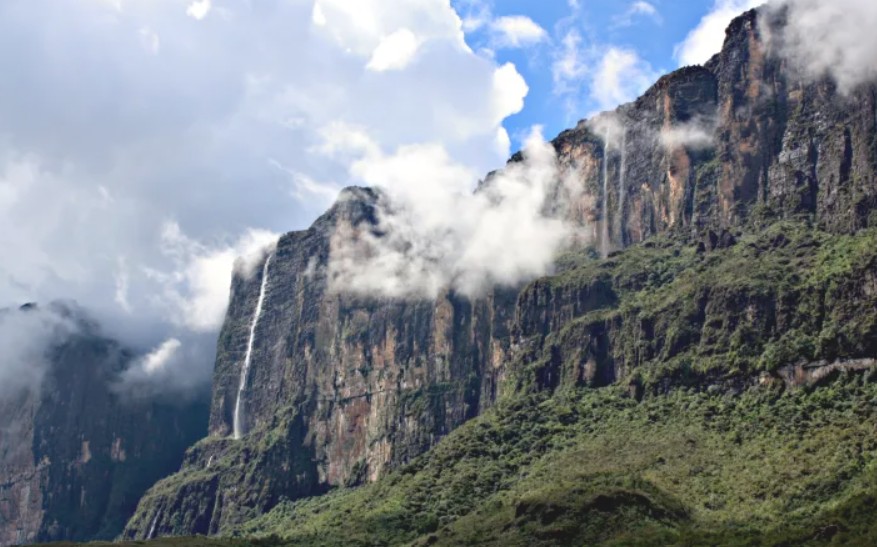
For those craving a raw, untamed adventure, the Roraima trek Bolivia Guyana route offers one of South America’s most extraordinary hiking experiences. Towering at 2,810 meters above sea level, Mount Roraima is a mystical flat-topped mountain that sits at the tri-border of Venezuela, Brazil, and Guyana. But for intrepid explorers seeking a path less trodden, the journey from the Guyanese side—accessible via Bolivia—provides a unique angle on this iconic tepui.
Unlike the more common routes from Venezuela, the Roraima trek via Guyana through southern Bolivia is remote, wild, and deeply rewarding. The route cuts through ancient forests, roaring rivers, and vast savannahs before culminating at the awe-inspiring tabletop summit that inspired Arthur Conan Doyle’s “The Lost World.”

Why Trek Roraima from the Bolivia-Guyana Side?
Most travelers know Mount Roraima from the Venezuelan side, but with the country’s ongoing instability, adventurers are turning to alternative routes. The trek via Guyana—and for some, beginning their overland journey in Bolivia—is both safer and increasingly popular among seasoned trekkers.
This path offers unmatched seclusion, and thanks to its remoteness, the environment remains largely untouched. There are no crowds, no beaten paths—just you, the mountain, and the sheer grandeur of nature. It’s also one of the few ways to experience Mount Roraima’s ethereal beauty without commercialized tour groups or over-tourism concerns.
Starting Point: Overland from Bolivia to Guyana
Many travelers begin their journey in Santa Cruz or La Paz, Bolivia, slowly making their way north and east toward Brazil before entering Guyana through Lethem. This route not only provides cultural immersion but also allows for better acclimatization and a deeper connection to the remote wilderness that characterizes this region of South America.
From Lethem, travelers can arrange local transport or join a guided expedition heading toward the base of Mount Roraima via Guyana’s savannah region. Expect rugged 4×4 rides, river crossings, and multi-day jungle hikes before even reaching the base.
Permits, Guides, and Logistics
Due to its isolation and proximity to indigenous territories, the Roraima trek from the Bolivia-Guyana side requires permits and local guides—typically coordinated in Lethem or through adventure agencies in Georgetown. Guides from the Pemon or Macushi tribes often lead the way, offering invaluable insight into the cultural and spiritual significance of the mountain.
Expect to pay slightly more than the Venezuelan route due to logistical complexities, but the payoff is a truly authentic and uninterrupted experience.
What to Expect on the Trail
The hike spans approximately 6 to 8 days, depending on weather and fitness levels. It includes:
- Crossing the tropical savannah and jungle
- River fording with waist-deep currents
- Steep ascents through dense cloud forest
- Scrambling up the “Rampa” – a natural path up the tepui’s cliff face
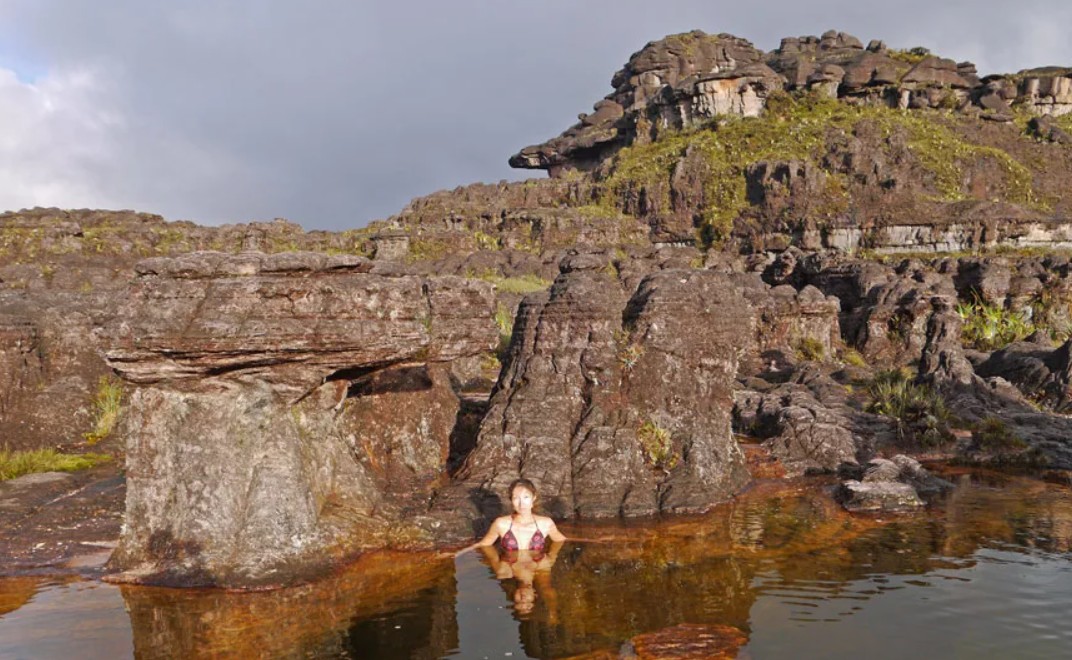
Once atop Mount Roraima, the landscape changes dramatically. The summit is an alien world of blackened rock formations, quartz fields, carnivorous plants, and mist-covered valleys. It’s a surreal plateau that’s been isolated for millennia, giving rise to endemic species found nowhere else on Earth.
Best Time to Trek Roraima
The ideal months for the Roraima trek are between December and April, when the region experiences a dry season. Rain can be heavy during other times, making river crossings dangerous and trails muddy and slow.
Always check with local operators in Lethem or Georgetown for updated trail conditions, especially if beginning your journey from Bolivia.
What to Pack
Because of the trek’s difficulty and remoteness, packing wisely is essential. Recommended gear includes:
- Lightweight tent and sleeping bag (weatherproof)
- Hiking boots with strong ankle support
- Water filtration system or tablets
- High-protein snacks and dry food
- Rain gear and layered clothing
- Satellite communicator or GPS (no signal in many areas)
Porters are available but not guaranteed, so many trekkers carry their own supplies. Physical preparation is crucial, as this trek challenges even experienced hikers.
Wildlife and Nature
The route is teeming with biodiversity. You might spot giant anteaters, howler monkeys, colorful toucans, and rare frogs. Mount Roraima itself hosts unique species such as the Roraima bush toad and several exotic orchids that have adapted to the summit’s nutrient-poor soils.
Because the area is ecologically fragile, it’s vital to practice Leave No Trace principles. Respect local customs, pack out all waste, and avoid damaging flora and fauna.
Who Is This Trek For?
This is not a casual hike. It’s best suited for travelers who:
- Have prior multi-day trekking experience
- Seek solitude and minimal infrastructure
- Are physically fit and prepared for rough terrain
- Value cultural immersion with indigenous communities
If that sounds like you, then the Roraima trek, Bolivia, Guyana route will likely be one of the most meaningful journeys of your life.
How It Compares to Other South American Treks
While the Inca Trail, Patagonia’s W Trek, or the Cordillera Blanca attract the mainstream, Roraima remains under the radar. It doesn’t have the crowds or facilities, but what it does offer is silence, spiritual presence, and a true connection with the Earth.
Baca Juga: Uyuni Sunrise Tour: Tips for Visiting Bolivia’s Magical Salt Flats at Dawn
Final Thoughts
Choosing to trek Mount Roraima from the Guyana side, with Bolivia as your launching pad, is a bold decision—but a life-changing one. You’ll traverse remote lands, cross cultural thresholds, and ascend one of the world’s oldest geological formations. It’s not just a hike; it’s a pilgrimage into a world that time forgot. The Roraima trek Bolivia Guyana route isn’t for everyone—but for those willing to take the path less traveled, it’s pure magic.