Nestled in the heart of southern Mexico, Oaxaca City stands as a beacon of rich cultural heritage and gastronomic excellence. Renowned for its vibrant festivals, indigenous traditions, and diverse culinary scene, Oaxaca City offers travelers an immersive experience that tantalizes the senses. This comprehensive Oaxaca City travel guide delves into the city’s cultural highlights and culinary delights, ensuring you make the most of your visit to this enchanting destination.
1. Cultural Attractions in Oaxaca City
Oaxaca City’s cultural tapestry is woven from its indigenous roots and colonial influences, evident in its architecture, art, and traditions.
-
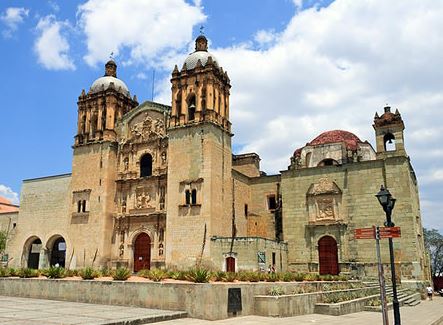
Templo de Santo Domingo de Guzmán: This iconic Baroque church, adorned with intricate gold leaf interiors, is a testament to colonial-era craftsmanship. Adjacent to the church, the former monastery houses the Museum of Oaxacan Cultures, offering insights into the region’s history.
-
Monte Albán: A short drive from the city center lies this ancient Zapotec archaeological site. Perched atop a mountain, Monte Albán provides panoramic views of the Oaxaca Valley and a glimpse into pre-Hispanic civilization.
-
Jardín Etnobotánico de Oaxaca: This botanical garden showcases the diverse flora native to the region, emphasizing the deep connection between the indigenous people and their environment. Guided tours offer detailed insights into the plants’ cultural and medicinal significance.
-
Zócalo (Plaza de la Constitución): The bustling main square serves as the city’s social and cultural hub. Surrounded by colonial buildings, cafes, and shops, the Zócalo is the perfect spot to observe daily life and enjoy street performances.
2. Festivals and Traditions
Oaxaca City’s calendar is dotted with vibrant festivals that reflect its rich cultural heritage.
-
Guelaguetza Festival: Held annually in July, this Indigenous cultural event features traditional dances, music, and costumes from the state’s various ethnic groups, celebrating Oaxaca’s diversity.

-
Día de los Muertos (Day of the Dead): Celebrated from October 31st to November 2nd, this festival honors deceased loved ones with elaborate altars, marigold decorations, and processions, showcasing a unique blend of indigenous and Spanish traditions.
-
Noche de Rábanos (Night of the Radishes): On December 23rd, local artisans carve intricate scenes from radishes, creating a whimsical display that attracts crowds to the Zócalo.
3. Culinary Delights
Oaxaca’s culinary scene is a rich tapestry of traditional flavors and innovative gastronomy, earning it the nickname “Land of the Seven Moles.”
-
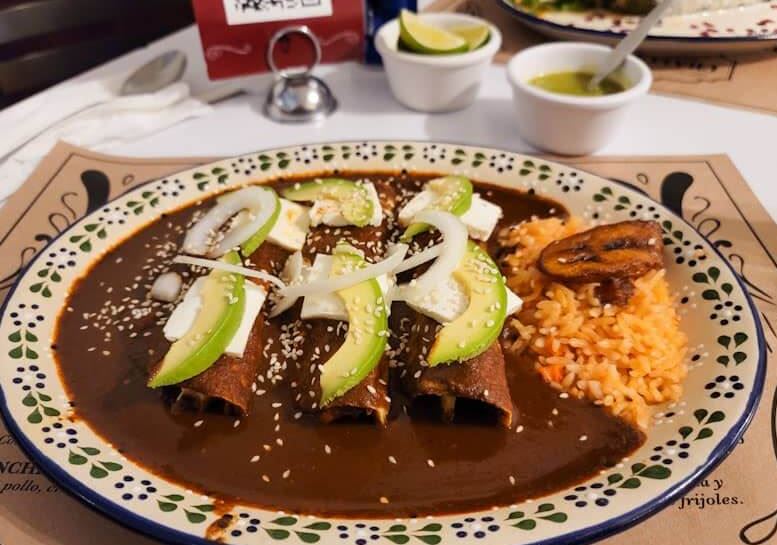
Mole Varieties: Oaxaca is famed for its seven distinct moles and complex sauces made from a blend of chiles, nuts, spices, and chocolate. Each variety offers a unique taste experience, from the rich, dark mole negro to the vibrant mole verde.
-
Tlayudas: Often referred to as Oaxacan pizza, tlayudas are large, crispy tortillas topped with refried beans, cheese, lettuce, avocado, and your choice of meat, then folded and grilled to perfection.
-
Chapulines: For the adventurous eater, these roasted grasshoppers seasoned with lime and chili are a popular snack, offering a crunchy texture and tangy flavor.
-
Mezcal: This traditional Oaxacan spirit, distilled from agave, offers a smoky flavor profile. Numerous mezcalerías in the city provide tastings, allowing visitors to appreciate the drink’s complexity.
4. Culinary Experiences and Food Tours
To fully immerse yourself in Oaxacan gastronomy, consider participating in food tours and cooking classes.
-
Oaxaca Eats Food Tours: Guided walking tours introduce participants to local eateries, markets, and street food vendors, offering a taste of authentic Oaxacan flavors.
-
Cooking Classes: Several local chefs offer hands-on classes where you can learn to prepare traditional dishes, from selecting ingredients at local markets to mastering cooking techniques.
5. Art and Handicrafts
Oaxaca’s artistic heritage is evident in its vibrant markets and artisan workshops.
-
Mercado de Artesanías: This market offers a plethora of handcrafted goods, including textiles, pottery, and alebrijes (colorful wooden carvings), providing perfect souvenirs and supporting local artisans.
-
Textile Workshops: The city and surrounding villages are renowned for their weaving traditions. Visiting a workshop allows you to observe artisans at work and even try your hand at traditional weaving techniques.
6. Practical Information
-
Best Time to Visit: The dry season, from October to April, offers pleasant weather ideal for exploring the city and its surroundings.
-
Getting There: Oaxaca International Airport (OAX) connects the city to major destinations. Alternatively, buses from Mexico City provide a scenic journey through the Mexican countryside.
-
Accommodations: From boutique hotels in restored colonial buildings to budget-friendly hostels, Oaxaca City offers a range of lodging options to suit every traveler.
You Might Also Like: Exploring the Yucatán Peninsula: Cenotes, Mayan Ruins, and More
Conclusion
Oaxaca City seamlessly blends its rich cultural heritage with a dynamic culinary scene, offering travelers an immersive experience that lingers long after the journey ends. Whether you’re wandering through historic sites, savoring traditional dishes, or engaging with local artisans, this Oaxaca City travel guide ensures you uncover the cultural highlights and culinary delights that make this destination truly exceptional.