Nestled in the heart of Costa Rica’s Central Valley, the charming town of Cartago offers a unique blend of rich history, cultural heritage, and stunning natural beauty. Once the nation’s capital, Cartago is a must-visit destination for travelers seeking a deeper connection with Costa Rica’s past. This Cartago travel guide will lead you through its most iconic landmarks, cultural experiences, and natural wonders, making sure your visit is both memorable and enriching.
A Glimpse Into Cartago’s History
Founded in 1563 by Spanish conquistador Juan Vásquez de Coronado, Cartago is one of the oldest towns in Costa Rica. It served as the capital until 1823, after which it was replaced by San José. Despite suffering from devastating earthquakes over the centuries, Cartago has preserved many remnants of its colonial architecture and religious heritage, giving visitors a unique window into the country’s early days.
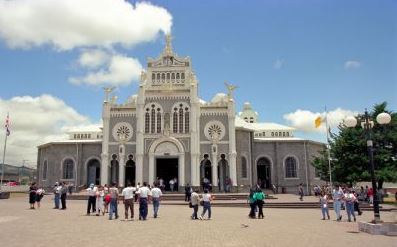
One of the most notable historic sites is the Basilica de Nuestra Señora de los Ángeles, a stunning church built in 1639 and reconstructed after an earthquake. It remains a major pilgrimage site and a powerful symbol of faith in Costa Rica.
Top Attractions in Cartago
1. Basilica de Nuestra Señora de los Ángeles
This iconic basilica is not only a place of worship but also a work of art. Its mix of Byzantine and colonial architecture, intricate stained-glass windows, and a beautiful altar draws thousands of visitors and pilgrims each year. The basilica houses the revered statue of “La Negrita,” believed to have healing powers.
2. Ruins of the Santiago Apostol Church
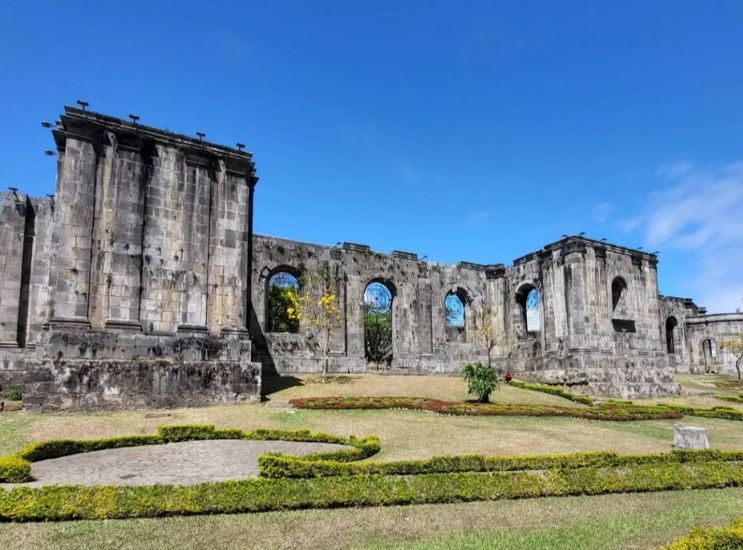
Located in the town square, these hauntingly beautiful ruins tell the story of a church that was destroyed multiple times by earthquakes. Today, it serves as a tranquil park, with gardens and pathways ideal for quiet contemplation or photography.
3. Lankester Botanical Gardens
Just a few kilometers from Cartago’s center, these gardens are a haven for plant lovers. Operated by the University of Costa Rica, the gardens boast over 3,000 species of plants, including an impressive orchid collection. It’s a peaceful retreat and a great place to learn about Costa Rica’s diverse flora.

4. Irazú Volcano National Park
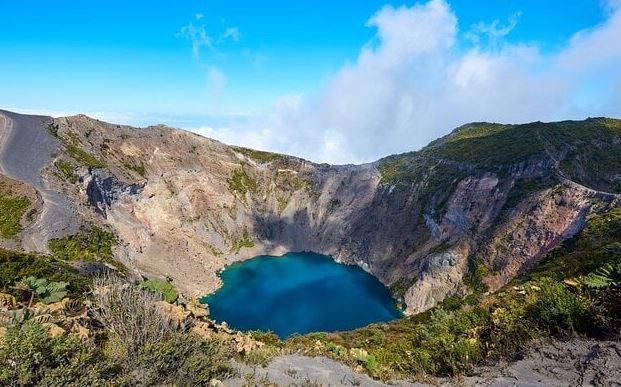
No Cartago travel guide would be complete without mentioning Irazú Volcano. This towering stratovolcano is the highest in Costa Rica and offers breathtaking views all the way to the Caribbean and Pacific on clear days. The crater, filled with greenish-blue water, is an otherworldly sight worth the drive.
Cultural Experiences in Cartago
1. Annual Pilgrimage (Romería)
Every August, more than two million people make the pilgrimage to the Basilica de Nuestra Señora de los Ángeles from all parts of Costa Rica. This spiritual journey, known as the “Romería,” is a major cultural and religious event that showcases Costa Rica’s deep-rooted Catholic traditions.
2. Local Cuisine
No visit to Cartago is complete without tasting traditional Costa Rican food. Try dishes like olla de carne, tamales, and chorreadas at local sodas (small restaurants). The town’s market is also a great place to enjoy fresh produce and local snacks.
Outdoor Adventures Near Cartago
Cartago’s proximity to lush valleys, mountains, and rivers makes it a prime location for outdoor enthusiasts. Hiking, bird-watching, and biking trails are abundant.
1. Tapantí National Park
Located southeast of Cartago, this lesser-known park offers dense rainforests, waterfalls, and rich biodiversity. It’s perfect for a day trip and is ideal for hiking and nature photography.
2. Orosi Valley
Just a short drive away, the Orosi Valley enchants visitors with its rolling hills, colonial-era churches, and hot springs. The Orosi Church is one of the oldest active churches in Costa Rica, dating back to the 18th century.
You Might Also Like: Visiting the Waterfalls of La Fortuna: A Guide to the Best La Fortuna Waterfall Hikes
Tips for Visiting Cartago
- Best Time to Visit: December to April offers the best weather. These dry months are ideal for sightseeing and volcano visits.
- Getting There: Cartago is about 25 km southeast of San José. Buses run frequently, and the drive takes around 45 minutes.
- Dress in Layers: Due to its elevation (1,435 meters), Cartago has a cooler climate than the coast. Mornings and evenings can be chilly.
- Respect Religious Sites: When visiting churches and sacred places, dress modestly and maintain a respectful demeanor.
Cartago Travel Guide Summary
Cartago is more than just a historic town — it’s a vibrant gateway to Costa Rica’s culture, spirituality, and natural splendor. Whether you’re standing in awe at the Basilica, wandering through botanical gardens, or hiking around a volcanic crater, Cartago offers an unforgettable experience.
Incorporating history, faith, and scenic beauty, this Cartago travel guide ensures you won’t miss the highlights of this remarkable destination. Add Cartago to your Costa Rican itinerary and uncover a side of the country many travelers overlook.
For more about Costa Rica’s geography, check out this article on the Central Valley. You might also explore the region’s volcanic activity through the Irazú Volcano.