The Osa Peninsula marine tours offer one of the richest aquatic experiences in the world. From snorkeling vibrant coral reefs to watching majestic whales and turtles in Golfo Dulce, this region is a marine lover’s dream.
Introduction to the Osa Peninsula
The Osa Peninsula, located on Costa Rica’s southwestern Pacific coast, is home to at least half of all species living in the country. Covering about one-third of the peninsula, Corcovado National Park protects dense tropical rainforest and coastal ecosystems. The marine habitats off the peninsula—including Golfo Dulce and Caño Island—are equally biodiverse and essential parts of Osa’s natural heritage.
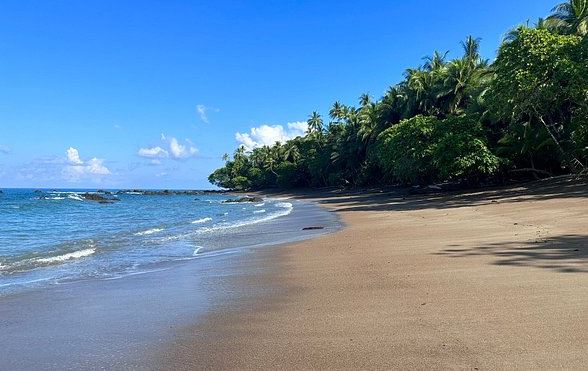
Golfo Dulce: A Tropical Marine Fjord
The Golfo Dulce is a rare tropical fjord separated by the Osa Peninsula, renowned for its rich marine ecosystem. Its warm, clear waters host humpback whales (which use it as a breeding and nursery ground), spotted dolphins, bottlenose dolphins, and even orcas.
Marine reptiles such as Pacific green turtles, Olive Ridley, Hawksbill, and Pacific leatherback frequent these waters, drawn by abundant jellyfish and marine vegetation. Sharks, including Whale Sharks and scalloped hammerhead, patrol the deeper channels, while rays, marlin, dorado, and needlefish enrich the food web.
Caño Island Biological Reserve: Snorkeling Wonderland
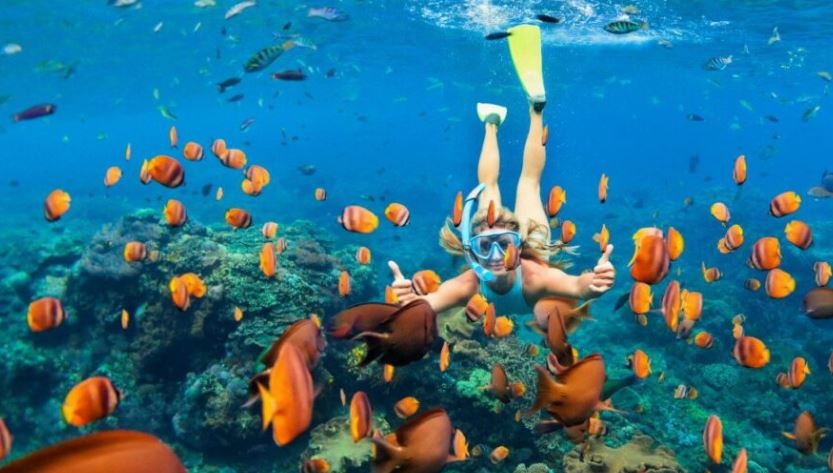
Located off the Osa Peninsula coast, Caño Island Biological Reserve is protected and celebrated for its underwater diversity. Snorkelers often sight manta rays, dolphins, false killer whales, sea turtles, and dozens of reef fishes among vibrant coral beds.
The coral gardens are also home to less visible creatures like the sea slug Jorunna osae, named after the Osa Conservation Area, and other nudibranchs, anemones, and sponges.
Typical Highlights of Osa Peninsula Marine Tours
- Whale and Dolphin Watching in Golfo Dulce – Tours depart from Uvita and Drake Bay to spot humpback whales, pilot whales, and playful dolphins during peak migration seasons.
- Snorkeling at Caño Island – Guided trips bring you to prime snorkel spots around Caño Island, where you may swim alongside turtles, rays, reef sharks, and tropical fish.
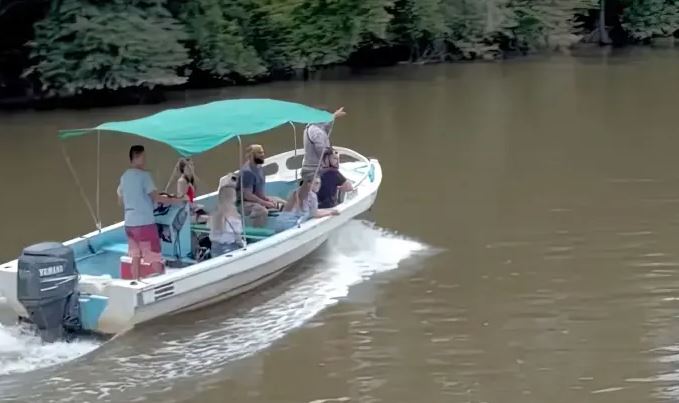
- Boat Cruises along the Esquinas River and Golfo Dulce – Explore mangroves, estuaries, and rivers with myriad marine and birdlife sightings, sometimes spotting sea snakes or caimans along the shoreline.
- Combined Land and Sea Excursions – Many operators combine visits to Corcovado National Park with marine excursions, offering both jungle trekking and snorkeling or whale watching.
When to Go? Best Seasons for Osa Peninsula Marine Tours
The ideal time for whale and dolphin watching is during migration seasons, especially July through September when humpbacks converge in Golfo Dulce to mate and calf. However, snorkeling conditions at Caño Island are generally good year-round, with optimal clarity during the dry season (December to April).
Why Choose Osa Peninsula Marine Tours?
These tours are hosted by fully licensed, sustainable operators—such as Bahia Aventuras—based in Uvita and Drake Bay, committed to safety and conservation since 2007. Many are certified under Costa Rica’s Sea Star System and aligned with national environmental standards.
Not only do you see marine megafauna like whales and rays, but you also support local communities and conservation efforts in the biodiverse Osa Conservation Area.
Suggested Itinerary for a Marine Tour-focused Trip
Here’s a sample 4‑day itinerary for exploring Osa Peninsula’s marine life:
- Day 1: Arrive in Uvita, relax on Marino Ballena beach, and perhaps join an afternoon dolphin watch.
- Day 2: Full‑day snorkel trip to Caño Island, exploring reefs and spotting manta rays and reef sharks.
- Day 3: Golfo Dulce boat tour at dawn for whale watching; afternoon riverboat or kayak through Esquinas mangroves.
- Day 4: Combined land‑sea excursion to Corcovado National Park followed by a coastal cruise at sunset.
Marine Biodiversity and Conservation
The waters of the Osa Peninsula region are home to over 25 species of dolphins and whales, many migratory and some resident year‑round. The scalloped hammerhead shark nursery in northern Golfo Dulce has been designated a no‑take marine sanctuary since 2018.
Protected areas like Corcovado, Caño Island Reserve, and the Osa Wildlife Sanctuary work in tandem to rehabilitate wildlife and preserve fragile ecosystems. Species like the endemic caecilian Oscaecilia osae are monitored within these protected forests and wetlands.
Planning Tips and Recommendations
— Book your Osa Peninsula marine tours in advance, especially snorkeling trips to Caño Island, which have limited capacity.
— Travel during the dry season (December–April) for ideal marine visibility and calmer seas, but be mindful that marine sightings like whales may peak later in the year.
— Wear reef-safe sunscreen, bring snorkel gear if possible, and consider combining marine trips with jungle adventures in Corcovado.
You Might Also Like: A Foodies Tour of Grecia: Local Delicacies
Conclusion
The Osa Peninsula marine tours deliver an unforgettable blend of rich marine wildlife, conservation-focused ecotourism, and unparalleled natural beauty. Whether you’re snorkeling among sea turtles and coral, watching humpback whales breach, or cruising through mangroves, this region is a once-in‑a‑lifetime destination. Book responsibly with certified operators, choose your timing wisely, and enjoy the magic of Costa Rica’s most biodiverse coastal expanse.
Happy traveling and safe marine adventures!