Searching for eco lodges in South America is often the start of a bigger dream: waking up to birdcalls instead of traffic, eating food grown nearby, and leaving a lighter footprint while you explore some of the planet’s most biodiverse landscapes. The challenge is that many lists recycle the same famous properties, while truly meaningful stays—small, community-rooted, and nature-first—remain under the radar.
This guide is designed to help you find “hidden-gem” eco lodges across South America, with special attention to Brazil’s Pantanal and the Peruvian Amazon. You’ll learn what makes an eco lodge genuinely sustainable, how to vet green claims, which regions offer the most rewarding wildlife experiences, and how to plan logistics safely and responsibly. If you want the kind of trip where your accommodation is part of the conservation story, you’re in the right place.
What “Hidden-Gem” Really Means in Ecotourism
In travel marketing, “hidden gem” can be a throwaway phrase. In ecotourism, it should mean something more practical: a lodge that’s not overloaded with mass tourism, operates with credible sustainability practices, and gives you an intimate connection to place—often through local guides, community partnerships, and conservation initiatives.
Many eco properties stay “quiet” because they’re intentionally small—think a handful of cabins, limited boat transfers, or seasonal access. That’s often a feature, not a bug. Smaller lodges typically create less pressure on water, waste systems, and wildlife corridors, and they can provide more personalized guiding, which is crucial in complex ecosystems like wetlands and rainforests.
How to Choose Eco Lodges in South America Without Falling for Greenwashing
Before you book, it helps to define what sustainability looks like in real-world lodge operations. Wikipedia describes an eco hotel as a lodging option that makes environmental improvements to minimize impact on nature, often through verified practices and certifications.
Certifications are useful, but they’re not the only proof. In remote regions, some excellent lodges don’t chase international labels—they invest directly in community projects, wildlife monitoring, and low-impact infrastructure. Use the checklist below to evaluate what you’re paying for.
Quick Vetting Checklist
- Energy: Solar or hybrid power, efficient lighting, and clear limits on generator use.
- Water: Rainwater capture, low-flow fixtures, and thoughtful wastewater treatment.
- Waste: Composting, recycling plans, refill stations, and “pack-in/pack-out” policies for remote zones.
- Wildlife ethics: No baiting predators, no forced animal handling, and respectful distances on excursions.
- Local benefit: Local staff in leadership roles, fair wages, and partnerships with nearby communities.
- Food sourcing: Seasonal menus, reduced imports, and support for local farmers/fishers.
- Transparency: Clear reporting—what they measure, what they fund, and where they still need improvement.
Questions to Email the Lodge Before Booking
- How do you handle sewage and graywater in the rainy season?
- What percentage of staff are hired locally, and do you offer training programs?
- Do you support conservation research (camera traps, bird counts, reforestation, etc.)?
- How do you manage noise and light at night to protect wildlife?
- What is your policy on single-use plastics and bottled water?
Pay attention to how they answer. A serious eco lodge will respond with specifics, not vague promises.
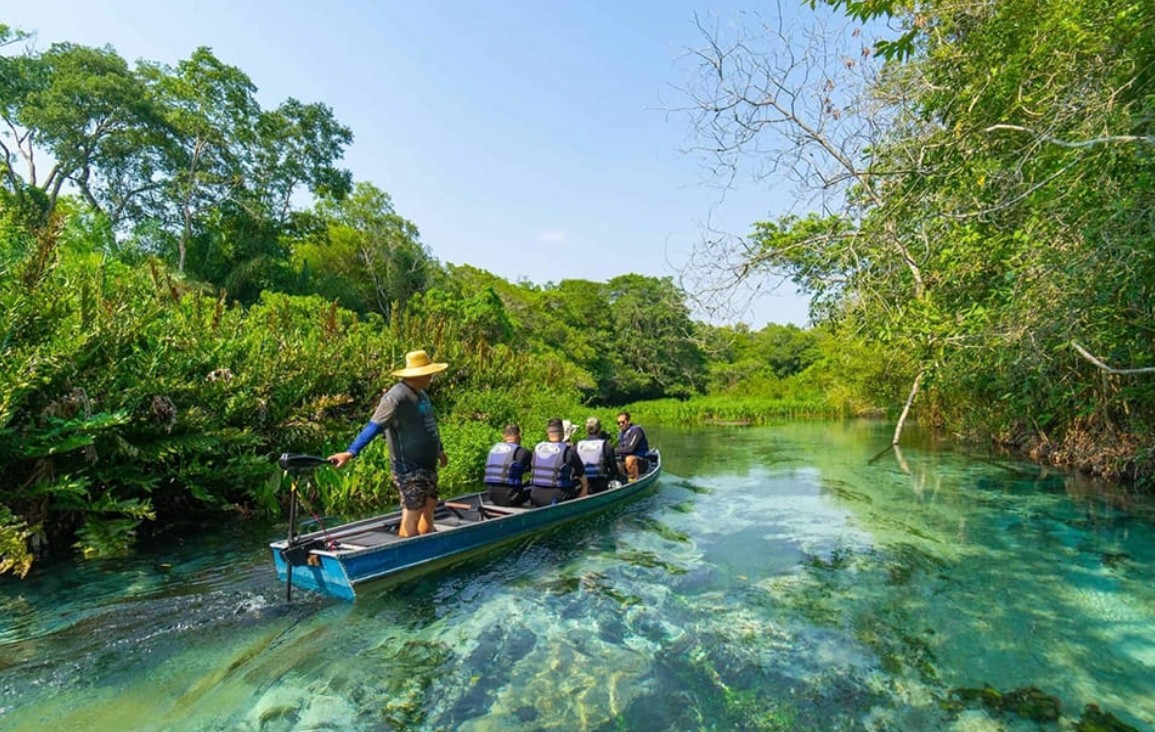
Brazil’s Pantanal: The Wetland That Outshines the Amazon for Wildlife
The Pantanal is a natural region spanning Brazil (mostly), plus parts of Bolivia and Paraguay. It’s widely described as the world’s largest tropical wetland, shaped by seasonal flooding that concentrates wildlife in spectacular ways. Learn more about the Pantanal and its unique ecology.
If your goal is big-animal viewing—especially jaguars—this is often one of the best bets on the continent. The landscape is more open than dense rainforest, which means sightings can be easier and photography can be more rewarding. Yet, the Pantanal is also sensitive: flooding cycles and drought patterns influence everything from fish spawning to bird nesting, so timing matters.
Best Time to Visit the Pantanal for a Low-Impact Lodge Stay
- Dry season (roughly June–October): Easier roads, concentrated wildlife, and more reliable excursions.
- Shoulder periods: Fewer visitors and lush landscapes, but more variable access.
- Wet season (roughly November–March): Stunning waterworld scenery, but limited transport and fewer classic safari-style sightings.
Rather than chasing peak-season crowds, a “hidden-gem” approach is to pick a smaller lodge with strict guest limits and strong guiding. You might trade a bit of convenience for a quieter experience, which often results in better wildlife behavior—less habituation and fewer boat traffic jams.
What to Look for in Pantanal Lodges
- Wildlife monitoring: Participation in jaguar identification projects or bird surveys.
- Habitat protection: Private reserve areas or partnerships that protect riparian zones.
- Responsible boating: Speed limits, distance rules, and no crowding at sightings.
- Fire awareness: Safety planning, staff training, and support for local prevention efforts.
Eco lodges in the Pantanal often operate in working landscapes where cattle ranching and conservation overlap. The best properties are candid about those tensions and show how they reduce conflict through wildlife-friendly fencing, habitat restoration, and community engagement.
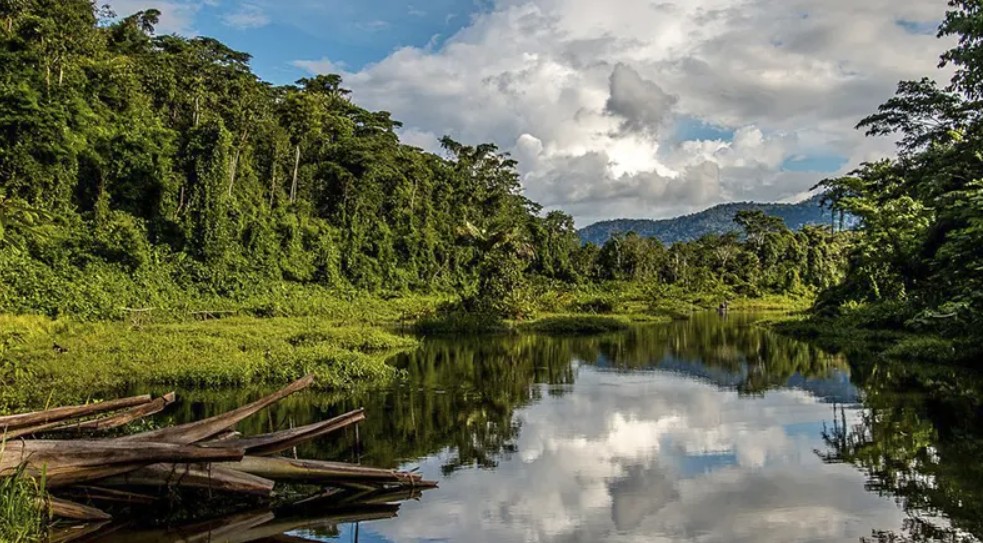
The Peruvian Amazon: Deep Forest, Big Biodiversity, Real Logistics
The Peruvian Amazon covers a large portion of Peru east of the Andes, dominated by dense rainforest ecosystems and major river systems. If you want a quick primer, see Peruvian Amazonia.
Here, the lodge experience is often about immersion: river travel, canopy walks, medicinal plant knowledge, and nighttime explorations for frogs, insects, and nocturnal mammals. A true eco lodge in this region must balance comfort with constraints—electricity may be limited, Wi-Fi might be absent, and weather can change quickly.
Gateway Areas: Where Many Travelers Start
- Iquitos region: River-based access, classic jungle lodge routes, strong wildlife potential.
- Tambopata/Madre de Dios: Known for clay licks and biodiversity, with a mix of lodges and research stations.
- Upper Amazon tributaries: Often quieter, with smaller community lodges and fewer large-group tours.
When searching for eco lodges in South America, don’t overlook the “in-between” zones—smaller tributaries and buffer regions that see less traffic but still offer extraordinary birdlife and forest walks. These places often deliver the hidden-gem magic: fewer engines on the water, more time listening, and deeper relationships with local guides.
Hidden-Gem Eco Lodge Styles You’ll Find Across South America
Not every eco lodge looks like a rustic cabin. Across the continent, sustainability shows up in different forms depending on culture, climate, and access. Knowing these styles helps you match your comfort level and values.
1) Community-Owned River Lodges
These stays are often run by Indigenous or riverine communities, with profits reinvested locally. Expect simple but clean rooms, excellent guiding, and a strong cultural component—crafts, storytelling, traditional foods, and local ecological knowledge.
2) Conservation-First Private Reserves
Some lodges operate on private lands with protected habitat corridors. Their “hidden” status usually comes from limited capacity and strict rules (no loud music, limited boat hours, careful trail management). They may fund rangers, reforestation, or scientific monitoring.
3) Research-Linked Jungle Lodges
In rainforest regions, a number of lodges support biologists and citizen science. Guests might join early-morning bird counts or learn how camera traps work. These experiences are memorable because they add purpose to your stay.
4) Farm-to-Table Eco Estancias
Outside the deep Amazon, eco stays can also be found on small farms and estancias that prioritize regenerative practices: agroforestry, shade-grown crops, and wildlife-friendly land management. They’re ideal if you want nature without the intensity of full jungle logistics.
How to Build a Responsible Itinerary: Pantanal + Peruvian Amazon
Combining Brazil’s Pantanal and the Peruvian Amazon can create a powerful “wetland-to-rainforest” narrative: wide-open wildlife viewing followed by deep-forest immersion. Done well, it also spreads your tourism footprint across different communities rather than concentrating it in a single hotspot.
Sample 12–14 Day Route (Flexible)
- Days 1–2: Arrive in Brazil, adjust to climate, and travel to the Pantanal region.
- Days 3–6: Stay at a small Pantanal lodge; focus on dawn and dusk wildlife drives/boat trips.
- Day 7: Buffer day for travel and rest (crucial in remote regions).
- Days 8–12: Fly to Peru; transfer by river to a rainforest lodge; do guided walks and night safaris.
- Days 13–14: Return to the city; choose an ethical souvenir stop or museum visit.
Hidden-gem lodges often require more patience: boat schedules, weather delays, and limited room inventories. The payoff is depth—fewer check-ins, longer stays, and a better chance to see wildlife behaving naturally.
What to Pack for Eco Lodges in South America
Packing right is not just about comfort—it’s about reducing waste and staying safe. Remote lodges can’t always handle large volumes of trash, and you may not be able to buy replacements easily.
Essentials for Rainforest + Wetland Trips
- Refillable water bottle (and a backup purification option if advised by your lodge).
- Lightweight long sleeves and pants for sun and insect protection.
- Quick-dry layers and a compact rain jacket.
- Binoculars for birds and distant wildlife.
- Headlamp with a red-light mode for night walks.
- Dry bags for electronics during boat transfers.
- Reef-safe sunscreen and biodegradable soap (only where permitted).
- Basic first-aid kit plus any personal medications.
One underrated tip: bring a small “leave-no-trace” kit (reusable cutlery, collapsible container, and cloth napkin). It helps you avoid single-use items on travel days when you’re moving between regions.
Safety, Health, and Ethical Wildlife Viewing
Ecotourism should never come at the cost of safety or ethics. Some of the most biodiverse areas also carry health considerations—heat stress, insects, and remote medical access. Always follow lodge guidance and local regulations, and consult a qualified travel health professional before departure.
Wildlife Viewing Rules That Protect Animals (and You)
- Keep distance: Approaching too close can change feeding or nesting behavior.
- Limit noise: Quiet boats and whisper-level observation reduce stress.
- No flash at night: Use red light when possible and follow your guide’s lead.
- Never feed wildlife: It alters natural behavior and can spread disease.
These practices align with the core idea of ecotourism: tourism that aims to be minimally impactful while supporting conservation and education.
Budgeting: What You’re Paying For in a Real Eco Lodge
Eco lodges can be more expensive than standard hotels, especially in remote areas. That price often includes logistics (boats, fuel, supplies), highly trained guides, small group sizes, and conservation investments. When you compare costs, consider the total value rather than just the room rate.
Cost Drivers to Expect
- Remote transport: Boats, private transfers, and limited schedules raise costs.
- Food supply chains: Responsible sourcing can be harder (and pricier) far from cities.
- Maintenance: Sustainable systems (solar, filtration, treatment) require skilled upkeep.
- Guiding quality: Expert naturalists add enormous value to every excursion.
If you’re trying to balance budget and sustainability, prioritize guiding and community impact over luxury finishes. A simple room with an outstanding local guide often delivers a richer experience than a stylish lodge with generic tours.
Finding Hidden Gems: Practical Search Tips That Work
Instead of searching only for “best lodges,” try queries that match how smaller properties describe themselves. Also consider searching in the local language (Portuguese for Brazil, Spanish for Peru) for terms like “pousada sustentável” or “albergue ecológico.”
Search Phrases to Try
- “community lodge Amazon Peru small group”
- “Pantanal private reserve lodge conservation”
- “river lodge solar power refill station”
- “Indigenous community tourism Amazon”
Then, verify details on the lodge’s own pages: sustainability policies, group sizes, guiding credentials, and transparency. If the site doesn’t mention waste, water, or wildlife ethics at all, that’s a red flag.
How to Make Your Stay More Sustainable (Even if the Lodge Is Already Doing a Lot)
Choosing the right accommodation is only half the story. Your personal habits—water use, electricity use, and what you bring—also matter. In small-scale operations, every guest’s behavior affects the system.
- Stay longer: Fewer transfers reduce emissions and stress on logistics.
- Bring reusables: Bottles, bags, and containers reduce waste.
- Follow trail etiquette: Don’t shortcut paths or disturb vegetation.
- Buy local: Choose crafts and services that directly support communities.
- Share responsibly: If you post wildlife locations, avoid pinpointing sensitive species.
When travelers take these steps, eco lodges can focus their resources on conservation rather than damage control.
Common Mistakes to Avoid When Booking Eco Lodges in South America
- Over-optimizing the itinerary: Remote travel needs buffer days; don’t schedule tight connections.
- Chasing “guaranteed” sightings: Nature has no guarantees—ethical lodges won’t promise them.
- Ignoring local seasonality: Flood cycles shape access, insects, and wildlife patterns.
- Assuming luxury equals sustainability: Some luxury lodges are responsible, some aren’t; check the facts.
- Skipping guide quality: A skilled guide makes the difference between seeing “green” and understanding the ecosystem.
If you keep the focus on learning, community benefit, and low impact, you’ll have a trip that feels both adventurous and meaningful.
Final Thoughts: Choosing Eco Lodges That Leave Places Better
From the flooded savannas of Brazil’s Pantanal to the river arteries of the Peruvian Amazon, South America offers a rare chance to travel in a way that supports living ecosystems. The best “hidden-gem” stays are not hidden because they lack quality—they’re hidden because they prioritize limits: fewer rooms, quieter excursions, and deeper partnerships with local people and conservation efforts.
You Might Also Like: Coffee Plantation Tours in Brazil: Ethical and Immersive Adventures
If you’re ready to search for eco lodges in South America with intention, start by choosing one region, staying a little longer, and asking better questions. The reward is a trip where comfort comes with context—and where your presence helps protect the very landscapes you came to see.