Planning a once-in-a-lifetime trip to the South America region can feel overwhelming: distances are huge, climates vary wildly, and “must-sees” compete with hidden gems. This guide is built to help you choose the south america best destinations for your travel style, then stitch them into realistic itineraries—with clear budget ranges, transport options, and practical tips you can actually use on the road.
You’ll find destination picks across the continent (and a few nearby islands), sample routes from 10 days to 6+ weeks, and a cost breakdown for budget, mid-range, and comfort travelers. Whether you’re chasing glaciers and wine tastings, Andean ruins, Amazon wildlife, or beach towns where time slows down, you’ll leave with a plan that fits your pace and your wallet.

Quick planning snapshot
- Best overall months: Shoulder seasons usually offer the best value and fewer crowds (timing depends on region).
- Time needed: Aim for 2–3 “anchor” regions per trip to avoid spending your vacation in airports.
- Biggest cost driver: Flights and long-distance transport; food and activities can be very affordable in many areas.
- Top safety habit: Use common-sense city precautions, avoid flashing valuables, and plan arrivals in daylight when possible.
How to choose the right destinations
South America rewards travelers who plan by regions, not by countries alone. A “Brazil + Peru + Patagonia” wish list is possible, but the travel time can eat your days. Instead, start with three decisions:
- Climate preference: Tropical heat, temperate cities, high-altitude Andes, or cold southern landscapes.
- Travel rhythm: Fast-paced highlights vs. slow travel with work-friendly stays and longer stops.
- Experience priorities: Nature and hiking, food and culture, beaches, wildlife, or iconic heritage sites.
Once you know what you want, it becomes easier to build an itinerary with logical flight paths and ground connections. In the sections below, you’ll see “best for” notes to match each place to your style.
Top picks: South America’s best destinations by experience
1) Peru: Cusco, Sacred Valley, and Machu Picchu
Best for: Iconic history, highland scenery, hiking, and food. Peru is one of the most rewarding first trips because you can combine culture and nature without constant internal flights. Most travelers base themselves in Cusco, then explore the Sacred Valley before visiting Machu Picchu. Add a few days in Lima for world-class dining and coastal neighborhoods.
Time needed: 6–10 days for Lima + Cusco region (more if you add trekking). Watch out for: Altitude. Build in a slower first day, hydrate, and keep your first activities easy.
2) Argentina: Buenos Aires + Mendoza wine country
Best for: City culture, tango, steak and Malbec, and an easy intro to South American urban travel. Buenos Aires offers European-style architecture with a Latin pulse—think late dinners, café culture, and vibrant neighborhoods like Palermo and San Telmo. Pair it with Mendoza for vineyards framed by the Andes, bike-and-wine days, and relaxed evenings.

Time needed: 7–12 days for Buenos Aires + Mendoza. Tip: If you’re short on time, fly; if you want scenery and have extra days, consider long-distance buses or a multi-stop route.
3) Patagonia: El Calafate, El Chaltén, Torres del Paine
Best for: Big landscapes, glacier walks, and bucket-list trekking. Patagonia spans Argentina and Chile, with iconic stops like El Calafate (gateway to Perito Moreno Glacier), El Chaltén (hiking capital), and Torres del Paine in Chile for multi-day trails. Weather changes fast—expect wind, layers, and flexible plans.
Time needed: 8–14 days for a highlight loop; 2–3 weeks if you want deeper trekking. Budget note: This is one of the priciest regions due to transport and park logistics, but it’s also one of the most unforgettable.
4) Brazil: Rio de Janeiro + Ilha Grande or Paraty
Best for: Beaches, city views, music, and island time. Rio offers dramatic landscapes—mountains dropping into the sea—plus famous viewpoints and neighborhoods that feel alive day and night. From there, you can escape to Ilha Grande for car-free beaches and coastal hikes, or Paraty for colonial charm and boat trips.
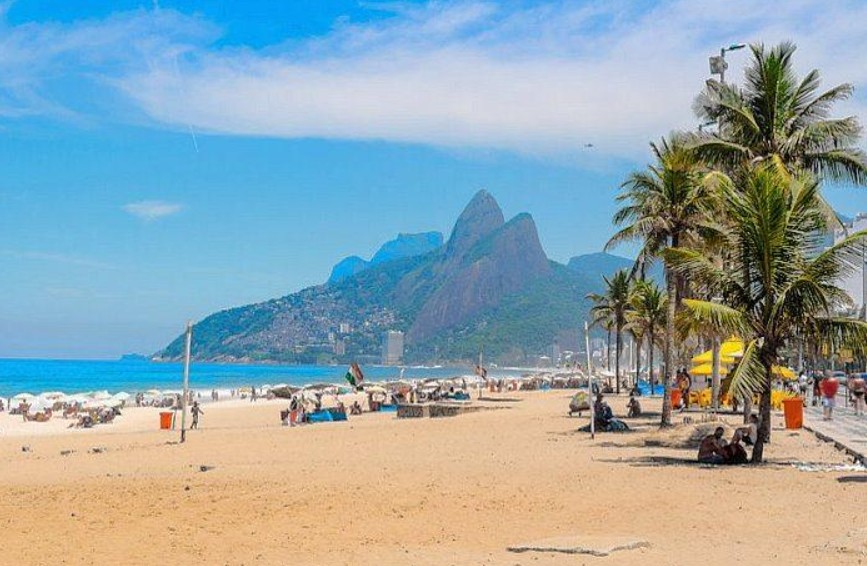
Time needed: 7–12 days. Safety tip: Stick to well-traveled areas, use rideshares at night, and ask your accommodation which routes are best for walking.
5) Colombia: Medellín + coffee region + Cartagena
Best for: A mix of cities, mountain towns, and Caribbean coastline. Medellín is known for its springlike weather and modern transit, with excellent day trips. The coffee region delivers green hills and farm stays, while Cartagena offers colorful streets and nearby islands for beach time.
Time needed: 10–16 days for a three-stop itinerary. Don’t rush: Include buffer days because domestic flights can be delayed, and moving between regions takes longer than it looks on a map.
6) Ecuador: Quito + cloud forest + Galápagos (optional)
Best for: Compact diversity. Ecuador is small enough that you can experience Andean culture, cloud forest wildlife, and Pacific coast vibes in one trip. If your budget allows, add the Galápagos for a wildlife experience that feels like a nature documentary—best planned in advance.
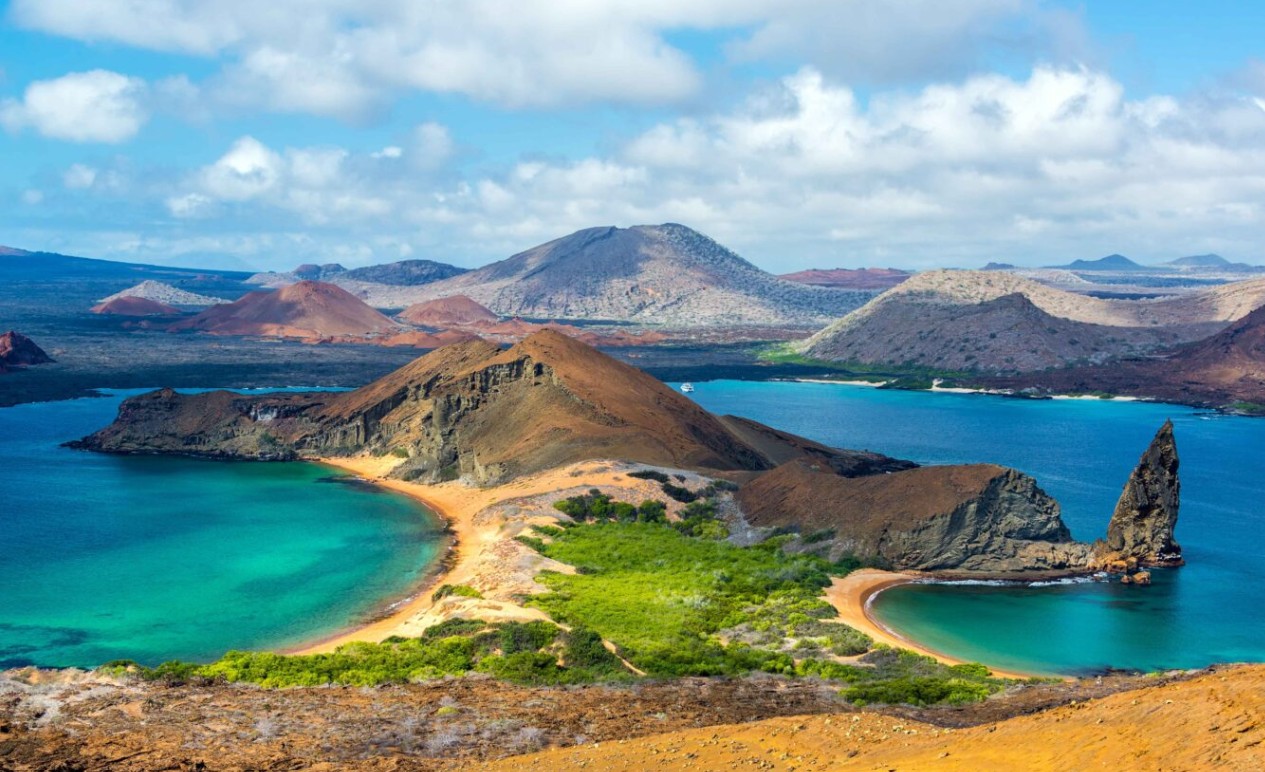
Time needed: 7–12 days without Galápagos; add 5–8 days if you include it. Altitude note: Quito sits high—take it easy the first day.
7) Bolivia: Salar de Uyuni + La Paz
Best for: Surreal scenery and adventurous routes. Salar de Uyuni is otherworldly, especially after rains when the salt flats become a mirror. La Paz is intense and fascinating, with cable cars that double as sightseeing rides. Bolivia can be budget-friendly, but roads and tour schedules require flexibility.
Time needed: 5–9 days. Travel tip: Pick a reputable tour for Uyuni and pack layers—temperatures drop sharply at night.
8) Chile: Santiago + Valparaíso + Atacama Desert
Best for: Urban base plus extreme landscapes. Santiago makes a strong hub for day trips and wine regions. Valparaíso adds street art and coastal views. The Atacama Desert is the showstopper: salt lagoons, geysers, stargazing, and lunar-like valleys.
Time needed: 8–14 days. Cost note: Chile can be pricier than some neighbors, but transport infrastructure is smooth.
9) Uruguay: Montevideo + Punta del Este (or quieter beach towns)
Best for: A calmer, easygoing add-on. Uruguay pairs nicely with Buenos Aires via ferry. Montevideo is laid-back with waterfront rambles and markets, while Punta del Este offers beach glamour. If you prefer quieter sand and smaller towns, consider alternative coastal spots that fit your pace.
Time needed: 4–8 days. Perfect for: Travelers who want a break from big-city intensity.
10) Guyana / Suriname: Rainforest adventures off the classic route
Best for: Travelers who’ve done the highlights and want something different. These countries can offer jungle lodges, river journeys, and multicultural cities with fewer crowds. Logistics vary, so plan carefully and build in time for transport.
Time needed: 7–14 days. Best approach: Choose one base area and explore deeply rather than hopping around.
Itinerary ideas (10 days to 6+ weeks)
10 days: Peru highlights (Lima + Cusco region)
- Days 1–2: Lima neighborhoods, food tour, coastal walk.
- Days 3–5: Cusco acclimatization + day trips.
- Days 6–8: Sacred Valley (Pisac/Ollantaytambo) + train to Machu Picchu.
- Days 9–10: Buffer day + fly out.
Why it works: Minimal long transfers, good altitude pacing, and a mix of culture and scenery.
2 weeks: Colombia trio (Medellín + coffee region + Cartagena)
- Days 1–5: Medellín + day trips (parks, viewpoints).
- Days 6–9: Coffee towns and farm experience.
- Days 10–14: Cartagena + island day trip.
Why it works: A balanced route with climate variety, and you finish with the coast.
2–3 weeks: Argentina classics (Buenos Aires + Mendoza + Iguazú Falls)
This itinerary adds a “wow” nature stop without turning your trip into a marathon. Spend time in Buenos Aires, relax in Mendoza, then add Iguazú for one of the continent’s most dramatic waterfall systems.
3 weeks: Chile north + central (Santiago/Valparaíso + Atacama)
- Days 1–6: Santiago base + wine day trip + Valparaíso.
- Days 7–15: Fly to Atacama; tours to lagoons, geysers, and stargazing nights.
- Days 16–21: Flexible extension: another wine region, coastal chill, or extra desert days.
4–6 weeks: The “south-to-north” slow loop
If you have time, slow travel is the best way to enjoy the south america best destinations without burning out. One classic approach is to start in Patagonia, move north through Argentina/Chile hubs, then hop to Peru or Colombia for warmer weather at the end.
- Weeks 1–2: Patagonia highlights (El Calafate/El Chaltén or Torres del Paine).
- Week 3: Buenos Aires + food and neighborhoods.
- Week 4: Mendoza or Santiago + wine regions.
- Weeks 5–6: Peru or Colombia for culture + coast.
Cost guide: daily budgets and big-ticket expenses
Costs vary a lot by country, season, and how far you move. Use these as planning ranges rather than exact prices. Always add a cushion if you’re traveling during peak holiday periods.
Daily budget ranges (per person)
- Budget style: Hostels/guesthouses, local meals, buses, a few paid tours.
- Mid-range: Private rooms or boutique stays, mix of local and nicer restaurants, flights when they save time.
- Comfort: High-end hotels, frequent flights, private guides for key days, premium experiences.
Typical “big-ticket” items to plan for
- Domestic flights: Useful for saving time on long distances; book earlier for popular routes.
- Multi-day treks / national parks: Patagonia and some Andean routes can add notable costs.
- Iconic wildlife trips: Amazon lodges and Galápagos cruises/tours can be major budget pieces.
- Travel insurance: Especially important for hiking and remote areas.
Transport tips that save time and stress
South America travel is a mix of modern airports, long scenic roads, and routes where weather dictates everything. A few habits make trips smoother:
- Use flights strategically: Fly when overland travel is 15+ hours and doesn’t add meaningful stops.
- Plan daylight arrivals: Especially in unfamiliar cities—easier, safer, and less stressful.
- Leave buffer days: Weather delays happen in Patagonia, and road travel can be slower than expected.
- Pack for microclimates: You may need sun protection and a warm layer in the same week.
Safety, health, and money: practical advice
Staying safe without paranoia
Most trips go smoothly, but it pays to be street-smart. Keep phones and passports secured, avoid displaying expensive jewelry, and choose transport options recommended by your accommodation. In nightlife areas, use rideshares or licensed taxis. In nature regions, follow trail guidance and let someone know your plan if you’re hiking independently.
Altitude and climate basics
High-altitude destinations (like parts of Peru and Bolivia) can affect anyone. Build in a light first day, avoid overexertion, and consider talking to a clinician about altitude meds if you have concerns. For tropical regions, prioritize mosquito protection, breathable clothing, and hydration.
Money habits that help
Carry a mix of payment methods. A no-foreign-transaction-fee card plus a backup card is ideal. Keep some cash for small towns and markets, but avoid carrying large amounts all at once. ATMs are common in cities, but can be limited in remote areas—plan ahead.
When to go: seasonal notes by region
There’s no single “best time” for the entire continent. Think in regions:
- Andes (Peru/Bolivia/Ecuador highlands): Often best in drier months; rainy season can affect trails and visibility.
- Patagonia: Best in warmer months; shoulder season can be quieter but weather is unpredictable.
- Amazon: Year-round wildlife, but water levels and rainfall change the experience.
- Caribbean and Pacific coasts: Watch for rainy seasons and holiday crowd spikes.
How to build your personal route (a simple framework)
Here’s a planning method that works for most travelers:
- Choose 2–3 anchor regions that match your priorities (culture, nature, beaches).
- Map travel time between them using realistic transfer days.
- Add 1–2 “flex days” for rest, delays, or spontaneous plans.
- Book the non-negotiables first (limited permits, peak-season stays, marquee tours).
- Leave breathing room so you’re not racing every morning.
Common mistakes (and how to avoid them)
- Trying to do too many countries: Pick fewer places and enjoy them deeply.
- Ignoring altitude: Build in acclimatization days early.
- Underestimating distances: A “quick bus” can turn into a full-day journey.
- Overplanning every hour: Weather, strikes, and local events can shift plans—flexibility is a superpower.
Sample packing checklist for multi-climate trips
- Light rain jacket + warm layer (Patagonia/Andes evenings)
- Breathable tops and sun protection (high UV in many regions)
- Comfortable walking shoes + sandals
- Reusable water bottle, small daypack, and a power adapter
- Basic first-aid kit and any personal medications
You Might Also Like: South America Digital Nomad Destinations Worth Living In
With a smart route, the continent feels less like a checklist and more like a story you get to live—one neighborhood, trail, and sunset at a time. Use this guide to match your priorities to real travel times, then book the key pieces early. If you keep your itinerary focused and flexible, you’ll experience the south america best destinations in a way that feels spacious, safe, and genuinely memorable.