Building a south america packing list is different from packing for a single-country holiday. In one trip, you might hike windy Andean passes, sweat through Amazon humidity, and end your day in a cool coastal city. The goal isn’t to bring everything—it’s to bring the right layers, fabrics, and systems so you can adapt fast, stay comfortable, and avoid baggage regret.
Why South America Feels Like Several Trips in One
South America spans huge latitudes and dramatic elevation changes. Altitude can turn a sunny afternoon into a cold evening within minutes, while tropical regions can stay warm but shift from dry to torrential rain quickly. Add overnight buses, mixed accommodation styles, and long travel days, and your packing strategy matters as much as your itinerary.
Instead of packing by “country,” pack by conditions: temperature swings, precipitation, altitude, and activity level. A flexible capsule wardrobe plus a few trip-specific items beats bulky, single-use outfits every time.

Quick Planning Checklist Before You Pack
- Map your climates: high Andes, rainforest, desert, coast, Patagonia-style wind, or a mix.
- Check elevation: cities like La Paz, Cusco, Quito, and many trekking hubs are high.
- Decide your laundry rhythm: every 3–5 days is realistic in most travel routes.
- Choose your luggage style: backpack for frequent transfers; suitcase for base-city travel.
- Plan for transport: overnight buses and budget flights influence comfort and security needs.
South America Packing List Essentials: The Must-Haves
To keep your bag light, treat this section as the non-negotiable core of your south america packing list: reliable layers, one rain system, comfortable shoes, and a simple organization method. Everything else is optional and should earn its space by being used often.
The Core System: Layers Over Bulk
If you take only one idea from this guide, make it this: pack layers that work together. Layers let you cover hot, mild, and cold conditions with fewer total pieces.
Base Layers: Comfort Against Skin
Bring 2–3 breathable tops that dry fast. Merino or synthetic blends manage sweat well and resist odor. Cotton feels nice, but can stay wet and chilly at altitude. For bottoms, consider one lightweight hiking pant and one pair of travel trousers that work in cities.
Mid Layers: Warmth You Can Add or Remove
A mid layer is your “temperature knob.” A fleece or light insulated jacket works across elevations. Pick something you can wear on buses, during early-morning walks, and under a shell when it rains.
Outer Layers: Wind and Rain Protection
A packable waterproof shell (jacket with hood) is essential for multi-climate routes. Many places get sudden storms, and wind can make moderate temperatures feel cold. If you’re heading south or trekking, wind resistance is just as important as waterproofing.
Clothing Capsule: A Smart Packing Formula
Use this as a starting point, then adjust up or down based on your laundry plan and trip length. For a typical multi-week route, this setup keeps you covered without overpacking.
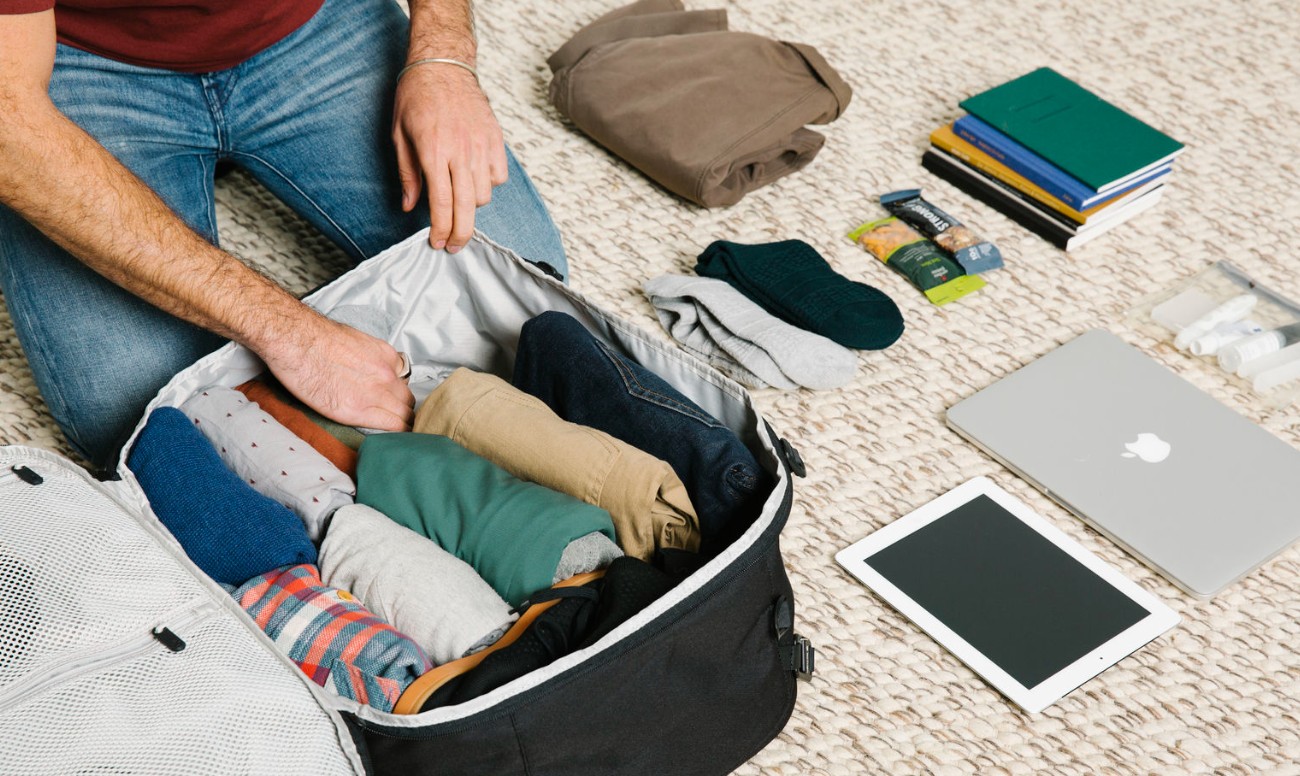
Tops
- 3–4 quick-dry t-shirts or sun shirts
- 1 long-sleeve shirt (sun protection + cooler evenings)
- 1 nicer top for city dinners or social nights
- 1 base-layer top (merino or thermal) if you’ll hit altitude or cooler seasons
Bottoms
- 1 lightweight hiking pant (zip-off optional)
- 1 travel pant or jeans alternative (more versatile than heavy denim)
- 1 pair of shorts (or a skirt) for warm regions
- 1 base-layer bottom/leggings for cold mornings or sleeping
Underwear and Socks
- 5–7 pairs of underwear (quick-dry helps)
- 3–5 pairs of socks: mix of light and warmer pairs
- Optional: 1–2 sports bras or supportive tops if you plan active days
Sleepwear
Keep it simple: one set that can double as loungewear. On overnight buses, clean sleepwear also makes you feel more human after long travel days.
Footwear: The “Two Shoes + Sandals” Rule
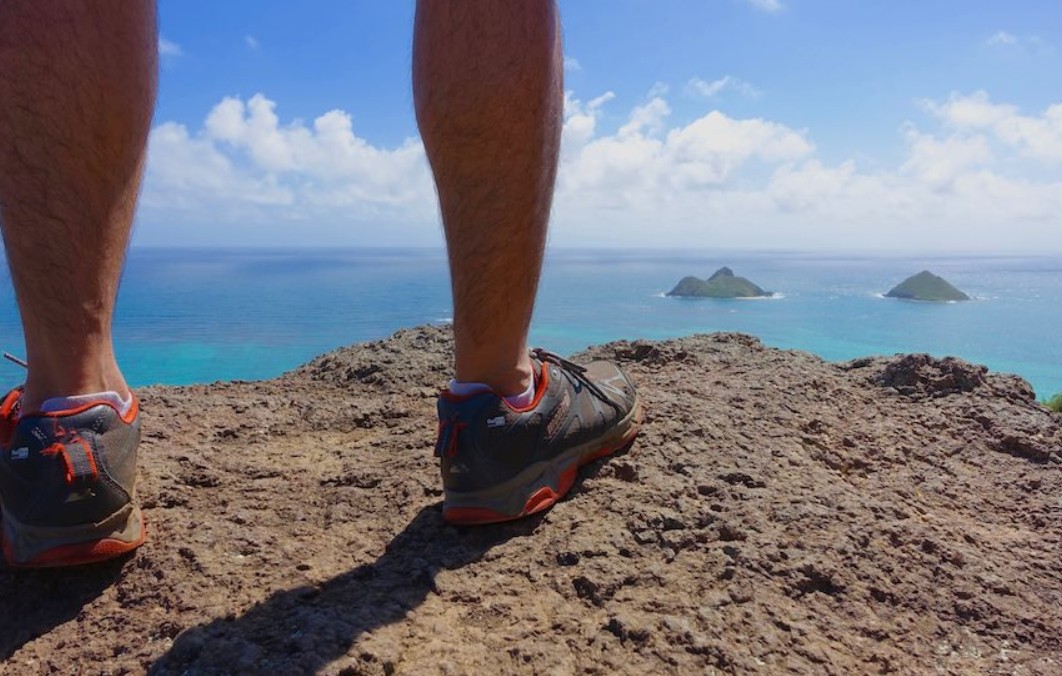
Footwear is where many travelers overpack. For most routes, two pairs plus optional sandals is ideal.
- Primary walking shoe: trail runners or comfortable sneakers with good grip.
- Secondary shoe: a lighter pair for cities or a sturdier hiking boot if you’re doing multi-day treks.
- Sandals/flip-flops: for showers, beaches, and letting your feet breathe.
If you’re trekking in wet or snowy conditions, consider waterproof shoes, but remember they can dry slowly. Many hikers prefer quick-drying trail runners paired with good socks.
Accessories That Make the Difference
Sun and Altitude Protection
At altitude, UV exposure can be intense even when it’s cold. Pack a wide-brim hat or cap, sunglasses with proper UV protection, and sunscreen. A light neck gaiter or buff is useful for wind, dust, and chilly mornings.
Warmth Add-ons
A beanie and lightweight gloves take almost no space but can save your hands and ears in mountain towns. These small items often matter more than an extra sweater.
Rain and Humidity Helpers
A compact umbrella can be surprisingly useful in cities, while a rain cover for your backpack keeps gear dry. In humid regions, choose breathable fabrics and keep a small microfiber towel on hand.
Rainforest and Wet Season Packing Tips
For Amazon regions, coastal rain zones, or wet seasons, focus on quick-drying and bug protection rather than heavy rain gear.
- Light long sleeves and pants for mosquito-prone areas
- Insect repellent and after-bite relief
- Waterproof pouch or dry bag for phone and documents
- Extra socks (wet feet are morale killers)
Closed shoes with ventilation can help on muddy paths. If you join jungle tours, ask whether rubber boots are provided—many operators supply them, which can save luggage space.
Andes and High-Altitude Packing Tips
High-altitude destinations can be sunny but cold, with big daily swings. Layering is key, and you’ll appreciate items that block wind.
- Thermal base layer (top and/or bottom)
- Insulating mid-layer (fleece or light puffer)
- Waterproof/windproof shell
- Warm hat and gloves
- Hydration bottle (altitude air is dry)
If you plan to trek, also pack blister care, trekking socks, and a small daypack. For context on the geography that shapes these conditions, places like the Andes mountain range influence weather patterns across much of the continent.
Desert, Coast, and Windy South: What Changes
Desert regions can be hot in the day and cold at night. Coastal cities may feel mild but breezy. Farther south, winds can be relentless, and temperatures can drop quickly even in the shoulder seasons.
- Lightweight long-sleeve for sun and evening chill
- Wind-resistant outer layer
- Moisturizer and lip balm (dry air + wind)
- Optional: lightweight thermal for cold nights
If your route includes the far south, you’ll likely encounter conditions associated with Patagonia—expect variable weather and plan for sudden shifts.
Toiletries: Pack Light, Refill Often
Most towns and cities have pharmacies and supermarkets, so you don’t need to carry full-size bottles. Bring a streamlined kit and refill along the way.
- Toothbrush, toothpaste, deodorant
- Razor or grooming essentials
- Travel-sized shampoo/soap or solid bars
- Sunscreen (buy more as needed)
- Small first-aid kit (bandages, antiseptic wipes)
Health Add-ons Worth Considering
Include any personal medications and a small set of basics: pain relief, antihistamine, anti-diarrheal, and rehydration salts. If you’re sensitive to altitude, talk with a clinician before your trip about options and acclimatization guidance.
Tech and Power: Stay Charged and Secure
Tech needs vary by travel style, but most travelers do well with a simple setup:
- Phone + charging cable
- Compact power bank
- Universal travel adapter (check your destinations)
- Optional: lightweight laptop or tablet if you work remotely
Pack electronics in your carry-on, and use a small cable organizer so you’re not digging through your bag at every hostel outlet.
Documents and Money: Low Stress Organization

Keep your essentials accessible and backed up:
- Passport + a photocopy (paper and digital)
- Travel insurance details
- Payment cards + a small amount of cash
- Emergency contacts
A slim neck pouch or hidden wallet can be useful in crowded transport hubs, but don’t rely on it as your only security layer. The best protection is awareness and smart routines.
Packing for Overnight Buses and Budget Flights
Overnight buses are common on many routes and can be comfortable if you prepare. Budget flights often limit carry-on and checked baggage, so keep weight and dimensions in mind.
Bus Comfort Kit
- Light jacket or shawl (buses can be cold)
- Eye mask and earplugs
- Reusable water bottle
- Snacks that won’t melt
Carry-On Strategy
Always keep: documents, meds, electronics, a warm layer, and one change of underwear in your carry-on. Delays happen, and having “survival basics” makes them easier.
Women’s Packing Notes for Mixed Climates
If you prefer a streamlined wardrobe, consider one dress that layers well (with leggings and a jacket). A scarf can act as a wrap, warmth layer, or modesty cover in certain settings. For period care, pack your preferred supplies for at least the first week—availability varies by region and brand.
Men’s Packing Notes for Mixed Climates
Two versatile pants and a mix of t-shirts plus one collared shirt can cover most situations. Choose neutral colors so everything mixes easily. If you bring a belt, pick one that works with both casual and slightly nicer outfits.
What Not to Pack (Most of the Time)
It’s tempting to pack for every possible scenario, but most overpacking comes from “just in case” items. Here are common space-wasters:
- Multiple heavy jeans (one is usually enough, and often none is better)
- Bulky coats that don’t layer well
- Too many shoes (they eat space fast)
- Large toiletries that can be bought locally
- Single-purpose outfits you’ll wear once
Sample Packing List by Climate Mix
Use these examples to fine-tune your own plan. They’re not strict rules—think of them as templates.
Template A: Andes + Rainforest + Cities
- 4 quick-dry tops, 1 long-sleeve, 1 nicer top
- 1 hiking pant, 1 travel pant, 1 shorts
- Thermal base layer, fleece, shell jacket
- Trail runners + sandals
- Bug repellent, dry bag, beanie and gloves
Template B: Coast + Desert + Short Treks
- 3–4 lightweight tops, 1 long-sleeve sun shirt
- 1 travel pant, 1 hiking pant, 1 shorts
- Light mid-layer, windproof shell
- Sneakers/trail runners + city shoe (optional) + sandals
- Lip balm, moisturizer, sunglasses
Template C: Patagonia-Style Route + Hiking Focus
- Base layers, fleece, insulated jacket, waterproof shell
- Hiking pants + warm leggings
- Wool socks, beanie, gloves, buff
- Sturdy footwear, trekking poles (often rentable)
How to Pack It All: Practical Organization
Organization is the difference between a bag you love and a bag you resent. Packing cubes keep clothing separated by type and make hostel life easier. Put “daily grab” items—rain shell, snacks, water—near the top. Keep a small laundry bag so clean clothes stay clean.
For liquids and spill risks, double-bag them. For documents, use a zip pouch that can be moved quickly between bags during transfers. These small habits reduce stress during long travel days.
Mid-Trip Repacking: Adjust as You Go
Your first week is a learning phase. You’ll notice what you never wear and what you keep reaching for. If you’re passing through major cities, consider donating unused clothing or mailing items home. The best travelers aren’t the ones who pack perfectly on day one—they’re the ones who adapt.
Revisit your south america packing list after the first climate shift. If you’re sweating daily, swap a heavy item for an extra quick-dry top. If you’re cold at night, add a thermal layer rather than another bulky sweater.
Budget-Friendly Packing: Save Money Without Sacrificing Comfort
You don’t need premium gear to travel well, but you do need smart choices. Prioritize the items you use every day: shoes, a rain shell, and a warm layer. For everything else, go practical and versatile.
If you’re traveling long-term, consider how packing affects your budget: heavier luggage can mean extra airline fees, and poorly chosen gear can lead to replacement purchases on the road. A balanced, flexible kit often ends up being the cheaper option.
Final Pre-Departure Check
- Try on your full layering system once, including shoes.
- Walk for 20 minutes in your main footwear to confirm comfort.
- Weigh your bag if you have flights with strict limits.
- Scan documents and store backups securely.
- Pack one outfit in your carry-on that works for both warm and cool weather.
You Might Also Like: Backpacking South America on a Budget: How Much You Really Need per Month
With the right layers, a few comfort essentials, and a clear plan for laundry and transfers, your south america packing list becomes a tool—not a burden. Pack for versatility, expect weather surprises, and you’ll spend more time enjoying the continent and less time wishing you’d packed differently.