South America’s big-name cities—Buenos Aires, Rio, Lima—deserve their fame. But if you’re the kind of traveler who plans a day around the best market lunch, the neighborhood festival, and a late-night dessert run, the real magic often lives one stop away from the spotlight. This guide to underrated cities in South America is written for culture and food lovers who want deeper conversations, regional flavors, and the feeling of discovering something before it turns into a trend.
Rather than chasing “top 10” lists, you’ll find destinations where traditions are still everyday life: colonial streets that are actually lived in, museums that locals visit on their lunch break, and cafés where the owner remembers your order by day two. You’ll also get practical tips—how long to stay, what to eat, when to go, and how to travel responsibly—so the trip feels effortless, not like a research project.
Why the Best Meals Are Often Off the Beaten Path
In many countries, the most famous city is also the most international. That can be wonderful, but it sometimes smooths the edges that make a cuisine feel distinct. Smaller and mid-sized cities tend to preserve regional cooking methods, seasonal ingredients, and food rituals that are part of family life. You might eat a soup that’s only made during a specific festival week, or taste cheese from a valley that’s too small to export at scale.
Culture also becomes more participatory. It’s easier to join a dance workshop, catch a neighborhood parade, or chat with artisans about their craft when the city isn’t packed with tour buses. And because prices are often lower, you can say yes to the cooking class, the museum combo ticket, and the “one more snack” without guilt.
How to Choose Underrated Cities in South America
Not every lesser-known destination is “underrated” for the same reason. For culture-and-food travel, look for these signals:
- A strong local market culture: daily mercados, weekend fairs, or seafood docks.
- Regional dishes with identity: a city that’s proud of its own specialties, not just “national food.”
- Walkable historic core + modern neighborhoods: you want both heritage and everyday life.
- Easy access to day trips: vineyards, hot springs, craft villages, or national parks.
- A calendar of festivals: music, religious celebrations, harvest events, or food weeks.
One more note: “underrated” should never mean “unprepared.” Always check current local guidance, respect community norms, and budget time for altitude or climate adjustment when needed.
Quick Planning Tips for a Food-and-Culture Itinerary
- Stay 2–4 nights per city: one day to orient, one for food exploration, one for culture + a day trip.
- Book one anchor experience: a cooking class, a museum tour, or a market walk. Build around it.
- Eat by neighborhood: choose one area per meal to avoid spending the day in transit.
- Learn 10 local phrases: greetings, “What do you recommend?”, and how to ask about ingredients.
- Pack for microclimates: Andean cities can be sunny at noon and jacket-cold at night.
9 Underrated Cities in South America for Culture and Food
When you stitch together a route of underrated cities in South America, think in “flavor regions” rather than borders: the Andes for hearty stews and highland markets, the Southern Cone for wine and slow dinners, and Brazil’s interior for comfort food and baroque heritage.
Below are nine places that consistently surprise travelers who care about taste and tradition. They span the Andes, the Southern Cone, and Brazil’s historic interior—each with a distinct culinary accent and cultural rhythm.
1) Arequipa, Peru: White Stone, Deep Flavors
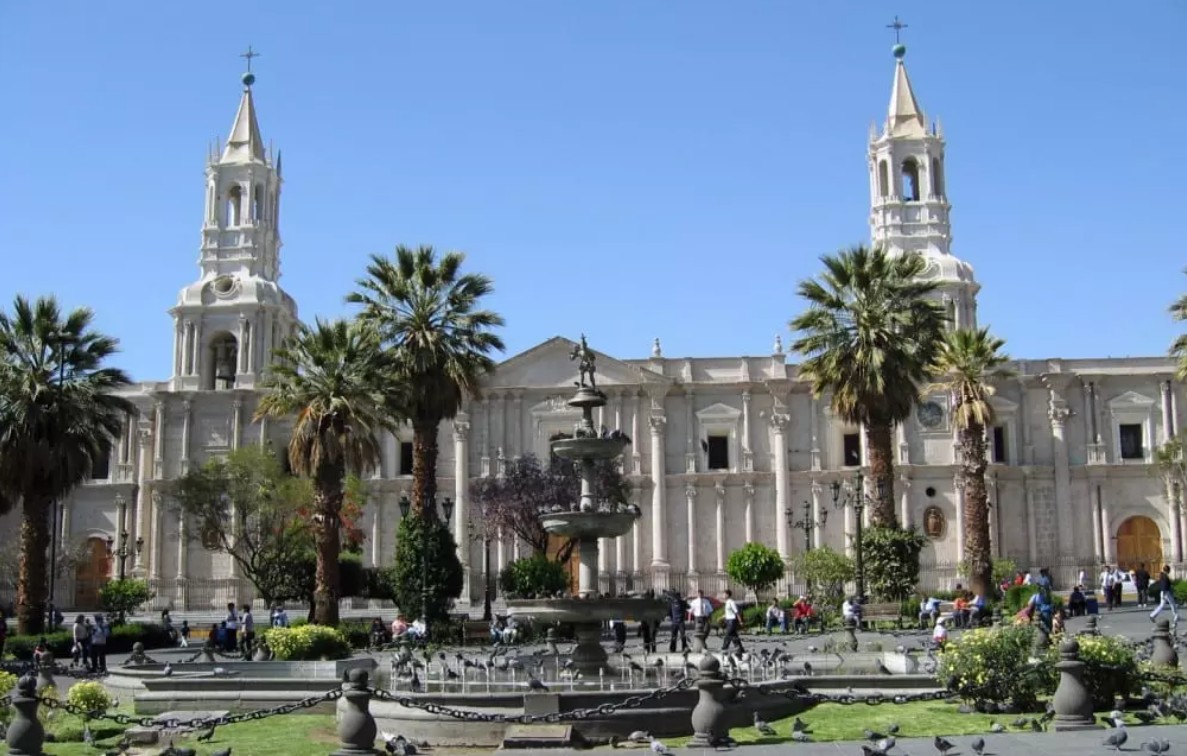
Arequipa is a city of bright volcanic stone, dramatic mountain views, and one of the most confident regional cuisines in Peru. It’s famous inside the country for its “picanterías”—traditional eateries where recipes are treated like heritage. The result is food that’s bold, filling, and proudly local, not a copy of what you ate in Lima. Arequipa’s historic center is also a UNESCO-listed area, and the city’s museums and churches make an easy cultural pairing with long lunches. Visit the background and history here: Arequipa.
What to Eat
- Rocoto relleno: spicy pepper stuffed with meat, often baked with cheese.
- Adobo arequipeño: a rich, slow-cooked pork stew that’s especially common on weekends.
- Queso helado: a cinnamon-and-coconut style dessert that’s more tradition than ice cream.
Cultural Bites
- Start at the main plaza and wander the white-stone streets at golden hour.
- Pair a museum visit with a picantería lunch to feel the “old city” and “living city” in one day.
How Long to Stay
3 nights is ideal: one for the historic center, one for picanterías and markets, and one for a nearby nature day trip.
2) Sucre, Bolivia: Sweet Cafés and Colonial Calm
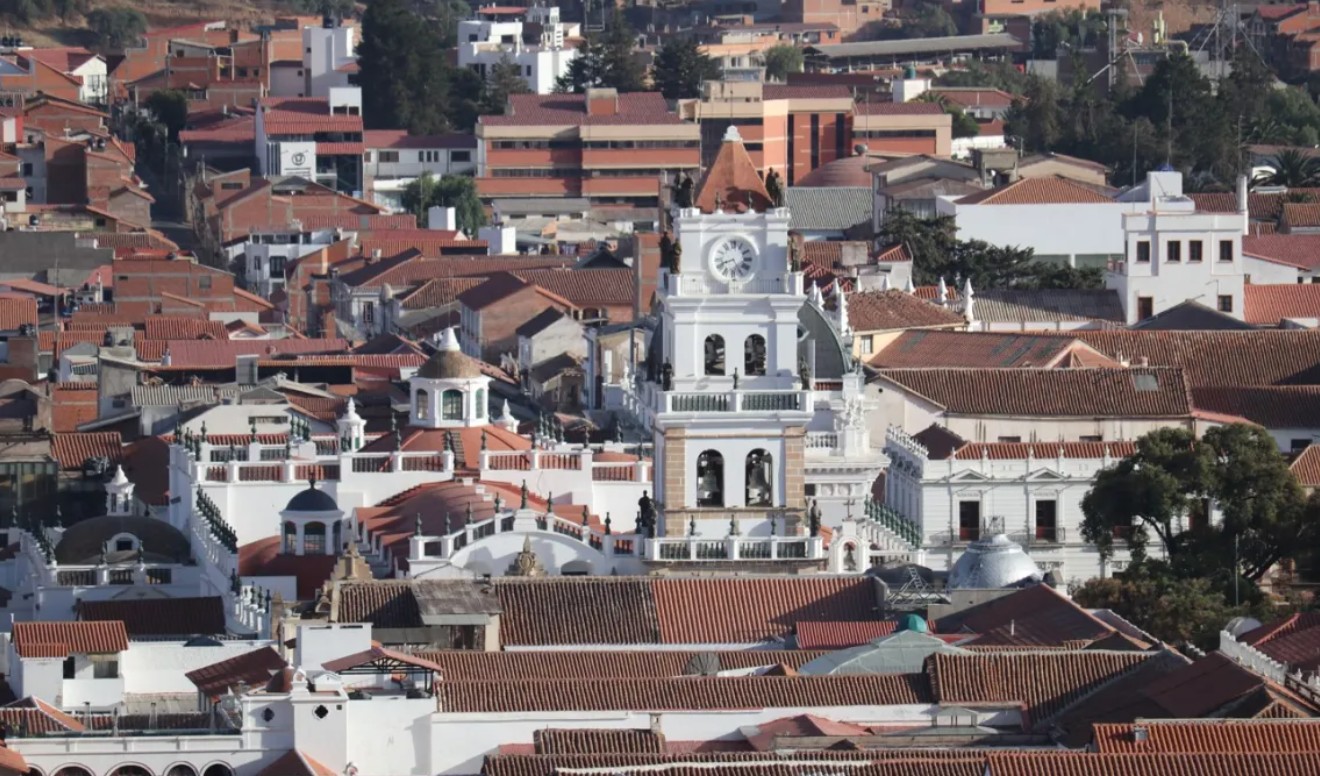
Bolivia’s constitutional capital is a graceful, whitewashed city with a student energy that keeps it lively without feeling chaotic. Sucre’s colonial architecture is a backdrop for museums, artisan workshops, and a café scene that makes slow mornings feel like the point of the trip. It’s also a strong base for understanding Bolivia’s diverse identity—Indigenous influences, colonial history, and modern creativity layered together.
What to Eat
- Salteñas: juicy baked pastries with meat and a slightly sweet dough.
- Chocolate and desserts: look for local brands and gift-worthy sweets.
- Api and buñuelos: warm corn drink with fried dough—perfect in the evenings.
Cultural Bites
- Browse artisan markets for textiles and handicrafts with regional patterns.
- Plan one museum afternoon, then spend the evening in a plaza with street snacks.
How Long to Stay
2–3 nights. Sucre is compact, but you’ll want time for cafés, museums, and an unhurried market morning.
3) Cochabamba, Bolivia: A Quiet Capital of Comfort Food
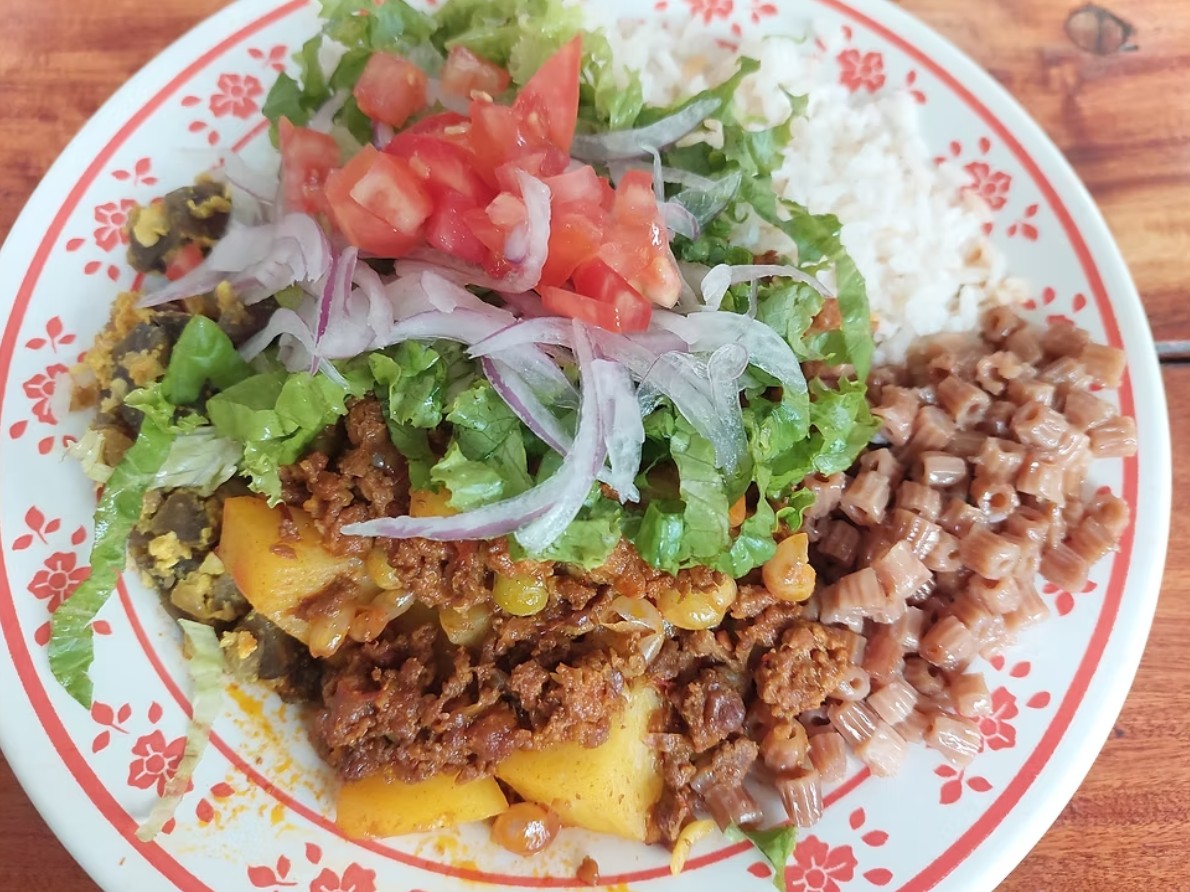
If you ask Bolivians where to eat well, Cochabamba comes up again and again. It’s not always on international itineraries, but it has a reputation for generous portions, family-run restaurants, and everyday dishes that feel like home cooking. The vibe is relaxed, and that’s exactly why it works for food lovers: you’re here to taste, not to rush between sights.
What to Eat
- Silpancho: a hearty plate of rice, potatoes, meat, and a fresh topping.
- Picante de pollo: chicken in a spicy sauce, often served with potatoes.
- Market fruit juices: go early and try whatever is seasonal.
Cultural Bites
- Spend time in food markets and look for stalls with a lunchtime line—locals are the best reviewers.
- Use Cochabamba as a “rest city” between higher-altitude stops.
How Long to Stay
2 nights is enough for a strong food circuit plus a relaxed day.
4) Cuenca, Ecuador: Craft, Coffee, and Andean Elegance
Cuenca is the kind of city that feels instantly livable: river walks, tiled roofs, a thriving artisan culture, and a historic center that rewards aimless wandering. For culture lovers, it offers galleries, churches, and local craft traditions. For food lovers, it’s a place to slow down—sip good coffee, taste baked goods, and explore a market scene that blends mountain and coastal ingredients.
What to Eat
- Hornado: roasted pork served with sides that vary by family recipe.
- Comforting soups: perfect for cool evenings after a long walk.
- Panadería hopping: try local breads and pastries with afternoon coffee.
Cultural Bites
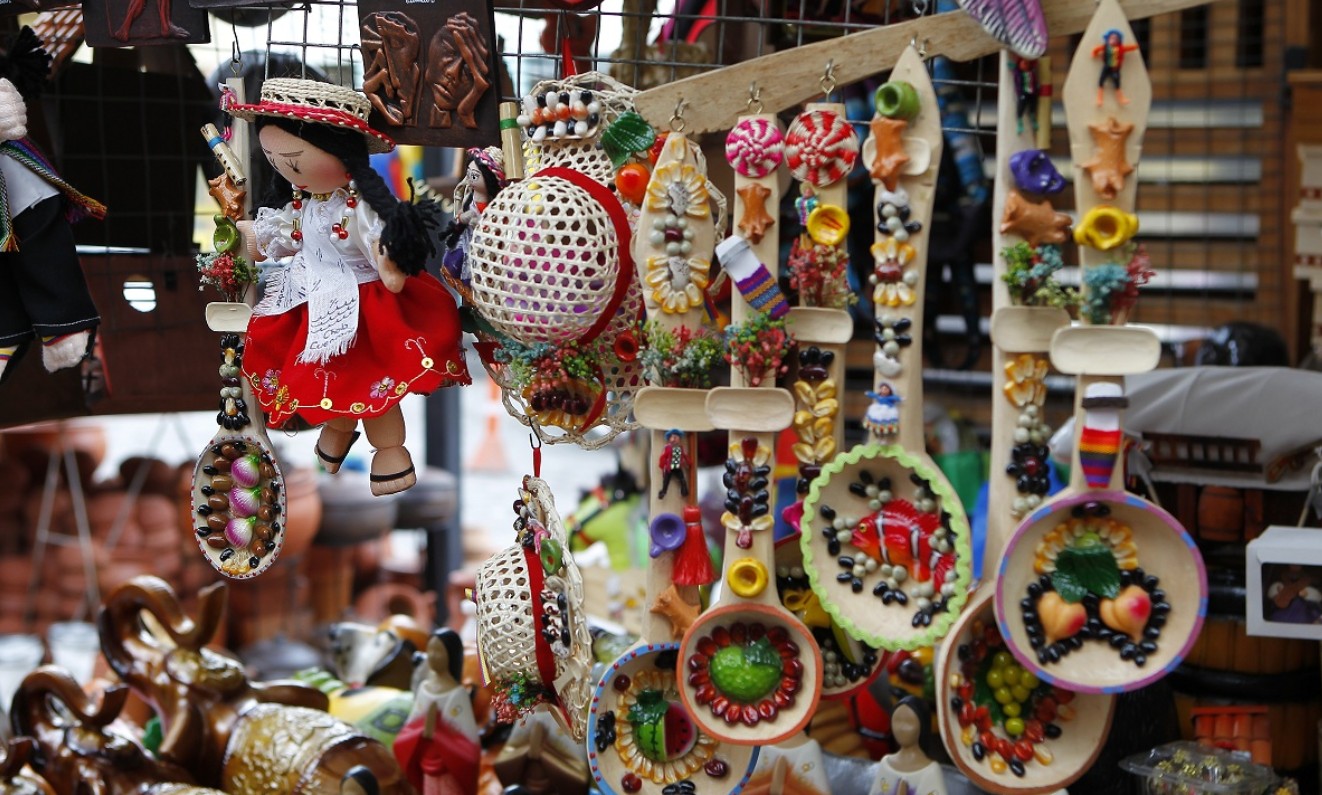
- Look for artisan workshops—hats, textiles, ceramics—where you can watch the process.
- Walk along the river at dusk, then choose a restaurant nearby for a long dinner.
How Long to Stay
3 nights: one for the historic center, one for crafts + markets, one for a nearby nature or village day trip.
5) Popayán, Colombia: White City, Big Food Traditions
Popayán is known inside Colombia for its well-preserved historic center and a proud culinary tradition rooted in family recipes. It’s a city where celebrations often involve food, and where bakeries and sweets are part of daily life. If you enjoy learning a place through its kitchens and rituals, Popayán’s calm streets and strong identity make it a rewarding stop.

What to Eat
- Empanadas and tamales: best when you eat them where locals do—simple, hot, and fresh.
- Traditional sweets: look for small shops selling regional desserts and candies.
- Regional soups: ask what’s typical that day; menus often follow the market.
Cultural Bites
- Stroll the historic center in the early morning when the city feels most intimate.
- Seek out small museums and cultural houses rather than only the “headline” attractions.
How Long to Stay
2–3 nights. It’s a perfect “slow culture” stop between bigger Colombian cities.
6) Salta, Argentina: Folk Music, Wine, and Northern Spice
Argentina’s north has a different flavor profile than the capital—earthier, more Andean, and often more openly Indigenous in its traditions. Salta delivers that identity with elegance: colonial architecture, a strong folk music scene, and access to high-altitude landscapes. For food lovers, it’s a place to try regional dishes that feel closer to Bolivia and Peru than to steakhouse Buenos Aires.
What to Eat
- Empanadas salteñas: smaller, juicier, and often spiced differently than other regions.
- Locro: a thick stew often associated with national celebrations.
- High-altitude wines: try a tasting focused on northern varietals.
Cultural Bites
- Go to a peña (folk music venue) for dinner and live performances—arrive hungry and stay late.
- Use Salta as a base for day trips into dramatic desert and mountain scenery.
How Long to Stay
3–4 nights if you want day trips; 2 nights if you’re only sampling the city and its food scene.
7) Valdivia, Chile: Rivers, Craft Beer, and Seafood Comfort
Valdivia sits in southern Chile, where rivers shape daily life, and the climate encourages cozy food: soups, seafood, and baked treats. It’s a good choice if you want a cultural stop that isn’t defined by a single “must-see,” but by a general feeling—waterfront walks, markets, and a local scene that’s easy to join. This is also a great city for travelers who like pairing meals with outdoor time.
What to Eat
- Seafood market plates: pick something simple and fresh rather than overcomplicated.
- Kuchen and pastries: Southern Chile has excellent baking traditions in many towns.
- Local brews: try a tasting flight if you enjoy craft beer culture.
Cultural Bites
- Plan a market morning, then take a riverfront stroll with snacks for the road.
- Look for small cultural venues and local events—Valdivia’s charm is often in the calendar.
How Long to Stay
2–3 nights. Add an extra day if you want nearby nature trips.
8) Colonia del Sacramento, Uruguay: Slow Streets and River Views
Colonia is a small city with a big atmosphere: cobblestones, river breezes, and a historic quarter that invites you to put your phone away. It works beautifully for food-and-culture travelers who need a breather from larger urban energy. The best plan here is simple: walk, snack, watch the light change, and treat meals like the day’s main event.
What to Eat
- Riverfront lunches: choose a spot with a view and order something local and seasonal.
- Dulce de leche treats: cafés and bakeries are your friends.
- Uruguayan parrilla: if you haven’t tried it yet, Colonia is a relaxed place to start.
Cultural Bites
- Wander the historic quarter early or late to avoid day-tripper crowds.
- Pair a museum stop with a café break—Colonia rewards slow pacing.
How Long to Stay
1–2 nights. It’s compact, but it’s worth sleeping over to experience the calm after sunset.
9) Ouro Preto, Brazil: Baroque Beauty and Minas Comfort Food
Ouro Preto is a hill town of baroque churches, steep streets, and a sense of history that feels almost theatrical—yet it’s also very much a living place with students, local cafés, and regional cooking. It’s in the state of Minas Gerais, which many Brazilians consider a comfort-food paradise: hearty dishes, beans, cheese, and sweets that taste like family lunches. Ouro Preto’s architecture has been recognized internationally, but its food culture is still underrated for many visitors. Learn more about its history here: Ouro Preto.
What to Eat
- Minas-style feijão: bean dishes that vary by household and restaurant.
- Cheese and pão de queijo: simple, iconic, and best when fresh.
- Doce de leite desserts: try them in different forms—pastries, sauces, candies.
Cultural Bites
- Visit churches and museums in the morning, then save the afternoon for cafés and slow streets.
- Plan your route with breaks—Ouro Preto is steep, and that’s part of its charm.
How Long to Stay
2–3 nights. Enough to explore the historic core, taste local specialties, and enjoy the evenings.
Sample 10-Day Route for Culture + Food Lovers
If you want a clear starting point, here’s a sample pacing-friendly route that balances Andean cities with one historic Brazilian stop. Adjust based on flights and season.
- Days 1–3: Arequipa (markets + picanterías + museums)
- Days 4–5: Sucre (cafés, museums, artisan shopping)
- Days 6–7: Cochabamba (comfort food + rest day)
- Days 8–10: Ouro Preto (baroque architecture + Minas cuisine)
Prefer the Southern Cone? Swap in Salta and Valdivia, and add Colonia del Sacramento as your “slow” finish.
How to Eat Respectfully (and Better) as a Visitor
- Ask before photographing food stalls or people. A smile and a quick question goes a long way.
- Order what’s seasonal. In market cities, the best dish is often the one that uses what arrived that morning.
- Pay attention to local meal times. Some restaurants open late; others sell out early.
- Learn ingredient basics. It helps with dietary needs and makes conversations warmer.
- Leave room for small snacks. The best bites are often between meals.
Common Mistakes to Avoid in Lesser-Known Cities
- Trying to “see everything” in one day. These places shine when you slow down.
- Skipping markets. Even a 30-minute visit can teach you the city’s flavor vocabulary.
- Not planning for altitude or weather shifts. Rest early, hydrate, and pack layers.
- Only eating at highly rated tourist spots. Ask locals where they go for everyday meals.
Most importantly, treat these destinations as communities first, attractions second. When you travel with curiosity and patience, doors open—sometimes literally, into home-style restaurants you’d never find online.
You Might Also Like: How to Get Around South America: Budget Travel Guide
There’s no single “best” itinerary for everyone, but there is a reliable pattern: the more you build your trip around local meals and everyday culture, the richer it becomes. Use this list of underrated cities in South America as a flexible menu—pick a few that match your pace, climate preferences, and curiosity, then give each enough time to surprise you. The reward isn’t just great food; it’s the feeling that you didn’t merely visit South America—you tasted it.