The Andean highlands of Peru are a cultural treasure trove, where history, tradition, and vibrant spirit intertwine in unforgettable ways. Among the most compelling aspects of this region are the indigenous festivals Andean highlands Peru proudly celebrates throughout the year. These festivals are not just events — they are immersive experiences that reveal the heart of ancient cultures, community resilience, and spiritual devotion passed down through generations.
If you’re seeking an off-the-beaten-path adventure infused with authenticity and wonder, exploring these indigenous festivals is a must. Let’s uncover some of the most unique and meaningful celebrations that define the highlands of Peru.
1. Qoyllur Rit’i – The Snow Star Festival
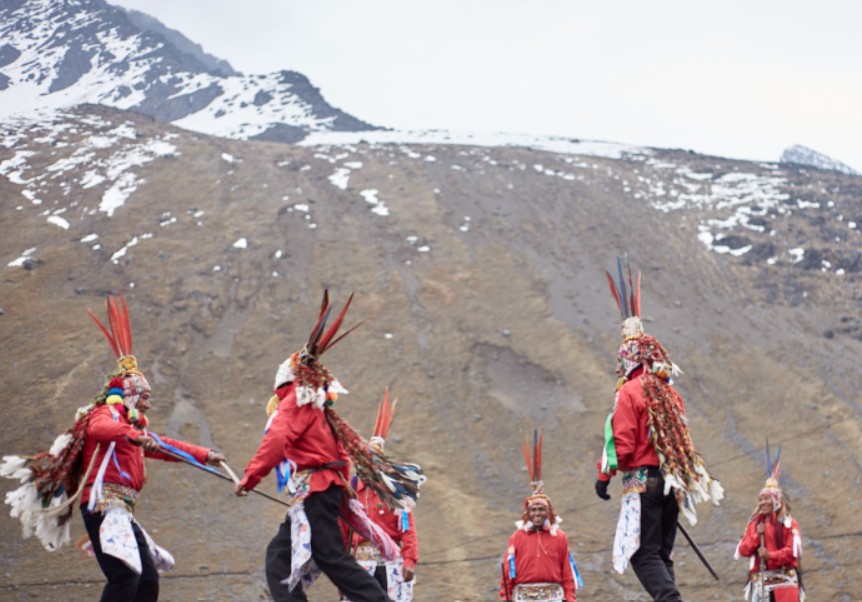
Held annually in late May or early June, Qoyllur Rit’i is one of the most spiritual and visually spectacular indigenous festivals in the Andes. Taking place near the Sinakara Valley in the Cusco region, this pilgrimage draws over 10,000 participants each year.
Devotees trek to the glacier-covered mountain at altitudes above 4,600 meters, combining Catholic and pre-Columbian beliefs. Worshippers dance in intricate costumes, many representing mythical characters such as ukukus (half-human, half-bear figures), to honor both Jesus Christ and the sacred mountain spirits known as Apus.
This festival is a unique reflection of syncretism, where Andean cosmology and Catholic traditions co-exist, offering a once-in-a-lifetime experience for culturally curious travelers.
2. Inti Raymi – Festival of the Sun

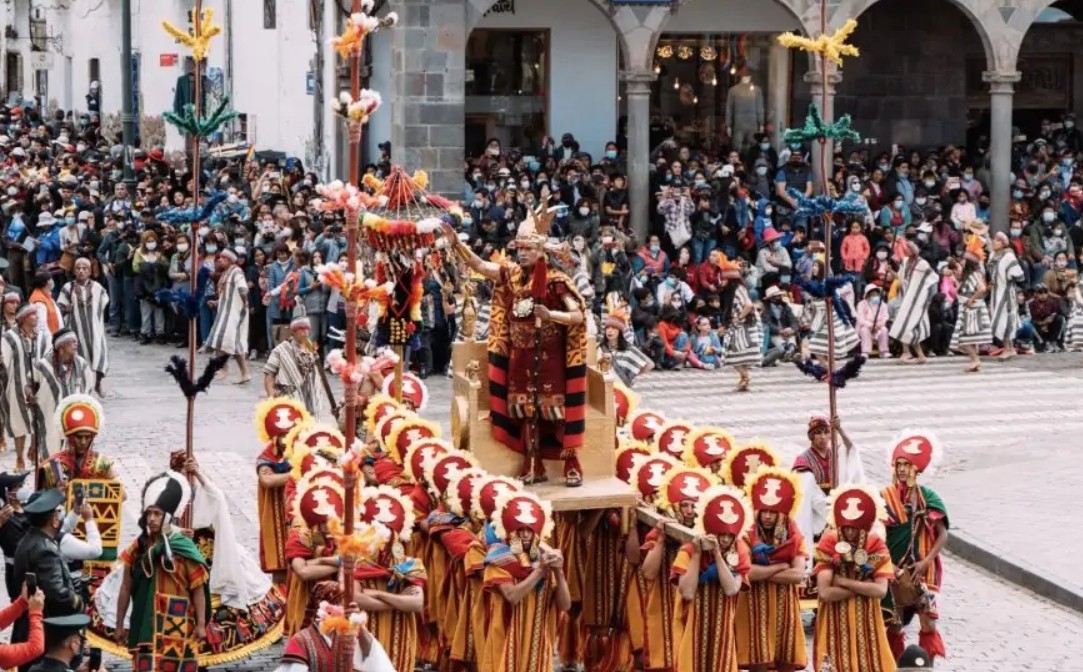
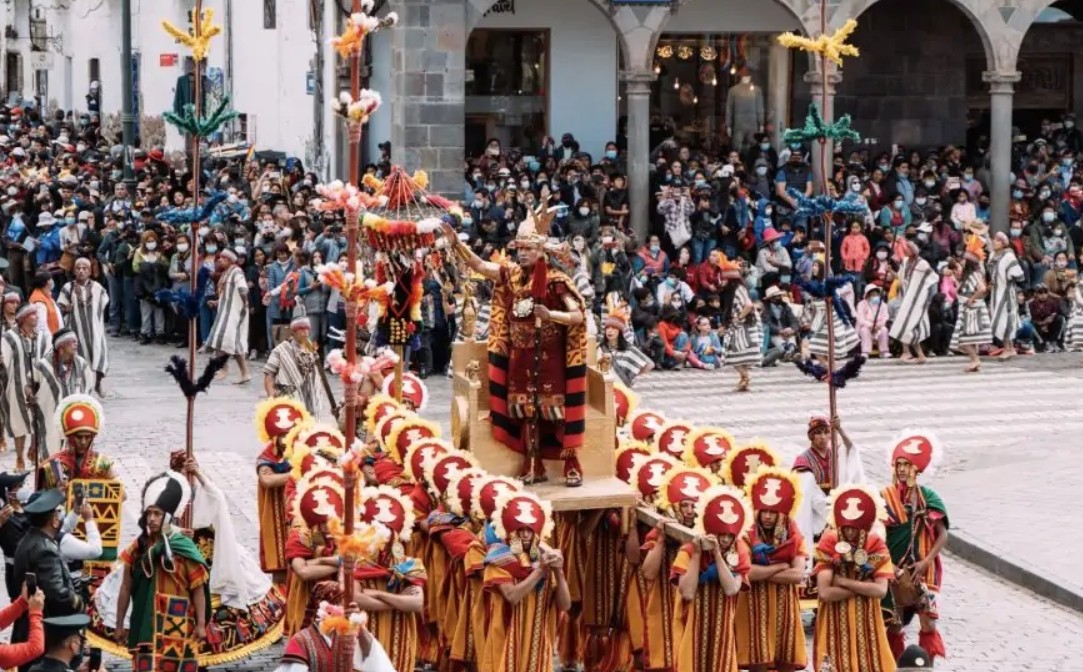
Perhaps the most famous of Peru’s indigenous festivals, Inti Raymi takes place on June 24th and celebrates the winter solstice. It was originally an Inca religious ceremony in honor of Inti, the Sun God, and has been revived as a historical re-enactment near the Sacsayhuamán ruins above Cusco.
Hundreds of actors, dancers, and musicians don traditional Inca attire to perform rituals and sacrifices symbolizing gratitude for the sun’s life-giving force. While modern-day Inti Raymi is more theatrical, its roots remain firmly grounded in the Inca worldview, making it a profound homage to indigenous heritage.
3. Virgen de la Candelaria – Puno’s Grand Fiesta
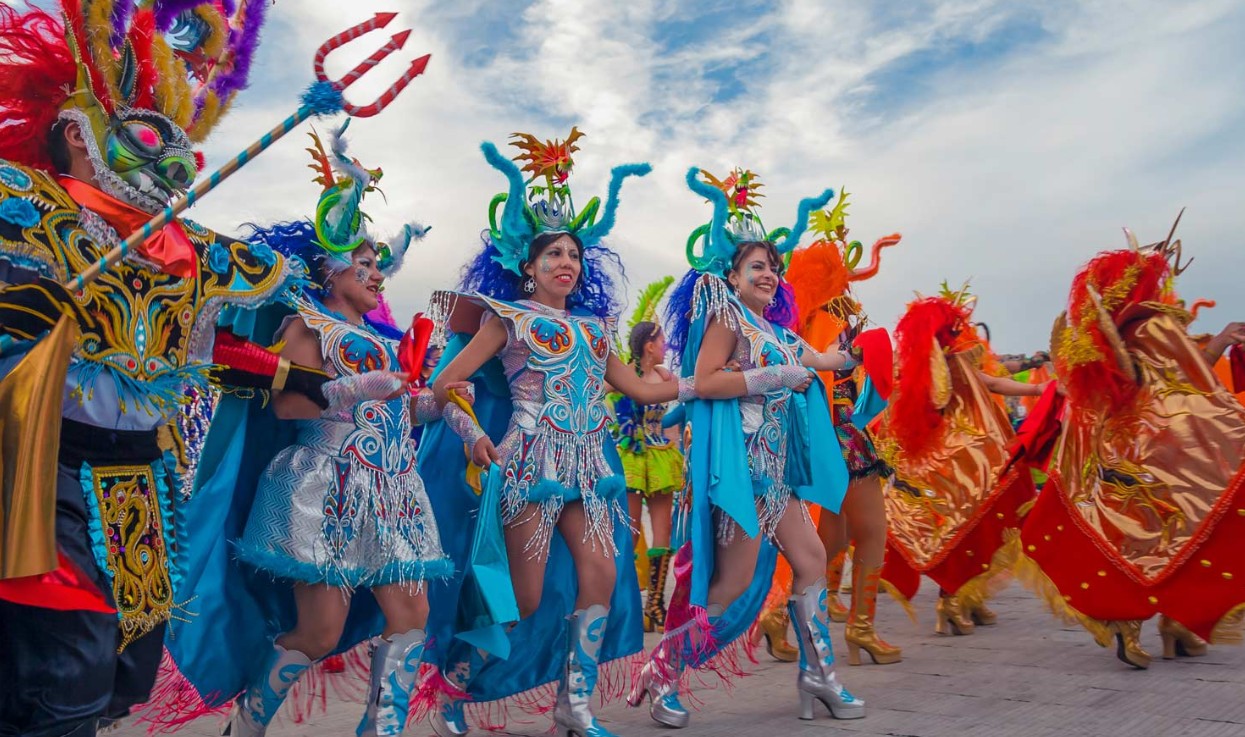
Held in February, the Fiesta de la Virgen de la Candelaria is among the largest religious and cultural celebrations in Peru. Taking place in the city of Puno on the shores of Lake Titicaca, it merges Catholic worship with Aymara and Quechua traditions.
The festival lasts over two weeks and features massive processions, elaborate folkloric dances, and dazzling costumes adorned with sequins and feathers. The fusion of indigenous and Spanish influences creates a kaleidoscope of devotion and artistic expression that attracts thousands of participants and spectators.
Recognized by UNESCO as an Intangible Cultural Heritage, this celebration is a magnificent showcase of highland identity and passion.
4. Pachamama Raymi – Festival of Mother Earth
Celebrated in early August, particularly around the city of Cusco and nearby villages, Pachamama Raymi is a deeply spiritual festival dedicated to Pachamama, the Andean goddess of Earth. In Quechua culture, Pachamama is the provider of life, fertility, and sustenance.
Communities gather to offer rituals and traditional foods to Pachamama, burying coca leaves, maize, and chicha (fermented corn drink) into the ground as symbolic offerings. While not as commercialized as other festivals, its authenticity and reverence make it one of the most genuine indigenous celebrations in the region.
It’s a beautiful example of how environmental consciousness has always been part of Andean culture, long before modern concepts of sustainability emerged.
5. Takanakuy – The Festival of Fists

In contrast to the serene offerings of Pachamama Raymi, Takanakuy is a fierce and unusual festival held every December 25th in the Chumbivilcas Province of Cusco. The name means “to hit each other” in Quechua, and that’s exactly what happens.
Locals settle grievances from the past year by engaging in ritual combat. Men, women, and even children participate, dressing in colorful costumes and masks before facing off in hand-to-hand combat. While it may appear violent to outsiders, the festival is rooted in catharsis and community reconciliation, often ending in handshakes and drinks shared in good spirits.
Takanakuy is a bold testament to the diversity and complexity of indigenous festivals Andean highlands Peru has to offer.
6. The Potato Festival – A Celebration of Agricultural Heritage
Peru is home to more than 3,000 varieties of potatoes, many of which are cultivated in the Andean highlands. In May, communities across the region celebrate the Potato Festival to honor this staple crop and the indigenous knowledge that sustains it.
The festival features exhibitions, culinary fairs, and agricultural contests. Elders share wisdom about sustainable farming and preservation of native species, while cooks prepare dozens of potato-based dishes. It’s a meaningful, educational, and delicious way to appreciate the agricultural legacy of the Andes.
Why These Festivals Matter
Participating in or witnessing these festivals is more than just attending a cultural event — it’s about honoring the living traditions of communities who have maintained their identity against centuries of colonialism, globalization, and adversity. These festivals reflect the strength, artistry, and spirituality of Andean people, offering travelers a deeper connection to Peru beyond Machu Picchu.
Moreover, responsible cultural tourism can help support local economies and preserve intangible heritage, as long as it is done with respect and understanding. Travelers are encouraged to engage thoughtfully, learn the significance behind the celebrations, and contribute positively to the communities they visit.
You Might Also Like: How to Travel Solo Safely in South America’s Lesser-Known Destinations
Final Thoughts
From the sacred mountaintops of Qoyllur Rit’i to the lakeside dances of Puno’s Candelaria, the indigenous festivals Andean highlands Peru offers are as diverse as they are mesmerizing. These celebrations provide invaluable insight into the cultural soul of the Andes, offering a transformative experience for any traveler lucky enough to attend.
So, if your journey takes you to the heart of Peru, be sure to align your visit with one of these awe-inspiring festivals. You won’t just see Peru — you’ll feel it.