If “whale watching south america” is on your bucket list, you’re in the right place: the coastline from Uruguay down to Patagonia offers some of the most reliable, awe-inducing cetacean encounters on the planet—often without needing a cruise ship or a once-in-a-lifetime budget.
South America’s whale watching is special for two reasons. First, the continent sits between rich feeding grounds in the far Southern Ocean and warmer coastal “nurseries” where whales mate, calve, and rest. Second, the geography gives travelers options: calm bays for shore-based viewing, wild peninsulas for boat tours, and remote fjords where you can combine whales with glaciers, penguins, and dramatic mountain scenery.
This guide focuses on a practical “Uruguay to Patagonia” itinerary. You’ll learn the best spots, the most dependable seasons, what you can realistically see from land versus by boat, and how to plan a trip that’s ethical, comfortable, and worth the miles.
Before we dive into destinations, keep one thing in mind: whales are wild animals on their own schedule. “Best season” is a probability game, not a guarantee. The goal is to stack the odds in your favor by choosing the right region for the right month—and having a flexible mindset when nature does something unexpected.
Why Whales Come Close to Shore Here
Many whale species migrate long distances between feeding and breeding areas. In the austral summer (roughly December to March), several species feed farther south where productivity is high. In winter and spring (roughly June to October/December), some move toward warmer, more sheltered coastal waters to mate and raise calves. That’s why places like Uruguay’s Rocha coast and Argentina’s Península Valdés are famous: they sit on a seasonal corridor where whales come surprisingly close.
The star of the Uruguay–Argentina story is the southern right whale, a species known for approaching shorelines and engaging in surface behaviors such as breaching and “tail sailing.” In parts of Patagonia, right whales are often close enough that a patient observer with binoculars can spot blows and flukes from beaches and cliffs.
The Two Main “Seasons” You’ll Hear About
For most travelers, whale watching along this route breaks into two broad windows:
1) Winter–spring for southern right whales in the Atlantic (Uruguay and Argentina, roughly mid-June through October/December, varying by location).
2) Summer–early autumn for humpbacks and other species in parts of Chilean Patagonia (roughly December through April in several hotspots).
That doesn’t mean whales vanish outside these windows—rather, sightings become less predictable, tours may not operate, and weather/sea conditions can reduce access.
What “Good Conditions” Actually Means
Even in peak months, successful whale days depend on wind (choppy water hides blows), swell (small boats may cancel), visibility (fog can mask surface activity), and tides (which can influence how close whales approach shore in some bays).
When you plan, prioritize locations that offer both boat-based and land-based viewing. If the sea is rough, you still have a shot from cliffs, beaches, or sheltered headlands.
Whale Watching South America: Quick Overview
Here’s a high-level roadmap you can use to match months to places:
- Uruguay (Rocha & Maldonado coasts): best in mid-June to mid-October, with many local guides focusing on July–October for the most consistent shore sightings.
- Argentina (Puerto Madryn & Península Valdés): whale season commonly runs from early June to mid-December, with different “best bases” depending on the month.
- Chilean Patagonia (fjords, Corcovado Gulf, Strait of Magellan): peak times for humpbacks and some other large whales in several regions are often December to April.
Now let’s go stop by stop, starting in Uruguay and heading south.
Stop 1: Uruguay — Quiet Coastlines, Big Winter Whales
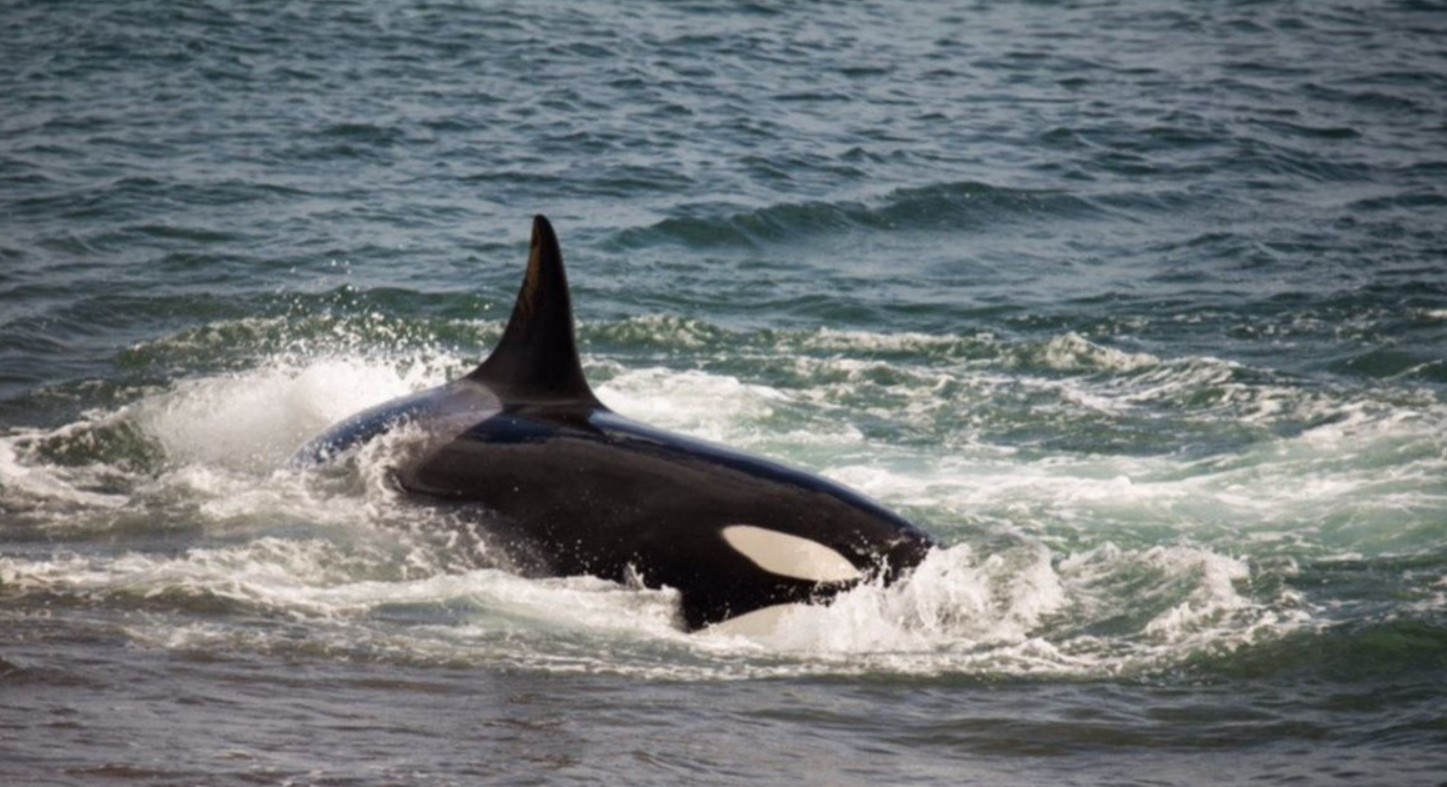
Uruguay surprises many first-timers. The country isn’t always top-of-mind for wildlife travel, yet its Atlantic coast becomes a seasonal haven for southern right whales. The magic is that you can often watch from shore—no boat required—especially if you choose accommodation with elevated views or easy access to headlands.
Best Time to Go in Uruguay
In many years, southern right whales arrive from mid-June and can be seen into October. Some local resources describe the most typical window as July to October along the Maldonado and Rocha coasts. The exact peaks vary with weather and whale movements, but late winter into early spring is the sweet spot for travelers who want the best odds.
Where to Base Yourself
For a “stay put and scan the sea” style trip, consider the Atlantic-facing resort towns and quieter stretches where you can access viewpoints without crowds:
- Punta del Este & nearby headlands (Maldonado): easy logistics and plenty of viewpoints if you don’t mind a more developed vibe.
- Punta Ballena: cliff-side scenery and broad ocean views that are ideal for spotting blows on calm mornings.
- La Paloma, La Pedrera, Cabo Polonio, and coastal Rocha: a more rugged feel, fewer high-rises, and a sense of being closer to the elements.
In Uruguay, you’ll hear people talk about “right whales with calves” close to shore. While calves aren’t guaranteed, this is a key reason Uruguay is so appealing: when the sea cooperates, whales can be visible from land at surprisingly short distances.
How to Watch from Land
A simple shore-based routine works well:
- Go early: calmer winds and flatter seas often happen in the morning.
- Pick elevation: dunes, cliffs, or headlands make spouts easier to see.
- Use binoculars: even a small pair increases your detection range.
- Look for birds: seabirds sometimes hover near surface activity.
If you’re traveling with family members who get seasick or you’re watching on a budget, Uruguay’s land-based viewing can be a game changer.
Practical Tips for Uruguay
- Bring layers: winter mornings can be chilly on the coast even if afternoons warm up.
- Keep expectations realistic: some days are “one distant blow,” others are “multiple whales close in.”
- Choose flexible lodging: a few extra days dramatically boosts your odds.
Stop 2: Argentina — Puerto Madryn and the Valdés Peninsula
If Uruguay is a gentle introduction, Argentina’s Patagonian Atlantic coast is the headline act. The combination of protected gulfs, strong conservation identity, and a well-developed whale-watching industry makes this region one of the most famous right whale destinations in the world.

The key geographic names you’ll see in research are Puerto Madryn (a city and travel hub), El Doradillo (a beach area known for close shore sightings), and Puerto Pirámides (a small town on the Valdés Peninsula and a central base for boat tours). The broader region is Patagonia, and the focal ecosystem is the pair of sheltered gulfs adjacent to the peninsula.
For background on why this place is so important, the Wikipedia entry for Valdés Peninsula explains how the surrounding waters serve as a major breeding ground for southern right whales.
Best Time to Go in Puerto Madryn & Valdés
Many local and tourism sources describe a season that runs from early June to mid-December. That’s a long window, but “best month” depends on what kind of experience you want:
- June to mid-September: Puerto Madryn and beaches like El Doradillo can be excellent for seeing mothers and calves near shore.
- Mid-September to December: whales are often concentrated around Puerto Pirámides for boat-based viewing, and tours tend to be most active.
If you want a trip that combines easy logistics and reliable sightings, aim for July through October. If you want to maximize boat-tour opportunities, late September through November is often a strong bet—assuming the sea is calm enough for departures.
Land-Based vs Boat-Based: What’s the Difference?
Land-based viewing in this region can be spectacular. On calm days, whales can be close enough that you’ll see blows, rolls, and flukes clearly with binoculars. You’ll also have the freedom to watch at your own pace, pause for photos, and come back later if conditions improve.
Boat-based viewing offers a different kind of immersion: you feel the scale, you hear the exhale, and you can witness behavior from a closer perspective (while still respecting regulations). It’s also helpful when whales are farther from shore.
A balanced itinerary does both. Plan at least one boat tour and reserve additional time for shore “sessions” that let you watch without a schedule.
What You Might See
Right whales are the main attraction, and their behaviors can be surprisingly playful. You may see breaching, spyhopping, tail sailing or tail slapping, and (with luck) calf behavior near a resting mother. Patagonia’s wildlife appeal is that whales are only one part of the coastal ecosystem—sea lions and seabirds are common companions to the show.
How to Plan a 3–5 Day Patagonian Whale Trip
- Day 1: Arrive in Puerto Madryn, do an evening shoreline scan to get your “first blow” moment.
- Day 2: Morning at El Doradillo or another recommended shore spot; afternoon city and museum time.
- Day 3: Transfer to Puerto Pirámides for a boat tour; sunset viewpoints.
- Day 4: Flexible “second chance” day—repeat the best spot based on conditions.
- Day 5: Buffer day for weather delays or travel onward.
The buffer day is not wasted time. In Patagonia, wind can ground boats. A spare day turns a canceled tour into “we went tomorrow and it was perfect.”
Stop 3: Atlantic Patagonia Beyond Valdés
Península Valdés is the superstar, but Patagonia is big, and whale experiences can extend beyond it. Depending on your travel pace, you might add other coastal stops—especially if you’re already road-tripping or pairing whales with broader Patagonian scenery.
In general, as you travel farther south, conditions get windier and infrastructure becomes more spread out. That can mean fewer tours, but it can also mean fewer crowds and a sense of remoteness that makes wildlife encounters feel even more special.
If you’re coming specifically for whales and you only have a limited window, Valdés remains the most reliable anchor. But if your trip is a broader Patagonia journey, keep your binoculars accessible—surprises happen.
Stop 4: Chilean Patagonia — Fjords, Glaciers, and Summer Whales
Now we flip coasts and seasons. Chilean Patagonia is a different kind of whale watching: you’re often in channels and fjords, surrounded by steep mountains, forests, and, in some areas, ice. The vibe is “expedition,” even when you’re on a comfortable tour boat.
Several species may be present depending on the exact region and time of year, but humpback whales are a major draw. Many whale-watching references describe peak months in multiple Chilean locations as December through April, including areas such as the Gulf of Corcovado, parts of the Patagonian channels, and even routes near the Strait of Magellan.
Best Time to Go in Chilean Patagonia
Most travelers aim for the austral summer. December to April is frequently cited as a strong window for humpbacks and some other large whales in several Chilean hotspots. It also aligns with longer daylight and a wider range of tourism services.
Where to Look: Three Chilean Options
- Chiloé & the Corcovado region: the Gulf of Corcovado is often mentioned as an important seasonal feeding area where large whales can be seen.
- Patagonian channels & fjords: remote channels can offer dramatic wildlife viewing, sometimes with multi-day itineraries that pair whales with glaciers.
- Strait of Magellan / Punta Arenas area: Punta Arenas is a gateway for Patagonian exploration, and some wildlife excursions operate in the region during suitable seasons.
Chile’s strength is the combination: even if whale activity is quieter on a given day, the landscape and other wildlife keep the experience rich.
Choosing the Right Month: A Simple Decision Framework
If you’re deciding when to go, use this quick framework:
For many travelers, whale watching south america is easiest when you treat the continent as two experiences: Atlantic right whales in winter/spring, and Pacific Patagonia in summer.
- Want the classic Uruguay-to-Argentina right whale route? Choose late June through September.
- Want to prioritize established boat operations in Argentina? Choose September through November.
- Want Chilean fjords and humpbacks? Choose January through March for a sweet spot of summer conditions and peak activity.
- Want to connect multiple countries? Consider two phases across different seasons, rather than forcing everything into one tight timeline.
Responsible Whale Watching: How to Do It Right
The best whale encounters are the ones that don’t cost the animals energy or safety. Ethical practices protect whales and also improve the quality of the experience—calmer whales behave more naturally.
- Choose licensed operators with clear wildlife policies.
- Avoid tours that promise touching, feeding, or swimming with whales.
- Look for slow approaches and respectful distances.
- Limit drone use: drones can disturb wildlife and may be regulated.
- Keep noise down on shore: shouting and chasing whales along beaches can stress animals.
When in doubt, prioritize operators that talk about conservation, research partnerships, and codes of conduct. In the long run, responsible tourism helps ensure whales keep returning.
What to Pack for Comfort and Better Sightings
Small choices make a big difference in whale watching.
For Shore-Based Days
- Binoculars (8x to 10x are a great range)
- Windproof jacket and warm layers
- Thermos with a hot drink
- Polarized sunglasses (reduce glare)
- A phone tripod or compact camera support
For Boat-Based Tours
- Motion-sickness prevention (ask your pharmacist if needed)
- Waterproof outer layer, even on sunny days
- Dry bag for electronics
- Sunscreen (water reflections can be intense)
- Snacks and water (tours can run long)
Photography tip: whales are unpredictable. Aim for fast shutter speeds and accept that your best shots may be “storytelling” images—people scanning the horizon, dramatic coastline, and a distant breach under a huge sky.
Common Mistakes That Reduce Your Chances
- Going for only one day: whale watching rewards patience. Two full days is better, and three to five is ideal in a hotspot.
- Not planning around wind: especially in Patagonia, wind is a major variable. Build in buffers.
- Treating every coastline as equal: a short drive can move you from an exposed beach to a sheltered viewpoint.
- Over-scheduling: the best whale moments often happen when you can linger without rushing to the next activity.
A Sample “Uruguay to Patagonia” Itinerary
If you want a simple, realistic plan:
- Days 1–3: Rocha or Maldonado Coast, Uruguay (two mornings of scanning + one flexible day).
- Days 4–8: Puerto Madryn + Valdés Peninsula, Argentina (one boat tour day with a backup + two shore-based whale days).
- Optional extension (separate season): Chilean Patagonia in summer (add 5–10 days depending on day trips vs multi-day itineraries).
This is enough time to see whales without turning your trip into a frantic checklist.
Frequently Asked Questions
Can I See Whales from Land without a Tour?
Yes—especially in Uruguay and around Puerto Madryn during parts of the season. Land-based viewing isn’t a “consolation prize”; it can be extraordinary when whales come close and conditions are calm.
Is Whale Watching Safe for Kids?
Generally, yes, when you choose calm viewing options and reputable operators. Shore-based watching is easiest with children. For boat tours, consider sea conditions, tour length, and motion sensitivity.
Do I Need Special Gear?
Not really. Warm layers, binoculars, and a windproof jacket do more for your experience than expensive gadgets.
What’s the Best One Place If I Can Only Choose One?
If you want the highest reliability for right whales, Península Valdés/Puerto Madryn is the classic choice. If you want easier shore-based viewing with softer logistics, Uruguay can be a fantastic alternative.
You Might Also Like: Whale Watching on the Coast of Uruguay: What You Need to Know
Final Thoughts
The best trips aren’t just about ticking off a species list—they’re about choosing a season, slowing down, and letting the coast show you what it’s ready to reveal. Whether you’re scanning Uruguay’s winter seas for the first spout, riding a Patagonian boat toward a calm gulf, or exploring Chilean fjords in summer light, this route offers a rare blend of accessibility and wildness.
Plan with buffers, dress for wind, pick responsible operators, and keep your expectations flexible. Do that, and whale watching south america becomes more than a search term—it becomes a set of memories you’ll carry long after the ocean is out of view.