Alajuela, located in the Central Valley of Costa Rica, is a vibrant city rich in both art and history. In this guide, you’ll discover the most compelling Alajuela attractions that blend cultural heritage, local creativity, and historical significance. Whether you’re an art lover or a history enthusiast, Alajuela offers something unforgettable.
Historical and Cultural Highlights
Start your journey at the Juan Santamaría Historical Museum, housed in the former 19th‑century arms barracks. Here, you’ll find rotating exhibitions and a deep dive into the Filibuster War of 1856–1857—a pivotal moment in Costa Rican history source. Permanent displays include artifacts, uniforms, letters, paintings, and interactive elements depicting the life of national hero Juan Santamaría (born August 29, 1831 – died April 11, 1856). In 2023, the museum featured the “Transit Campaign Diaries” exhibition by local artist Carlos Aguilar Durán, illustrating the national campaign visually.

Nearby, Plaza Juan Santamaría features a grand bronze statue of him, flanked by historic cannons. The memorial, unveiled on September 15, 1891, symbolizes Costa Rican independence and heroism source. Adjacent is the Alajuela Cathedral (Our Lady of the Pillar), originally consecrated in 1863 and extensively remodeled through the 20th century—its red dome and interior frescoes make it a highlight among Alajuela attractions.
The Municipal Theater, inaugurated in 1956 and designed by architect José María Barrantes, combines Art Deco and neo‑colonial styles. Recognized as a historical heritage site, it’s the third most important theater in Costa Rica after those in San José. For community arts, visit the Alajuela Cultural Center—a former palace turned venue for concerts, art exhibits, conservatory classes, and municipal archives.
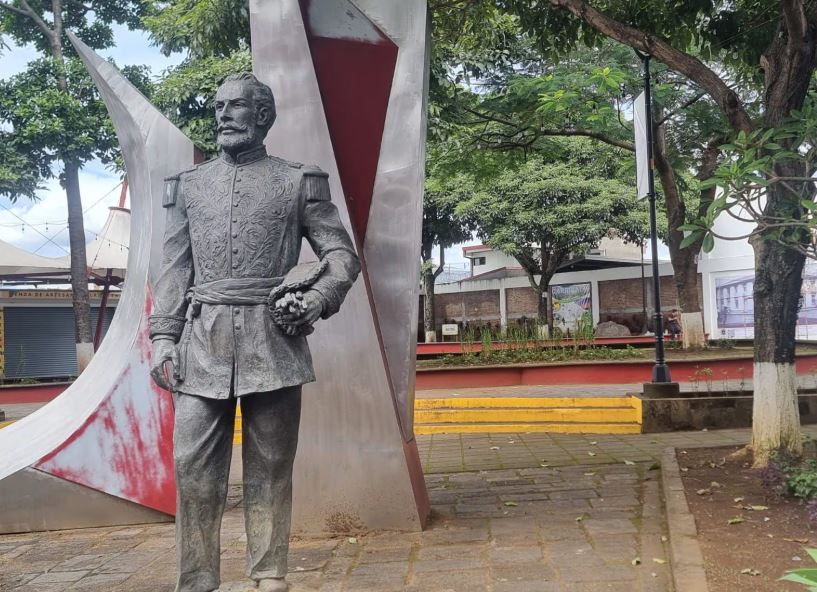
Stroll through Tomas Guardia Central Park, established in 1890, featuring geometrically arranged green spaces and a fountain imported from Glasgow. This tranquil space hosts public art, concerts, and community gatherings.
Art in Everyday Life
The creative spirit of Alajuela extends beyond museums. The central market buzzes with local life, crafts, food, and artisanal goods amid colorful stalls—a sensory collage reflecting traditional Costa Rican textures and flavors.
For unique artisan art, consider a day trip to Sarchí, just outside the city. It’s famous for its iconic hand‑painted ox carts, a traditional craft dating back to the 1800s. The vibrant, intricate designs are emblematic of Costa Rican folk art, making them sought‑after as souvenirs and cultural symbols.
Nature, Conservation, and Wildlife
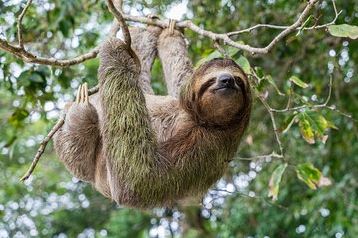
Though known for urban charm, Alajuela Province is home to stunning natural attractions. Visit the Rescate Wildlife Rescue Center in La Garita, a sanctuary spanning 35 ha, dedicated to rehabilitating injured birds, mammals, and other wildlife. It’s one of the largest bird collections in Latin America and a must‑include among Alajuela attractions for eco‑conscious travelers.
Nearby, the La Fortuna Waterfall, within Alajuela Province, cascades some 70–75 m amid rainforest terrain. It’s an iconic natural site perfect for photography, swimming, and a refreshing break close to the Arenal Volcano region.
Modern Entertainment and Events
Alajuela continues to evolve as a modern cultural hub. Parque Viva, an entertainment and concert complex built on a former racetrack, hosts international acts and festivals in its Coca‑Cola Amphitheatre (capacity ~16,000), along with go‑kart racing and event venues.
Local cultural programming—art fairs, music performances, storytelling—often occurs at the Juan Santamaría Museum and Cultural Center, bringing historical themes into modern creative expression.
Itinerary Suggestions
Day 1: Cultural Core
Morning: Visit Juan Santamaría Historical Museum
Afternoon: Explore Plaza Juan Santamaría, Cathedral, and Central Market
Evening: Watch a performance or exhibition at the Municipal Theater or Cultural Center
Day 2: Art & Artisan Route
Morning: Day trip to Sarchí for oxcart workshops and artisan galleries
Afternoon: Return and walk Tomas Guardia Park, less‑crowded galleries or temporary shows
Day 3: Nature Meet Art
Morning: Head to Rescate Wildlife Rescue Center
Afternoon: Continue to La Fortuna Waterfall or the Arenal area for scenic immersion
Travel Tips
Museum hours are typically Tuesday–Sunday, 9 AM–5 PM.
Wear comfortable walking shoes; many attractions are within easy walking distance downtown.
Combining art and history makes Alajuela an ideal stop for those interested in immersive cultural travel.
You Might Also Like: Barra Honda Cave Tours: A Mesmerizing Underground Adventure in Costa Rica
By exploring these Alajuela attractions, visitors experience a dynamic blend of heritage, creativity, and conservation that defines Costa Rica’s artistic and historical soul.