Barra Honda Cave Tours offer adventurers a doorway into the dramatic limestone cave system hidden beneath Costa Rica’s Guanacaste province. This region is home to some of the most fascinating karst formations in Central America. From the moment you step onto the sun-baked savanna and follow the trail into the forest-shaded sinkholes, you’ll feel as though you’re entering a secret world carved over millions of years by water and stone.
What makes Barra Honda unique?
Barra Honda National Park is best known for its extensive natural cave complex featuring around forty caves, of which a dozen are safely accessible for tours. These caves were formed in ancient coral stone and limestone, now sculpted into majestic subterranean corridors and shafts. The park’s highest-rank caves—such as Cueva de la Campana and Cueva del Águila—stretch hundreds of feet underground and offer vertical descents up to 200 feet. These tunnels are not just caverns—they are geological archives packed with stalactites, stalagmites, flowstones, and even rare cave fauna including bats and blind cave fish.
Why choose a Barra Honda cave tour?
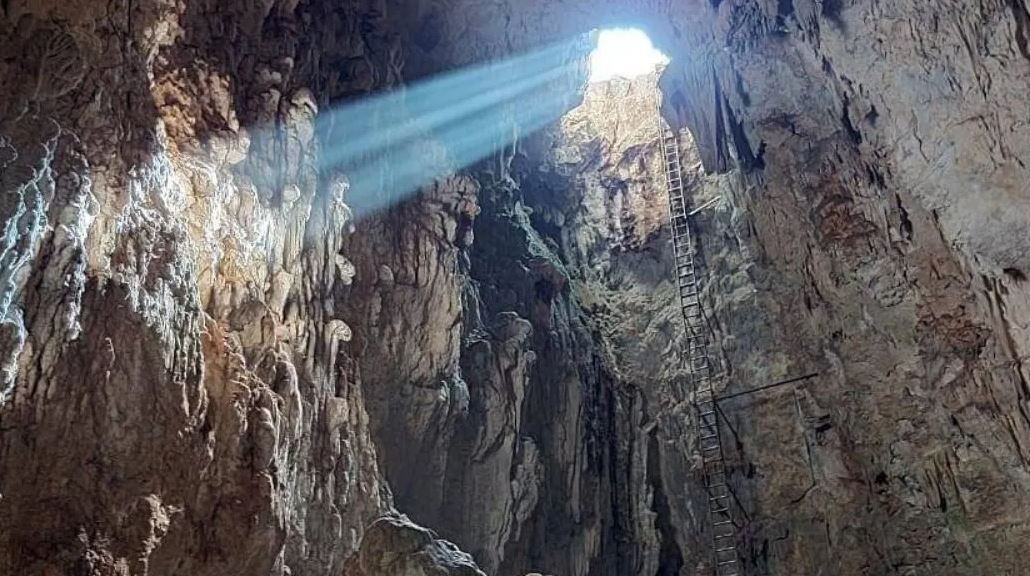
A Barra Honda cave tour connects you with history, geology, and adventure in one experience. On the surface, the park is dry forest and tropical savanna. But underground, you descend into a high-humidity, cool environment—often more than 20 °C cooler than aboveground. You get to rappel into chambers that open like amphitheaters, with beams of natural light slicing through vertical shafts. Guided tours include helmets, headlamps, and expert local guides trained in safety and geology. Whether you’re a casual hiker or an experienced spelunker, the tour is accessible yet thrilling.
Planning your visit: what to consider
When to go
Barra Honda lies in Costa Rica’s Guanacaste province, known for its dry season between December and April. These months offer clear skies and drier conditions—ideal for reaching the park and navigating the cave entrance. During the rainy season (May to November), access roads may be muddy or closed, and the caves themselves can be slick and more hazardous. Early morning tours avoid the midday heat and often include wildlife sightings at dawn.
How to book
Most Barra Honda cave tours are offered by registered local operators, often as part of day-trips from nearby towns like Nicoya, Liberia, or Tamarindo. Tours may include transportation, professional guide, safety gear, entrance fees, and sometimes a simple lunch. Always confirm what’s included: some cheaper offerings may not provide gear or insurance. For solo or small-group travelers, private tours offer flexibility and a more personalized experience.
What to bring
– Sturdy closed-toe shoes (hiking shoes or sneakers)—no flip‑flops
– Long pants and long-sleeve shirt (protection against rough rock and cooler cave temps)
– Gloves (optional but helpful for grip on ropes during rappels)
– Water bottle and snacks (provided depending on the tour)
– Headlamp or flashlight (though tours typically supply headlamps, you might want your own backup)
– Light rain jacket during rainy season
– Spare batteries or power bank for any devices
Inside the caves: what to expect
Barra Honda’s caves offer varied experiences depending on the tour route you choose:
Cueva de la Campana
A popular show cave featuring an open, cathedral-like chamber. Its name means “Bell Cave” due to the echo effect. Natural skylights from collapsed sinkholes above bathe the chamber in dramatic light. Stalactites and stalagmites decorate the floor and ceiling, some thousands of years old.

Cueva del Águila
One of the deeper caves—requires rappelling down nearly 200 feet. Its dark chamber opens gradually as you descend, with vegetation-covered sinkholes above. Once inside, you wander through tunnels lined with flowstones and occasional blind cave fish in shallow pools.
Cueva de los Murciélagos (Bats Cave)
This cave hosts impressive bat colonies. At dusk or dawn, you may witness bats exiting or returning—a breathtaking natural spectacle.
Guides explain each cave’s geological story: coral reef origins, tectonic uplifting, erosion, and mineral deposition. Many tours include a short surface nature walk to observe the park’s dry tropical forest and local wildlife like white-nosed coatis, tropical birds, and deer.
Safety and conservation considerations
Barra Honda National Park operates under strict environmental regulations to preserve sensitive geological formations and wildlife habitats. Tour groups are kept small (usually 6–10 people per guide), and only designated caves are open for exploration. Visitors must follow guidelines such as no graffiti, no touching delicate mineral formations, and minimal disturbances to animals. These rules ensure long-term conservation and maintain natural beauty for future explorers.
Experience highlights
– Adrenaline combined with serenity: Carnivorous heights descending into peaceful underground chambers
– Unforgettable photo opportunities: Light shafts, reflective pools, dramatic cave stakes
– Educational geology insight: Learn about Costa Rica’s ancient seabed and tectonic evolution
– Connection with nature: Both underground and in the forest above feel pristine and untouched.
Combo tours and longer itineraries
Some itineraries combine Barra Honda cave tours with visits to nearby hot springs, dry forest hikes, or canopy zip‑lining. Costa Rica’s Guanacaste region is ideal for multi‑sport eco‑tourism—so you could start with a cave in the morning, relax at thermal springs near Rincón de la Vieja in the afternoon, and be in the Pacific surf zone by evening. Tours may be 6 to 9 hours total, depending on transfers.
Visitor tips
– Arrive at park headquarters at least 20 minutes before scheduled tour for orientation.
– Confirm weight limits for rope gear (typically around 100–120 kg).
– Ask about fitness level required—some tours involve steep descents and uneven footing.
– If you’re afraid of heights or tight spaces, discuss route options with guides—they can suggest less intense routes or surface walks.
– Carry a dry bag or zip‑lock for valuables—water seeps in parts of the cave.
– Respect wildlife—avoid flash photography near bats, and do not disturb them.
Sustainability and local community benefits
Eco-tourism operators in Barra Honda often support local communities through employment and park revenue sharing. Payment for park access directly funds conservation efforts. Many guide services are family-owned, contributing to regional economies in a socially responsible way.
You Might Also Like: Exploring the Cloud Forests of Monteverde
Barra Honda cave tours offer a unique blend of thrill, nature, and discovery. Whether you’re rappelling into deep geometric caverns or peacefully observing geological wonders formed over eons, a trip underground here is unforgettable. Plan ahead, choose a reputable guide, and get ready for an eco-adventure that’s both awe-inspiring and enriching.