Nestled in the heart of Costa Rica’s Osa Peninsula, Corcovado National Park is one of the most biologically intense places on Earth. Renowned for its raw natural beauty and biodiversity, it’s a sanctuary where nature thrives undisturbed. For wildlife enthusiasts, a Corcovado wildlife tour offers an unforgettable experience to witness some of the planet’s rarest and most majestic species in their natural habitat.
In this article, we’ll guide you through everything you need to know about wildlife watching in Corcovado—from the best seasons and trails to the animals you might encounter, and tips for making the most of your adventure.
Why Choose Corcovado for Wildlife Watching?
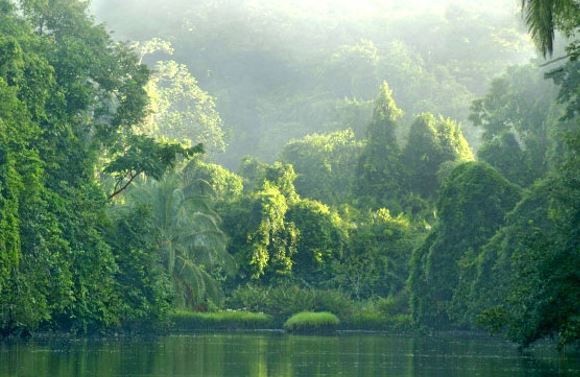
Declared a national park in 1975, Corcovado encompasses over 424 square kilometers of tropical rainforest, mangrove swamps, and sandy beaches. It is home to 3% of the world’s biodiversity and over half of Costa Rica’s species. This makes it a top destination for wildlife lovers and eco-travelers.
What sets Corcovado wildlife tours apart is the chance to see rare and elusive animals that are nearly impossible to encounter elsewhere. From Baird’s tapir and jaguars to scarlet macaws and squirrel monkeys, the park is teeming with life.

Must-See Wildlife in Corcovado
One of the greatest draws of Corcovado is its remarkable array of wildlife. Here are just a few species you might encounter:
- Baird’s Tapir: The largest land mammal in Central America, often seen lounging near rivers.
- Jaguar: Though rarely spotted, Corcovado has one of the healthiest jaguar populations in Central America.
- Howler Monkeys and Squirrel Monkeys: These charismatic primates often travel in noisy troops through the canopy.
- Scarlet Macaws: Vibrantly colored and loud, these birds are among the park’s most iconic sights.
- Sloths: Both two-toed and three-toed sloths live in the forest canopy.
- Coatis, anteaters, and agoutis: Commonly seen along trails and near ranger stations.
- Marine life: Near the coastline, you may see dolphins, sea turtles, and even humpback whales during migration seasons.
These species coexist in a fragile but thriving ecosystem that has been protected from mass tourism and deforestation.
Best Trails for Wildlife Watching
Not all areas of Corcovado are equally accessible or populated with animals. The most popular ranger stations and trails for wildlife spotting include:
1. Sirena Station
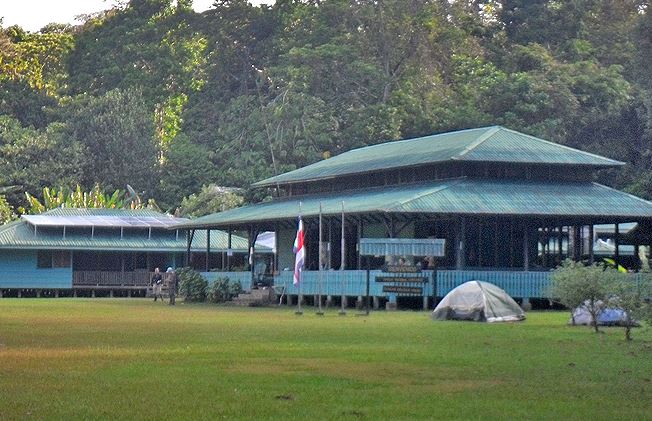
Located deep within the park, Sirena is the heart of Corcovado and offers the best wildlife viewing opportunities. The surrounding trails are flat and intersect various ecosystems, making it easier to spot animals.
2. La Leona Station
This is the southern entrance and involves a long hike along the beach and forest trail. Wildlife is abundant here, especially birds and monkeys.
3. San Pedrillo Station
Closer to Drake Bay, San Pedrillo features several shorter trails ideal for day tours. It’s known for its waterfalls, and you might encounter pumas, peccaries, and crocodiles.
Best Time to Visit Corcovado
The best season for wildlife watching in Corcovado is during the dry season, from December to April. During this period, trails are more accessible, and animals tend to gather around remaining water sources, making them easier to spot.
However, visiting during the green season (May to November) offers a more intimate experience with fewer tourists and lush, vibrant vegetation. Just be prepared for muddy trails and sudden tropical downpours.
Tips for an Unforgettable Wildlife Watching Experience
To make the most of your Corcovado wildlife tour, keep the following tips in mind:
- Hire a certified guide: Local guides are trained to spot and identify wildlife, and their insights can make your trip far more rewarding.
- Bring binoculars and a camera with zoom lens: Many animals stay high in the trees or hide in thick foliage.
- Stay silent and move slowly: Sudden noises or movements can scare away animals.
- Wear neutral-colored clothing: This helps you blend into the environment and reduces the chance of disturbing wildlife.
- Pack light but bring essentials: Sunscreen, insect repellent, a reusable water bottle, and a rain poncho are must-haves.
Where to Stay for Corcovado Wildlife Tours
Accommodations vary depending on which station you’re visiting. Near Sirena and La Leona, you’ll find eco-lodges and tent camps, many of which organize full-package tours that include transport, food, and guided hikes.
Drake Bay, located near San Pedrillo, is a popular base for visitors, offering a wider range of hotels and lodges with easy access to the park.
Sustainable Tourism and Conservation
Corcovado’s incredible biodiversity is maintained through strict conservation efforts and sustainable tourism practices. Visitors are required to enter with licensed guides, and access is limited to protect wildlife habitats.
Tourism plays a crucial role in funding conservation projects, so by choosing an eco-friendly tour operator, you’re contributing to the long-term health of the park.
You Might Also Like: Exploring the Cloud Forests of Monteverde
Monteverde offers a contrasting ecosystem that is just as rich in biodiversity, making it another must-see destination for nature lovers visiting Costa Rica.
Final Thoughts
If you’re looking for a truly immersive experience in the wild, Corcovado wildlife tours are second to none. The park’s untouched forests, rich ecosystems, and rare species make every step through its trails feel like a discovery. Whether you’re an amateur birder or a seasoned naturalist, Corcovado will leave you in awe.
Plan your visit well, respect nature, and let Corcovado show you why it’s one of the most magical places on Earth.