Hidden deep within the heart of Brazil lies one of the most biodiverse ecosystems on Earth — the Pantanal. This vast tropical wetland, larger than many countries, is a haven for wildlife enthusiasts and nature photographers. While much attention often goes to the Amazon, the Pantanal offers far greater opportunities to actually see wildlife up close. The best way to experience its wonders? Stay in one of the secluded Pantanal wildlife lodges that provide intimate access to this remarkable region.
Why the Pantanal is a Wildlife Paradise
The Pantanal spans over 140,000 square kilometers, primarily in western Brazil, and extends into Bolivia and Paraguay. It is the world’s largest tropical wetland and a UNESCO World Heritage Site. Unlike the dense foliage of the Amazon, the Pantanal’s open landscapes make wildlife much easier to spot, especially during the dry season (May to October) when animals congregate around shrinking water sources.

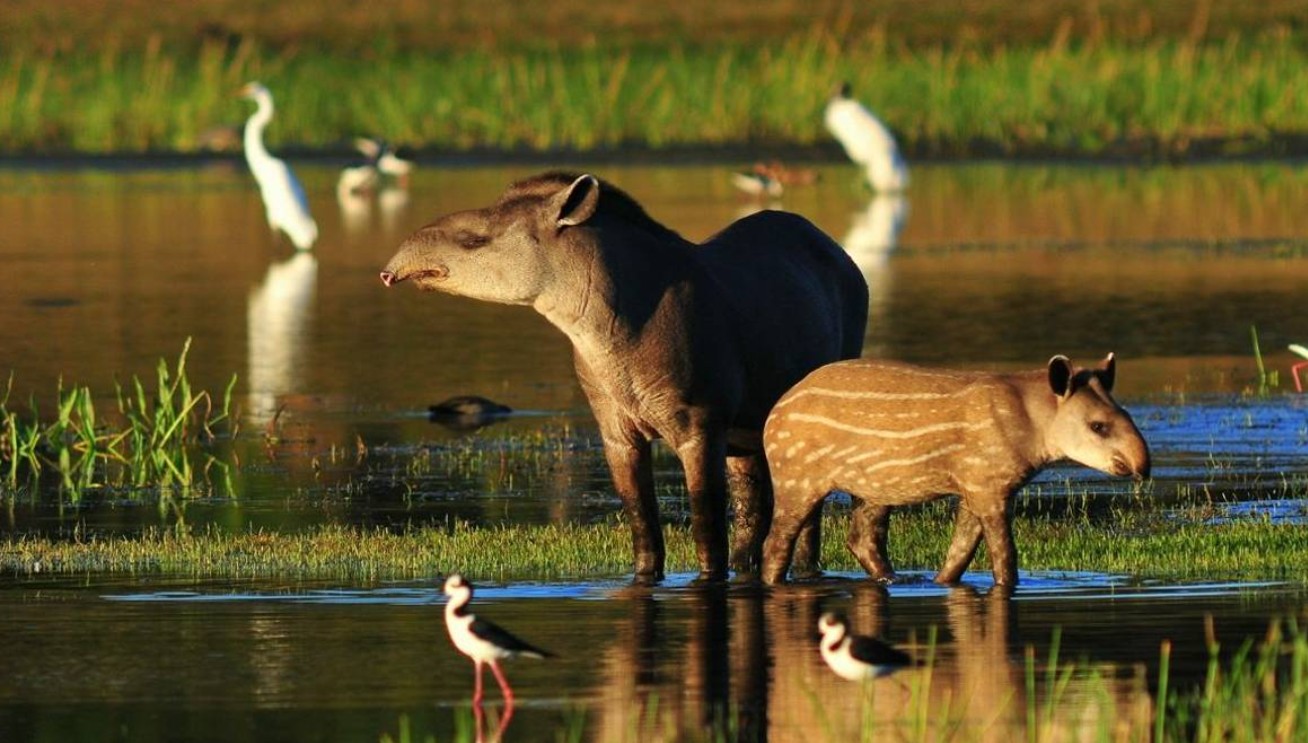
This unique ecosystem is home to an incredible variety of species — more than 650 bird species, 100 mammals, and countless reptiles, amphibians, and fish. It’s one of the few places on Earth where you’re likely to spot the elusive jaguar in the wild, alongside giant otters, hyacinth macaws, capybaras, and caimans.
Choosing the Right Pantanal Wildlife Lodge
The Pantanal offers a wide range of accommodations, from basic eco-camps to luxurious boutique lodges. What sets the best Pantanal wildlife lodges apart is their commitment to sustainability, expert local guides, and strategic locations that maximize wildlife viewing opportunities.
Most lodges are located in either the Northern or Southern Pantanal, each with its own advantages. The Northern Pantanal, accessed via Cuiabá, is famous for jaguar sightings near the Cuiabá and Piquiri Rivers. The Southern Pantanal, reachable from Campo Grande, offers broader birdwatching and a more rustic charm.
Top Hidden Wildlife Lodges in the Pantanal
Here are a few lesser-known yet exceptional lodges that offer immersive wildlife experiences:
- Baía das Pedras Lodge (Southern Pantanal): A family-run cattle ranch turned eco-lodge, it offers horseback safaris, photographic tours, and night drives. The surrounding savanna and wetlands teem with wildlife.
- Araras Eco Lodge (Northern Pantanal): Located near the Transpantaneira Road, it’s an excellent base for birdwatching. The lodge offers forest trails, observation towers, and canoeing excursions.
- Jaguar Retreat (Northern Pantanal): A small, remote lodge focused entirely on jaguar tracking. Professional guides with years of experience help guests capture incredible wildlife moments.
Wildlife Experiences You Can Expect
Every day in the Pantanal brings new surprises. Early morning safaris reveal birds in vibrant colors — toucans, jabiru storks, and roseate spoonbills. Boat tours on the rivers give glimpses of caimans sunning themselves and giant otters gliding through the water. Night safaris might reward you with sightings of ocelots, anteaters, or even a prowling jaguar.
Wildlife watching in the Pantanal is not just about passive observation; it’s about connection. Many lodges are staffed by locals who grew up in the region and carry a deep knowledge and respect for the land and its inhabitants. Their stories add depth to the experience and help foster a deeper appreciation for conservation efforts.
When to Visit the Pantanal
The best time for wildlife watching is during the dry season (May–October), when animals gather near the remaining water sources, making them easier to spot. However, the wet season (November–April) transforms the Pantanal into a lush water world, ideal for birdwatching and canoeing through flooded forests.
Keep in mind that the dry season also brings dust and higher temperatures, especially in the Northern Pantanal, while the wet season may pose travel challenges due to flooded roads. Plan according to your interests and tolerance for adventure.
How to Get There
To reach the Northern Pantanal, fly into Cuiabá, the capital of Mato Grosso state, then drive or take a transfer to your lodge along the Transpantaneira Road. For the Southern Pantanal, fly into Campo Grande in Mato Grosso do Sul and proceed by road to your lodge.
Most lodges offer pick-up and drop-off services, especially those in more remote areas. It’s advisable to book transportation in advance, especially during peak wildlife seasons.
Eco-Tourism and Conservation
Many Pantanal wildlife lodges are actively involved in conservation efforts. They work with NGOs, government programs, and local communities to protect species and habitats, and to promote responsible tourism. Some contribute a portion of their revenue to support research and anti-poaching patrols.
By staying at eco-lodges, travelers can directly support these initiatives. Moreover, low-impact tourism helps demonstrate the economic value of preserving the Pantanal, encouraging sustainable practices in the region.
Tips for a Meaningful Wildlife Watching Trip
- Pack light but smart: Bring breathable clothing, binoculars, insect repellent, and a good camera with zoom lens.
- Stay patient: Wildlife sightings are not guaranteed — patience and silence go a long way.
- Listen to your guides: They know the terrain intimately and can enhance your experience immensely.
- Travel responsibly: Avoid plastic, follow park rules, and respect local cultures and wildlife.
Conclusion
Brazil’s Pantanal is a wildlife wonderland unlike any other. Far from the crowds, the hidden lodges scattered across this vast region offer a rare opportunity to immerse yourself in nature. Whether you’re tracking jaguars through riverbanks or listening to howler monkeys from your hammock, every moment is unforgettable. Choosing one of the many Pantanal wildlife lodges isn’t just about comfort — it’s about forging a deeper connection with one of the planet’s most precious ecosystems.
Baca Juga: Exploring the Marine Life of the Osa Peninsula