If you’ve been dreaming about seeing giant tortoises, marine iguanas, and sea lions up close, you’re not alone. The problem is that most people assume the only way to do it is by booking a pricey liveaboard cruise. The good news: galapagos on a budget is absolutely possible if you plan around land-based islands, use public transport wisely, and pick day trips that give you the “wow” moments without the luxury price tag.
The Galápagos Islands are remote, regulated, and proudly protected—so “cheap” is never the goal. “Smart value” is. This guide shows you how to design an independent trip that feels rich in wildlife and experiences, not expenses. You’ll learn what costs are unavoidable, where travelers usually overpay, and how to build an itinerary that minimizes transfers while maximizing time in the water and on the trails.
Galapagos on a Budget: Your Ground Rules
Budget success in the Galápagos comes down to two principles. First, accept the fixed costs (park fee, transit card, flights) and don’t waste energy trying to “hack” them away. Second, get intentional about flexible spending—sleep local, walk more, and pay for only the day tours that genuinely require boats, permits, and guides.
Why a Land-Based Trip Can Be Cheaper Than a Cruise
Cruises bundle cabins, guides, permits, meals, and transport into a single number—convenient, but often inflated by comfort level and limited competition. A land-based plan flips the math. You sleep in locally run guesthouses, eat at small restaurants, and buy only the tours you truly want. That flexibility is the key to visiting the Galápagos without an expensive cruise.
Land-based travel also lets you “slow travel.” Instead of waking up in a new bay every day (awesome, but costly), you choose one or two main islands and explore them deeply. Less moving around means fewer boat tickets, fewer hotel check-in/check-out days, and fewer chances to pay last-minute prices.
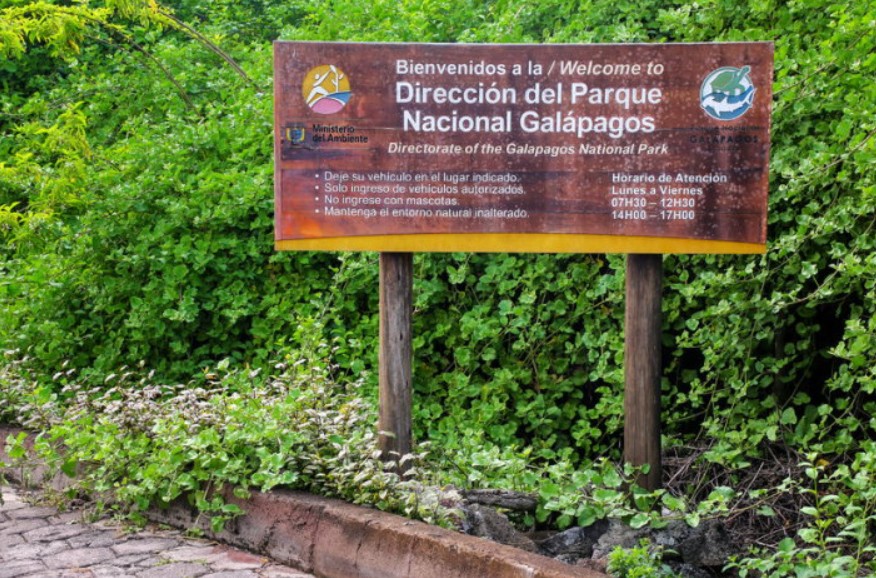
The Non-Negotiable Fees You Must Budget For
Before we talk hacks, let’s talk reality. There are a couple of mandatory costs that every visitor pays, no matter how thrifty you are.
1) Galápagos National Park entrance fee
On arrival in the islands, international visitors pay a park entrance fee to support conservation in the Galápagos National Park. Bring cash in US dollars and keep it accessible in your carry-on so you’re not scrambling at the counter.
For trip-planning purposes, many travelers should expect an entrance fee of US$200 for international visitors over 12 (and US$100 for children under 12), paid on arrival in cash. Fees can change, so check the latest policy before you fly.
2) Transit Control Card (TCT)
You’ll also need a Transit Control Card (often called the TCT). It’s typically US$20 per traveler and is checked before you board your flight to the islands and again when you leave. Treat it like a passport—losing it is a headache.
3) Mainland Ecuador flight costs
Flights from Quito or Guayaquil are often your biggest single line item after the park fee. Prices jump around by season, day of week, and how far in advance you book.
The takeaway: if your goal is galapagos on a budget, you don’t “eliminate” these costs—you plan everything else around them so you’re not bleeding money in the flexible categories.
A Realistic Cost Breakdown for a DIY Week
Everyone’s numbers differ, but a simple framework makes planning easier. Think in “fixed” versus “flexible” spending.
Fixed costs are the park fee, the transit card, and your flights. Flexible costs are lodging, food, local transport, and tours. Most travelers save money by controlling the flexible categories rather than hunting for unrealistic flight bargains.
As a rough starting point for a land-based trip, budget travelers often aim for the following patterns:
- Lodging: a clean private room or basic hotel, priced lower if you stay 4+ nights in one place.
- Food: one set lunch, one casual dinner, and groceries/snacks for breakfast or beach time.
- Transport: mostly walking, a few short taxi rides, and occasional water taxis.
- Tours: two to four paid day trips across a week, then DIY days in between.
If you do a paid tour every single day, costs escalate quickly. If you choose only the most “permit-heavy” experiences and keep the rest self-guided, you’ll keep galapagos on a budget realistic without feeling restrictive.
Choose Your Base Islands Like a Budget Strategist
Your island choices determine how much you’ll spend on transport and tours. Most independent travelers focus on three inhabited islands.
Santa Cruz: the logistics hub
Santa Cruz (Puerto Ayora) has the widest range of hotels, restaurants, and tour agencies, so you can comparison-shop easily. It’s also a good place to book day trips and to organize ferries to other islands.
Budget-friendly highlights include the fish market area, the walk to Tortuga Bay, and the Charles Darwin Research Station.
Isabela: cheaper nature, fewer temptations
Isabela often feels more laid-back and can be surprisingly affordable once you’re there. Many of the best experiences are low-cost or free: beaches, flamingo lagoons, and easy hikes. The downside is fewer ATMs and fewer lodging options, so bring enough cash and book basic rooms early in peak season.
San Cristóbal: sea lions and easy day trips
San Cristóbal (Puerto Baquerizo Moreno) is a strong “single-island” option if you want to keep moving parts to a minimum. You can see sea lions on the town beaches, do a few classic day tours, and still feel like you really visited the islands.
If you’re traveling short-term and want to cut ferry costs, pick one island (San Cristóbal or Santa Cruz) and build your whole plan from there.
Free and Low-Cost Activities by Island
To keep spending under control, it helps to know what you can do without a tour.
Santa Cruz
Walk to Tortuga Bay early, bring water and shade, and snorkel from shore when conditions are calm. Spend an hour at the pier watching pelicans dive and rays glide through the shallows. In the highlands, you can often arrange a simple taxi loop to viewpoints and tortoise areas for far less than an all-day packaged excursion.
Isabela
Isabela is a budget favorite: you can walk to the flamingo lagoon, hang at long beaches, and do sunset strolls where wildlife is simply “there.” Ask locally about safe snorkel spots near town and follow posted guidance—currents can be real.
San Cristóbal
San Cristóbal’s town beaches are part of the charm. On a DIY day, you can combine a beach morning, a viewpoint hike, and an easy afternoon snorkel—then still have energy (and money) for a seafood dinner.

How to Save Money Before You Even Land
Most savings happen in the planning phase, not on the islands.
Book flights with flexibility in mind
If your dates are flexible, search across a full month. Mid-week flights are often cheaper than weekend departures. Also compare flying into Baltra (for Santa Cruz) versus San Cristóbal. Sometimes one route is significantly cheaper, and you can structure your itinerary around the better deal.
Travel in shoulder season
The Galápagos doesn’t have a “bad” season, but prices can rise during school holidays and popular travel windows. Shoulder periods can mean better flight deals and more negotiating power for hotels.
Pack to avoid island-priced essentials
Sunscreen, motion-sickness tablets, snorkel gear, and quick-dry clothing can cost more on the islands. Bring the basics from mainland Ecuador so you’re not paying convenience premiums.
Budget Lodging: What’s Worth It (and What Isn’t)
You don’t need beachfront resorts to have an incredible trip. In fact, many of the best-value stays are simple rooms run by local families.
Pick location over luxury
On Santa Cruz and San Cristóbal, staying within walking distance of the waterfront saves money every day. You’ll spend less on taxis, and it’s easier to be spontaneous—early tours, sunset walks, quick stops at the bakery, you name it.
Look for “breakfast included,” but do the math
A basic breakfast can be a real saver if it means you start the day full and only need a light lunch. But if the “free breakfast” is just instant coffee and white toast, you might be better off buying a fresh juice and eggs in town.
Stay longer, pay less
Many small hotels offer better rates for 4–7 nights, especially outside the busiest weeks. If you’re serious about galapagos on a budget, pick fewer bases and stay put.
Eating Well Without Blowing Your Cash
Food costs can sneak up, especially if you eat in touristy waterfront restaurants three times a day. Mix it up.
Use set lunches
Look for “menu del día” set meals—usually soup, a main dish, and juice. Portions are generous, and it’s one of the simplest ways to keep daily spending predictable.
Shop small markets
Stock up on snacks, fruit, yogurt, and refillable water. A couple of market runs can save you a surprising amount over a week.
Don’t overdo the nightlife bill
A few cocktails aren’t a problem, but alcohol is one of the fastest ways to turn a careful plan into a “how did this happen?” budget. If you want a nice night out, choose one evening and make it intentional.
Transportation: Ferries, Water Taxis, and the Real Costs
Moving around the islands is where many travelers overspend—mostly because they don’t realize what’s “normal” and what’s a tourist markup.
Inter-island ferries (speedboats)
Public speedboats connect Santa Cruz, Isabela, and San Cristóbal on set schedules. It’s not luxury—expect bumpy rides—but it’s usually far cheaper than flying between islands. Pack motion-sickness pills if you get seasick.
Water taxis
In many places you’ll hop into small water taxis to reach docks, beaches, or tour boats. These short rides add up, so carry small bills and ask the price before you step in.
Walking is your secret weapon
The towns are compact. If you can handle heat and sun, walking is the easiest way to keep transport costs near zero—and you’ll stumble on viewpoints, iguanas, and street food along the way.
Pick Day Tours That Deliver Maximum Wildlife Value
Day tours are where you can spend big—or spend smart. The trick is choosing a few “signature” tours and balancing them with free or low-cost activities.
High-value paid experiences
Consider putting your tour budget toward experiences you can’t DIY:
- A snorkel tour to a site that requires a licensed boat.
- A day trip to an uninhabited island where landing permits are controlled.
- A guided volcano or highlands hike where local knowledge improves safety and wildlife spotting.
Low-cost or free experiences
Then fill your itinerary with the Galápagos “everyday magic” that costs little:
- Beach days where sea lions nap next to your towel.
- Easy trails like Tortuga Bay (Santa Cruz) with snorkeling near shore.
- Town walks at sunset, when pelicans and frigatebirds become your background soundtrack.
This balance is how you experience the best of the archipelago while keeping galapagos on a budget realistic.
Sample Itineraries That Keep Costs Under Control
Below are two itinerary styles that work well for independent travelers. Adjust based on flight prices and your must-see animals.
5–6 days: One base island (simplest budget plan)
Day 1: Arrive, settle in, town beach walk and quick snorkel.
Day 2: One signature day tour (snorkel site or uninhabited islet).
Day 3: DIY hike + free beaches.
Day 4: Second paid tour OR a highlands day.
Day 5: Buffer day for weather or rest, fly out next morning.
This plan cuts ferry tickets and minimizes logistics mistakes—perfect if you want a straightforward budget trip.
8–10 days: Two islands (best mix of value and variety)
Days 1–4: Base on Santa Cruz for logistics and a couple of key tours.
Days 5–8: Ferry to Isabela for beaches, lagoons, and a volcano day.
Days 9–10: Return to Santa Cruz (or fly out from San Cristóbal if flights line up).
Two islands add variety but still keep transfers limited.
Snorkeling Gear and Tours: Spend Once, Enjoy Every Day
If you love the water, snorkeling is the best “value-per-minute” activity in the Galápagos.
Bring or rent?
If you already own a mask that fits well, bring it. A good seal makes snorkeling twice as enjoyable. Fins and wetsuits are easy to rent on the islands, but availability can shrink during busy weeks.
Wetsuit tip
Water temperatures vary by season. A thin wetsuit can make long snorkel sessions comfortable and can reduce the temptation to pay extra for shorter “guided-only” outings just because you’re cold.
A Quick Prep Checklist for Budget Success
A few small actions prevent the most common “budget leaks.”
- Screenshot your hotel reservations and flight details in case mobile data is slow.
- Bring small bills for taxis, water taxis, and tips.
- Pack a reusable bottle and a dry bag for boat days.
- Keep your TCT safe, and store a photo of it on your phone.
- Schedule at least one no-tour day; it gives your wallet and your body a break.
What You Can Skip (Without Feeling Like You Missed Out)
Saving money doesn’t mean doing less—it means choosing wisely.
- Skip expensive “premium” transport add-ons unless you truly need them.
- Skip souvenir shopping until the final day, when you know what you actually want.
- Skip overstuffed itineraries; rushing makes you more likely to buy taxis, last-minute tours, and convenience snacks.
Budget Mistakes to Avoid in the Galápagos
A few common missteps can quietly wreck your spending plan.
1) Underestimating cash needs
ATMs exist, but they can run out of cash or have long lines. Keep a cash buffer for water taxis, simple meals, and emergencies—especially on Isabela.
2) Booking everything at the last minute
Some travelers score deals. Others end up paying more because the best-value options sell out. A smart compromise is to pre-book your “must-do” tours and leave a couple of days flexible.
3) Ignoring sea conditions
Ferry rides can be rough. If you’re prone to seasickness, plan fewer inter-island transfers and take the earliest boats when conditions can be calmer.
Be a Responsible Budget Traveler
The Galápagos is a protected ecosystem, and rules exist for a reason. Stay on marked trails, keep distance from wildlife, and never feed animals. Responsible travel isn’t just ethical—it can also be budget-friendly, because fines and avoidable mishaps are expensive.
When you plan well, you’ll find that galapagos on a budget isn’t about cutting corners. It’s about prioritizing: spend on the experiences that require boats, permits, and guides, and enjoy the rest—beaches, trails, wildlife encounters—as the everyday privilege it is.
Final Thoughts: Your Affordable Galápagos Is Realistic
If you take only one thing from this guide, let it be this: you don’t need a luxury ship to have a world-class Galápagos experience. Build your trip around one or two base islands, lock in flights early, choose a couple of high-impact day tours, and fill the rest with the free magic that makes these islands famous.
You Might Also Like: Galapagos Islands Travel Guide: Cruises vs Land Budget
Do that, and you’ll go home with the memories you wanted—and a bank account that still feels healthy, even after galapagos on a budget planning.