If you’re planning a trip with your appetite leading the way, this guide to best food in south america is designed to help you eat confidently, order like a local, and build an itinerary around unforgettable flavors. South America is not one “cuisine”—it’s a mosaic shaped by Indigenous ingredients, European and African influences, and landscapes that range from the high Andes to tropical rainforest and windy Patagonian coasts. The result is a continent where the same simple staples (corn, potatoes, beans, fish, beef, tropical fruit) transform into totally different comfort foods depending on where you sit down to eat.
Below you’ll find 25 iconic dishes worth traveling for, plus exactly where to look for them—cities, regions, and the types of places (markets, neighborhood joints, seaside cevicherías, countryside grills) that tend to do them best. Use this list as a menu-based map: pick a few “non-negotiables,” then fill the gaps with whatever looks busiest and smells best.
Quick note on ordering: Many restaurants have a “menu del día” (set lunch). It’s often the best-value way to sample regional cooking—starter soup, main dish, and a drink—without overthinking it.
How to Plan a Trip Around the Best Food in South America
The easiest way to hunt down signature dishes is to match the meal to the landscape. Coastal cities excel at seafood; highland towns lean into potatoes, grains, and slow-cooked meats; river regions bring smoked fish, tropical fruit, and cassava. If you’re short on time, prioritize public markets at breakfast, a set-menu lunch for regional classics, and one “specialty” dinner (steakhouse, ceviche bar, or tasting menu) to compare techniques.
When in doubt, ask two questions: “¿Cuál es el plato típico?” (What’s the typical dish?) and “¿Dónde come la gente de aquí?” (Where do locals eat?). Busy places with a short menu are usually a good sign. And if you want a little background before you start tasting, the overview of South American cuisine is a helpful starting point for understanding how geography and history show up on the plate.
25 Dishes You Shouldn’t Miss
These are the crowd-pleasers and regional icons that repeatedly show up on local tables. If your goal is to taste the best food in south america without turning every meal into a research project, start here and let curiosity do the rest.
Ceviche (Peru, Ecuador, Chile)
What it is: Fresh fish or shellfish “cooked” in citrus with onion, chili, and herbs—bright, cold, and addictive.
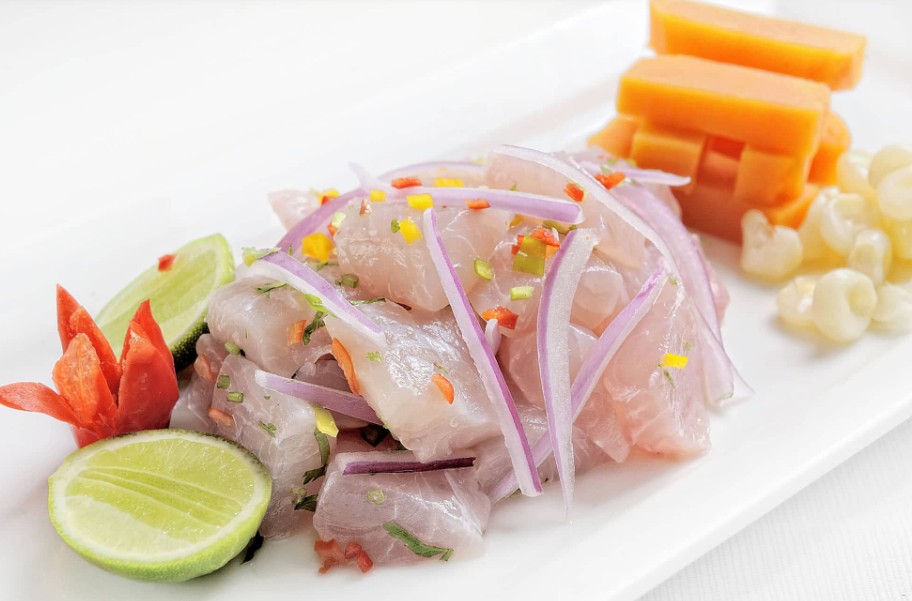
Where to find it: Start in Lima’s coastal districts and traditional cevicherías, then try variations in coastal Ecuador (often with plantain or popcorn) and northern Chile.
Local tips: Order it at lunchtime when the catch is freshest. If you’re new to it, read up on what makes ceviche unique, then look for places that prep it to order and keep the menu focused.
Lomo Saltado (Peru)
What it is: A stir-fry of beef, onions, tomatoes, soy sauce, and vinegar, served with fries and rice—comfort food with serious flavor.
Where to find it: Classic in Lima and Arequipa—look for family-run restaurants and “chifas” (Peruvian-Chinese spots).
Local tips: Ask for your beef “jugoso” (juicy) rather than overcooked. Pair with a maracuyá (passion fruit) juice for a sweet-tart contrast.
Aji de Gallina (Peru)
What it is: Shredded chicken in a creamy yellow chili sauce (ají amarillo) with walnuts or bread thickener, served over potatoes and rice.
Where to find it: Common in Lima and Cusco; great as a first Peruvian home-style dish after a long travel day.
Local tips: If you like mild heat, this is your gateway. Many places top it with olives and hard-boiled egg—don’t skip the potato base.
Anticuchos (Peru, Bolivia)
What it is: Skewers—often beef heart—marinated with spices and grilled over charcoal.
Where to find it: Evening street stalls in Lima, plus markets in La Paz and Cochabamba.
Local tips: Go where the grill smoke is constant and the line is long. Ask for “con papa” (with potato) and the spicy sauces on the side.
Empanadas (Regional Styles) (Argentina, Chile, Colombia, Bolivia)
What it is: Hand pies with savory fillings—beef, chicken, cheese, corn—baked or fried depending on the region.
Where to find it: Buenos Aires and Salta for Argentine styles; Santiago for baked versions; Bogotá for smaller snack empanadas; Bolivia for juicy fillings.
Local tips: Try at least two: one classic meat, one regional specialty (like humita/corn). They’re perfect for bus stations and late-night cravings.
Asado (Argentina, Uruguay)
What it is: A social ritual of slow-grilled meats—steaks, ribs, sausages—cooked over wood or charcoal.

Where to find it: Buenos Aires parrillas, Mendoza after a winery day, and Montevideo’s classic grill houses and markets.
Local tips: Order a mix: vacío (flank), tira de asado (short ribs), and chorizo. In Uruguay, try it with a glass of tannat.
Choripán (Argentina, Uruguay)
What it is: Grilled chorizo in crusty bread, usually with chimichurri.
Where to find it: Street stands outside football stadiums, parks, and weekend markets.
Local tips: It’s simple, so quality matters: look for snappy sausage and fresh bread. Eat it standing up like locals do—napkins mandatory.
Milanesa (and “a la Napolitana”) (Argentina, Uruguay)
What it is: Breaded cutlet (usually beef or chicken). “Napolitana” adds tomato sauce, ham, and melted cheese.
Where to find it: Neighborhood restaurants and bodegones in Buenos Aires and Rosario; also popular in Montevideo.
Local tips: Order it with a side of fries or mashed potatoes. It’s ideal after long-distance travel when you want something familiar but local.
Provoleta (Argentina)
What it is: Grilled provolone cheese served sizzling, often with oregano and chili flakes.
Where to find it: Parrillas across Argentina, especially in Buenos Aires and Córdoba.
Local tips: Share it as a starter while you wait for the steak. Ask for it “bien dorada” (well browned) for the best crust.
Locro (Argentina, Bolivia, Ecuador highlands)
What it is: A hearty stew of corn, beans, squash, and meat—deeply comforting.
Where to find it: Try it in Salta, Jujuy, and Andean towns—especially during national holidays and cool-weather months.
Local tips: Locro is a slow-food dish: the best versions simmer for hours. If you see it as a daily special, take it as a sign.
Feijoada (Brazil)
What it is: A black bean stew with pork cuts, served with rice, greens, orange slices, and farofa.
Where to find it: Rio de Janeiro and São Paulo—many places serve it on specific days (often midweek or weekends).
Local tips: Go hungry—this is a feast. The orange helps cut richness, and the farofa adds crunch. Caipirinha optional but encouraged.
Moqueca (Brazil)
What it is: Seafood stew with coconut milk (in Bahia), tomatoes, onions, peppers, and herbs, served bubbling hot.
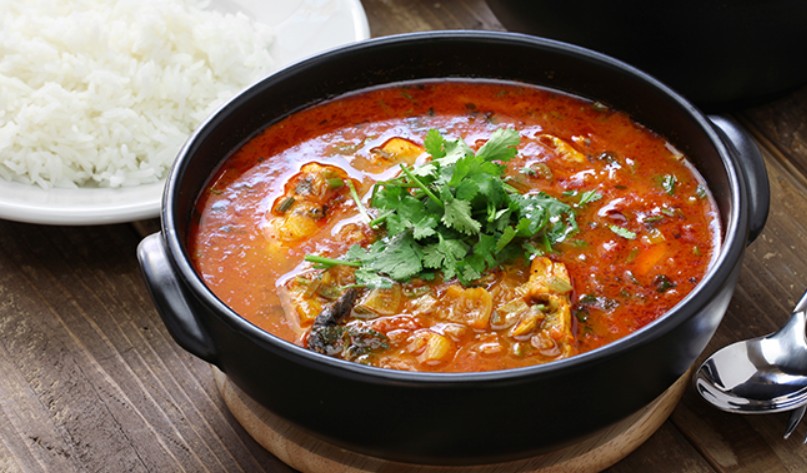
Where to find it: Bahia for dendê (palm) oil versions; Espírito Santo for a lighter clay-pot style.
Local tips: Order with rice and farofa. If you’re sensitive to strong flavors, ask whether it uses dendê oil—it’s delicious but distinctive.
Pão de Queijo (Brazil)
What it is: Chewy cheese breads made with cassava starch—gluten-free by nature and dangerously snackable.
Where to find it: Minas Gerais is the spiritual home, but you’ll find it everywhere from bakeries to airports.
Local tips: Eat them warm. If a café serves them fresh from the oven, grab two: one to taste, one because you’ll want another.
Arepas (Stuffed and Griddled) (Colombia, Venezuela)
What it is: Corn cakes grilled or fried, split and stuffed with cheese, shredded beef, chicken salad, beans, or avocado.
Where to find it: Bogotá for breakfast arepas, Medellín for street versions, Caracas for stuffed “reina pepiada” and more.
Local tips: Treat arepas like a canvas: try a simple cheese one first, then a loaded option. They’re ideal for quick meals between sightseeing.
Bandeja Paisa (Colombia)
What it is: A legendary platter: beans, rice, ground meat, chicharrón, fried egg, plantain, arepa, and avocado.
Where to find it: Medellín and the Antioquia region—look for traditional “fondas” and set-menu lunch spots.
Local tips: Share it if you can—it’s huge. If you want a lighter version, order “media bandeja” (half) when available.
Ajiaco (Colombia)
What it is: Chicken-and-potato soup with corn and the herb guascas, served with avocado and rice.
Where to find it: Bogotá is the classic home; the best bowls come with cream and capers on the side.
Local tips: Customize at the table: add capers for tang, cream for richness. Perfect for cool mountain evenings.
Pastel de Choclo (Chile)
What it is: A baked corn “pie” with beef, chicken, egg, olives, and sweet corn topping.
Where to find it: Santiago and central Chile; also common in home-style restaurants.
Local tips: The sweet-savory contrast is the point. Pair with a simple salad, and don’t be surprised if it feels like comfort food in casserole form.
Curanto (Chile – Chiloé Island)
What it is: Seafood, meats, potatoes, and vegetables cooked together—traditionally in a pit with hot stones, more commonly in a pot today.
Where to find it: Chiloé is the destination—many restaurants offer it, and some communities prepare traditional versions for events.
Local tips: If you see “curanto al hoyo,” that’s the pit method and worth seeking out. Go with friends—this is a communal meal.
Churrasco (Brazilian-Style Grilled Meats) (Brazil)
What it is: An all-you-can-eat parade of grilled meats carved tableside.
Where to find it: Rodízio steakhouses in major cities like São Paulo, Curitiba, and Porto Alegre.
Local tips: Start slow and pace yourself. Prioritize cuts you can’t easily get at home, and save room for grilled pineapple if it’s offered.
Salteñas (Bolivia)
What it is: Baked empanadas with a sweet-salty, soupy filling (meat, potato, peas) that’s famously juicy.

Where to find it: La Paz, Sucre, and Cochabamba—morning is prime time.
Local tips: Eat carefully: tilt, bite the top, sip the broth, then continue. Many locals eat them as a late breakfast with coffee.
Chupe de Camarones (Peru – Arequipa)
What it is: A rich shrimp chowder with potatoes, corn, milk, egg, and herbs—hearty but elegant.
Where to find it: Arequipa is the essential stop; look for picanterías (traditional eateries).
Local tips: Great at altitude because it’s warming and filling. Ask for it mildly spicy if you’re still adjusting to local heat levels.
Encebollado (Ecuador)
What it is: A tuna and cassava soup topped with pickled onions, cilantro, and lime.
Where to find it: Guayaquil and coastal towns—morning markets are best.
Local tips: Many Ecuadorians swear by it as a hangover cure. Add extra lime and eat it with toasted corn or plantain chips.
Papa a la Huancaína (Peru)
What it is: Sliced potatoes covered in a creamy, mildly spicy cheese sauce, usually garnished with olives and egg.
Where to find it: Lima and Cusco—often served as an appetizer or side.
Local tips: Because it’s simple, sauce quality matters—look for bright color and a balance of cheese and chili. It pairs well with grilled meats.
Humitas (Peru, Bolivia, Chile, Argentina, Ecuador)
What it is: Fresh corn dough steamed in corn husks, sometimes sweet, sometimes savory with cheese or spices.
Where to find it: Markets and street stalls across the Andes—especially in the morning.
Local tips: Buy two versions if you can: one sweet, one savory. They travel well for day trips and pair with a hot drink in cool weather.
Dulce de Leche Desserts (Argentina, Uruguay)
What it is: Caramelized milk used as a filling or topping—sweet, toasty, and addictive.

Where to find it: Bakery counters in Buenos Aires and Montevideo—try alfajores, cakes, and ice cream.
Local tips: Compare textures: some are thick and fudgy, others lighter. Pack alfajores for travel snacks; they hold up well on the road.
You Might Also Like: Unique Indigenous Festivals in the Andean Highlands of Peru
Smart Eating Tips for First-Time Travelers
Follow the locals at lunch. In many cities, the most traditional cooking happens between 12:00 and 3:00 pm. Dinner can be more international, especially in tourist zones.
Use markets for “small bites” research. Start with fruit juices, breads, and soups, then pick one standout dish to try again in a sit-down restaurant. This approach keeps your search for the best food in South America fun, not exhausting.
Balance adventurous meals with simple staples. Rotate rich stews and grilled meats with lighter options like soups, salads, and grilled fish to avoid palate fatigue.
Mind altitude and spice. In high places like Cusco or La Paz, go easy on heavy meals the first day. If you’re unsure about chili, ask for sauces on the side and build heat gradually.
You Might Also Like: Street Art and Culinary Fusion in Bogotá’s La Candelaria
What to Drink With Your Meal
South America’s drinks are as regional as its food. In Peru, try chicha morada (purple corn drink) or a pisco sour as an occasional treat. In Argentina and Uruguay, wine is the default pairing—Malbec in Mendoza, tannat in Uruguay—while mate is the all-day companion. Brazil’s bright tropical juices and a well-made caipirinha match seafood and spicy dishes beautifully.
If you prefer non-alcoholic options, look for fresh “jugos” (juices) and “batidos” (smoothies) made with mango, guava, maracuyá, and local berries. In cooler Andean regions, hot herbal teas are common after meals.
Vegetarian-Friendly Picks (Yes, They Exist!)
While grilled meats get a lot of attention, you can still eat well as a vegetarian. Keep an eye out for humitas, cheese arepas, vegetable empanadas, hearty soups like ajiaco (often adaptable), and rice-and-beans combinations across Brazil. Many markets also offer simple plates built around potatoes, corn, avocado, and fresh cheese.
One practical trick: learn a few phrases. “Sin carne” (without meat), “sin pollo” (without chicken), and “sin caldo de pollo” (without chicken stock) help you navigate set menus, especially where broths are common.
You Might Also Like: Coffee vs tea local drink culture in ecuadors highlands
Where to Find the Good Stuff Without Overpaying
Neighborhood “menu del día” restaurants: Best for soups, stews, and home-style plates at local prices.
Public markets: Ideal for breakfast and mid-morning snacks. Walk one lap first, then choose a stall that’s busy and looks clean.
Specialist spots: Ceviche bars, parrillas, and bakeries that focus on one category often execute it better than broad menus.
Food tours (selectively): A short tour early in your trip can teach you what to order and how to spot quality—then you can explore independently for the rest of your stay.
You Might Also Like: Culinary Journey: Amazonian Cuisine Specialties You Must Try
Whether you’re chasing the perfect ceviche by the Pacific, sharing an asado with new friends, or grabbing warm pão de queijo between flights, the real magic is how each bite reflects place and people. Keep this list handy, stay curious, and you’ll naturally discover your own definition of the best food in south america—one delicious stop at a time.