If you’re searching for things to do in Quito that feel equal parts historic and modern, you’re in for a city that rewards curiosity. Ecuador’s capital sits high in the Andes, where colonial balconies, third-wave coffee, and dramatic mountain horizons can all fit into the same afternoon. The trick is planning your days around altitude, neighborhoods, and the kind of experiences you actually enjoy—slow museum mornings, sunset viewpoints, or quick escapes into cloud forest and volcano country.
This guide is built for modern travelers: people who like culture without the stress, want great photos without spending the whole trip in traffic, and appreciate practical details like when to go, how to get around, and which stops are worth your limited time. Use it as a menu—pick what matches your pace—and you’ll leave Quito with a sense of place, not just a camera roll.
Before You Go: A Few Quito-Specific Tips
Respect the altitude. Quito is famously high, and the first day can feel slower than you expect. Drink water, take gentle walks at first, and save any big hikes for day two or three. If you’re sensitive to altitude, keep dinner light and avoid sprinting up steep old-town streets the moment you arrive.
Use layers, not one heavy jacket. “Four seasons in a day” is a cliché for a reason. Mornings can be crisp, midday sun can be strong, and evenings cool down quickly. A light rain shell and a warm layer will cover most situations.
Choose neighborhoods strategically. Staying near the Historic Center makes early church visits effortless. Staying in La Floresta or near La Carolina makes cafés, parks, and a more contemporary feel easier. You can visit everything from anywhere, but you’ll save time by matching your base to your priorities.
Plan around traffic. Quito stretches long and narrow, and traffic can surprise you. Group nearby sights together—Old Town in one block, modern neighborhoods in another—and you’ll spend more time exploring and less time watching brake lights.
Things to Do in Quito: Start With the Historic Center
Quito’s Historic Center is one of those places where you can feel history in the stones under your feet. The plazas are grand without being intimidating, and the churches and monasteries hold centuries of art, devotion, and craftsmanship. For first-timers, this is the best answer to the question “what are the essential things to do in Quito?” because it delivers the city’s story in a walkable area.
Begin at Plaza Grande (also called Independence Square) and take your time. Sit for ten minutes, watch the rhythms of the square, then start a slow loop: peeking into courtyards, stepping into churches, and following the scent of baking bread from small neighborhood cafés. You don’t need to rush—Old Town is at its best when you let it unfold.
Don’t miss a chance to learn why the area matters globally. The Historic Centre of Quito is recognized for its preservation and architectural richness, and understanding that context makes the details—carved pulpits, gilded altars, stone façades—feel even more meaningful.

Churches Worth Your Time (Even if You’re Not “A Church Person”)
Iglesia de la Compañía de Jesús: This is the “wow” moment for many visitors. Step inside and you’ll understand why. Go early if you can, and keep your voice low; it’s a living place of worship as much as it is an architectural masterpiece.
San Francisco Complex: The scale here is impressive, and the plaza outside is a great place to pause. If you like photography, come in late afternoon when the light softens and the stone textures pop.
Basílica del Voto Nacional (for the views): Even if you only do one tower climb in Quito, make it this one. The wind, the height, and the skyline give you a visceral sense of how the city sits among mountains.
Museums and Small Stops That Add Depth
If you want to balance churches with something different, mix in a museum or two. Look for collections that emphasize pre-Columbian history, contemporary Ecuadorian voices, or the layered story of the Andes. A good museum visit makes the rest of your walking day richer—you start noticing symbols, motifs, and materials you’d otherwise walk past.
Also, leave space for small surprises: a courtyard with a humming fountain, a tiny artisan shop, or a street musician filling a narrow lane with echoing notes. These moments are the glue that turns a checklist into a memory.
La Ronda at Dusk: Old Town’s Cozy Evening Mood
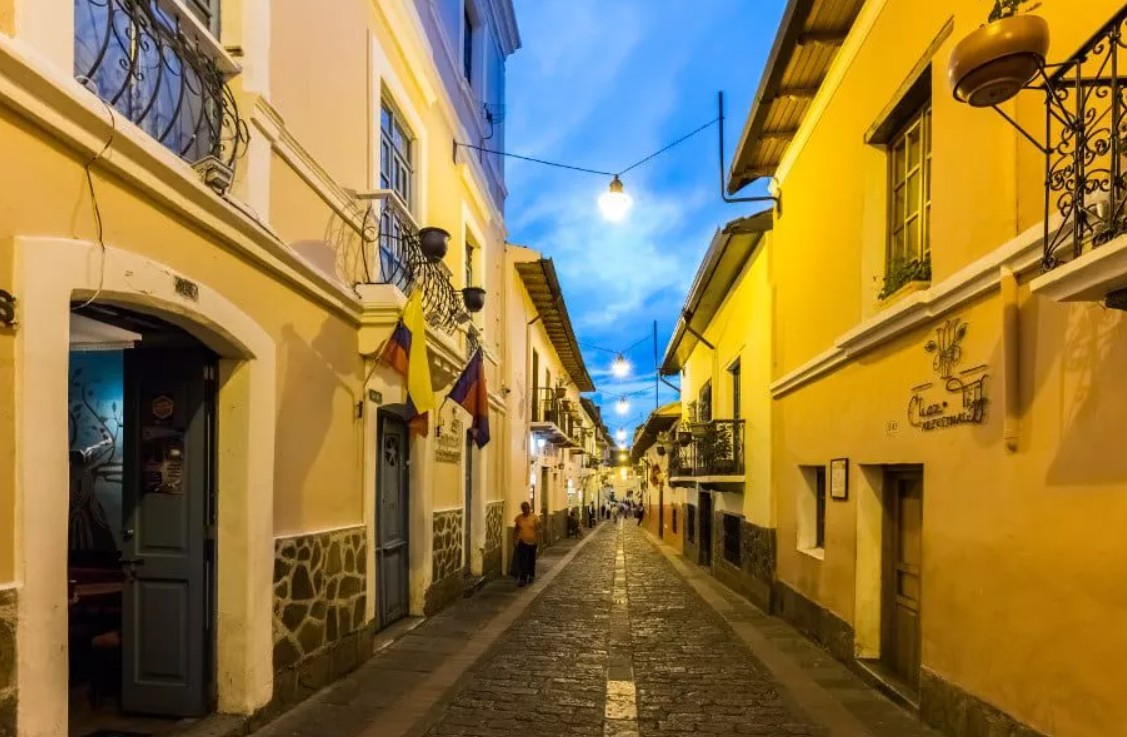
When the sun drops and the light turns golden, head to La Ronda. This narrow, lantern-lit street is one of the most atmospheric places in the city for an easy evening stroll. It can be lively, especially on weekends, but the vibe is more charming than chaotic—handicrafts, small bites, live music, and the kind of people-watching that doesn’t require any plan.
Make it simple: arrive before you’re starving, sample one or two local snacks, then pick a café or small restaurant to settle in. If you’re traveling with friends, it’s the perfect “no pressure” night. If you’re solo, it’s still comfortable—just keep an eye on your belongings like you would in any popular tourist area.
Eat and Drink Like You Mean It
Food is one of the most underrated things to do in Quito because it’s where you meet the city’s everyday life. Skip the idea that you need a fancy reservation every night. Mix markets, casual lunch counters, and a couple of thoughtful sit-down meals, and you’ll taste a broader Quito.
Markets for Color, Fruit, and Real Life
Quito’s markets are sensory in the best way—piles of bright fruit, herbs you can’t name, steaming soups, and friendly vendors who have seen every kind of traveler. Go with an open mind, point at what looks good, and consider starting with something easy like fresh fruit juice or a simple bowl of soup. If you’re unsure, follow the locals: the busiest stalls often have the safest turnover.
Chocolate and Coffee Breaks
Ecuador is famous for cacao, and Quito has plenty of places to taste thoughtful chocolate drinks and desserts. Pair that with the city’s growing specialty coffee scene, and you have a perfect afternoon reset between museum visits and viewpoint climbs. A quiet café is also a smart place to adapt to altitude—sit, hydrate, and let your day breathe.
Chase the Best Viewpoints in Quito
Quito is a city that begs you to look up and outward. The skyline is framed by mountains, and the best viewpoints show just how dramatic that setting is. If you’re choosing only a few things to do in Quito, prioritize at least one viewpoint in daylight and one around sunset for two completely different moods.
TelefériQo: High-Altitude Panorama Without the Hike
The city’s famous cable car, TelefériQo, lifts you from the edge of town up toward the slopes of Pichincha. Even if you don’t hike farther, the panoramic view is the point—Quito laid out below you, with ridgelines stretching in every direction. Go on a clear day if possible, and bring a warm layer; it can feel dramatically colder at the top.
If you do want a short hike, keep it gentle and listen to your body. Altitude plus excitement can make people overdo it. A slow walk with long pauses is still a win when the scenery looks like this.
El Panecillo: Iconic Silhouette, Big City Views
El Panecillo is a hill that’s easy to spot, crowned by a striking statue known as the Virgin of El Panecillo. From here, the Historic Center feels like a miniature model, and you can see the city’s length and shape clearly. Visit in daylight for the clearest photos and a calmer atmosphere.
Itchimbía and Easy Park Views
If you want a viewpoint that feels more like a local hangout than a tourist landmark, look for hilltop parks and viewpoints where families gather, kids run around, and the city becomes a backdrop to normal life. It’s a quieter kind of beautiful—and sometimes that’s exactly what you need after a big Old Town morning.
Modern Quito: Neighborhoods for Cafés, Design, and Green Space
Quito isn’t only colonial. Some of the most enjoyable things to do in Quito happen in its more contemporary neighborhoods, where you can slow down, eat well, and experience daily city life without the intensity of sightseeing.
La Floresta: Creative Energy and Excellent Coffee
La Floresta is often described as artsy, but the word doesn’t quite capture the feeling. Think: small galleries, murals, cozy eateries, and cafés where you can plan the rest of your day. If you like neighborhoods that feel lived-in and walkable, this is a great place for an afternoon “wander without a map.”
La Carolina Park: A Breathing Space in the City
Need a reset? Head to La Carolina. It’s one of the easiest places to take a long walk, stretch your legs, and people-watch. Modern Quito rises around the park, so you get a different sense of the city’s identity—less colonial postcard, more contemporary capital.
Nightlife, Done Smart
Quito’s nightlife ranges from laid-back cocktail bars to lively spots with dancing. The key is to pick a place that fits your comfort level and keep your night simple: go out with friends when possible, use trusted transport back to your stay, and avoid wandering unfamiliar streets late. A good night out should feel fun, not complicated.
Day Trips From Quito That Are Actually Worth the Effort
One of the smartest ways to experience Ecuador is to use Quito as a hub. You can eat breakfast in the city, spend the day among volcanoes, markets, or cloud forest, and be back for dinner. If you’re building your list of things to do in Quito, consider reserving at least one full day for a trip outside the city—it adds contrast and makes Quito itself feel even more interesting.
Mitad del Mundo: Stand Near the Equator
It’s touristy, yes—and it’s still fun. The monument at Ciudad Mitad del Mundo sits north of the city and makes for an easy half-day. Go with a playful mindset: take the photos, enjoy the exhibits, and don’t stress about making it “deep.” Not every travel moment has to be profound to be worthwhile.
Otavalo: Market Day Color and Craft
If you love textiles, handmade goods, and a day that feels vibrant from start to finish, Otavalo is a classic. The market can be busy, but that’s part of the experience. Set a small budget, walk a full loop first, then return to the stalls that truly grab you. Bargaining is common, but it should stay friendly and respectful.
Mindo: Cloud Forest, Waterfalls, and a Different Climate
Mindo is a strong choice if you want nature without committing to a multi-day adventure. The air feels softer, the landscape turns lush, and you can tailor the day to your energy—easy waterfall walks, chocolate tastings, birdwatching, or simply sitting somewhere green and quiet. It’s a refreshing contrast to Quito’s high, crisp air.
Cotopaxi: Big-Volcano Energy
If the weather cooperates, a volcano day can be unforgettable. Even if you don’t hike far, the scale of the landscape is the point: open páramo, wide skies, and the feeling that you’re standing in a different world. Bring sun protection—high altitude sun can be intense—and keep your expectations flexible. Mountains have their own plans.
Papallacta: Hot Springs for the Win
After a few active days, hot springs can feel like the best decision you’ve made all week. Papallacta is a popular option for soaking in warm pools with cool air around you—especially satisfying if you’ve been walking a lot in the city. It’s the kind of reset that makes your next day in Quito feel brand new.
A Simple 2–3 Day Quito Plan (Mix and Match)
If you like structure, here’s a flexible way to combine the highlights without overpacking your schedule. Think of it as a starting point—swap in your favorite museum, skip anything that doesn’t excite you, and build in downtime. The best things to do in Quito are the ones you enjoy enough to remember.
Day 1: Historic Center + Sunset Stroll
Spend the morning in the Historic Center: plazas, one major church interior, and a slow café break. In the afternoon, visit a museum or climb the Basílica towers for views. End with La Ronda at dusk for an easy, atmospheric evening.
Day 2: Viewpoint + Modern Neighborhoods
Start with TelefériQo (or another big viewpoint) while the skies are clearer. Have lunch in a modern neighborhood like La Floresta, then spend the afternoon browsing cafés, design shops, and parks. Keep the evening casual—this is a good night for a relaxed meal rather than a late one.
Day 3: Day Trip of Your Choice
Pick one: Mitad del Mundo for a quick half-day, Otavalo for markets, Mindo for cloud forest, or Cotopaxi for dramatic landscapes. If you’re short on time, choose what contrasts most with your previous days—nature if you’ve been in the city, or culture if you’ve mostly chased viewpoints.
Where to Stay in Quito (Quick Neighborhood Guide)
Historic Center: Best for early mornings among churches and plazas, especially if you like being able to walk out your door into history. Nights can be quieter once day-trippers leave.
La Floresta: Great for food, coffee, and a creative vibe. It’s a comfortable base if you like a neighborhood feel and easy access to modern Quito.
Near La Carolina: Convenient for parks, shopping, and a more contemporary city atmosphere. Good for travelers who prefer wide sidewalks and modern amenities.
Wherever you stay, prioritize comfort and logistics: easy transport access, good reviews for cleanliness and security, and a location that matches the kind of evenings you actually want.
You Might Also Like: a guide to the galapagos islands top wildlife experiences
Small Habits That Make Your Trip Smoother
Carry small cash. It helps for markets, snacks, and small admissions.
Use a day bag with zippers. Busy areas are easier to enjoy when you’re not constantly checking your pockets.
Build in “nothing time.” A slow lunch, a long coffee, or an hour in a park can be as valuable as another museum ticket. Quito feels better when you let it.
Take photos, then put your phone away. Viewpoints and plazas are more memorable when you actually watch the light shift and hear the city around you.
You Might Also Like: Ecuador Itinerary 7 Days: Quito, Highlands & Galapagos
At the end of the day, the best things to do in Quito are the ones that match your travel style—whether that’s baroque churches, café-hopping in La Floresta, chasing sweeping views, or escaping to cloud forest for a day. Plan lightly, stay curious, and give yourself permission to slow down. Quito isn’t a city to “finish”; it’s a city to feel.