South America is one of the most rewarding regions on the planet—dramatic landscapes, world-class food, and cultures that feel instantly vibrant. But like any big trip, it’s easier (and more enjoyable) when you treat safety as part of your planning, not something you “figure out” after you land. This guide focuses on south america travel safety for solo travelers, female travelers, and families who want to explore confidently, with practical habits that protect documents and devices, handle money, and avoid the most common scams—without turning your trip into a stress fest.
Safety in South America is rarely about avoiding the whole continent. It’s about understanding context: which neighborhoods to skip at night, how to use taxis the smart way, what to do with your passport, and how to respond if something feels off. The best travelers aren’t fearless—they’re prepared, observant, and flexible. Let’s make that your advantage.
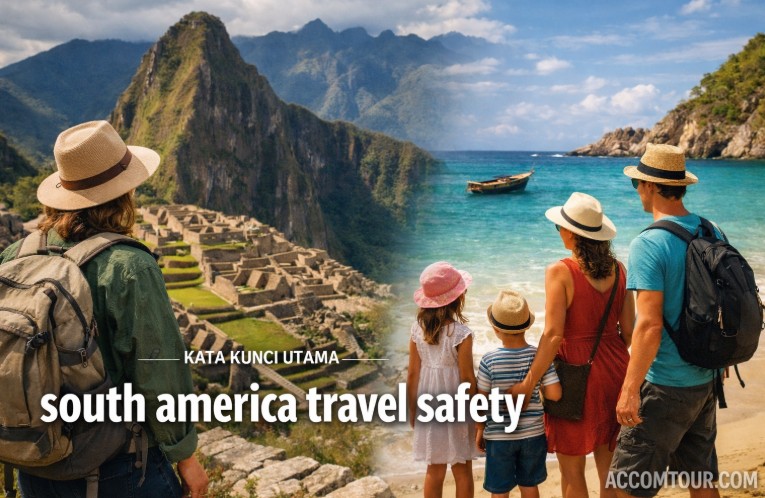
How to Think About South America Travel Safety
South America isn’t one destination. It’s a patchwork of large cities, mountain towns, beach areas, and remote regions that vary dramatically in infrastructure and crime patterns. Instead of looking for a single “safe or unsafe” label, use a three-layer approach:
- Destination layer: Country, city, and neighborhood matter more than broad reputations.
- Situational layer: Time of day, crowd density, and alcohol use change your risk profile quickly.
- Behavior layer: How you carry valuables, choose transport, and handle attention often determines outcomes.
When you stack those layers, you can keep risk low without living in panic mode. Most travelers who run into trouble experience opportunistic theft—not dramatic, movie-style crime. That’s good news: prevention tactics work.
Before You Go: Set Yourself Up for Safer Travel
1) Build a realistic itinerary
Overpacked schedules push you into rushed decisions—arriving late, wandering unfamiliar streets at night, or choosing transport without checking prices. Give yourself buffer time for long-distance buses, domestic flights, and border crossings. A calmer itinerary is a safer itinerary.
2) Keep your documents simple and secure
Carry your passport only when you truly need it (check-in, flights, border crossings, certain official ticket purchases). The rest of the time, store it in your accommodation’s safe or a locked bag. Keep a printed copy of your passport photo page and entry stamp, plus a digital copy in an encrypted cloud folder. If you use a money belt, treat it as document storage—not your “daily wallet,” which invites frequent handling.
3) Get travel insurance that actually matches your trip
Pick coverage that reflects what you’ll do: city travel, trekking, scuba, or altitude destinations. Make sure emergency medical and evacuation coverage are included and understand the claims process. If you’re traveling with children, verify pediatric coverage and telemedicine access.
4) Learn the “local logistics” basics
Download offline maps, install ride-hailing apps used in your destinations, and learn a handful of Spanish or Portuguese phrases for transport and emergencies. Even small communication improvements reduce the chance of misunderstandings and overcharging.
Smart Street Habits That Reduce Risk Everywhere
5) Dress and move like you belong
You don’t need to “blend in perfectly,” but you can look less distracted. Keep your phone away while walking, especially near traffic (snatch-and-grab theft often happens from motorcycles or at intersections). Step inside a café or shop to check directions. Walk with purpose—even if you’re improvising.
6) Use a two-wallet system
Carry a small “day wallet” with limited cash and one payment card. Keep your main cards and the majority of your money in a separate, hidden place (inside your bag’s internal pocket, or secured at your accommodation). If someone demands your wallet, handing over the day wallet ends the situation quickly with minimal loss.
7) Be intentional with your phone
Your phone is often your most valuable item—financially and operationally. Use a wrist strap or a grippy case. Turn on a strong passcode, biometric lock, and “find my device” features. Avoid using your phone right at the curb while waiting for a ride; step away from the street edge first.
8) Watch for distraction tactics
Common distraction setups include someone bumping into you, spilling something on you, asking for help with a map, or creating a small commotion while an accomplice targets pockets and bags. If a situation feels staged, disengage politely and move toward a well-lit, staffed area.
Transportation Safety: Getting Around Without Guesswork
9) Prioritize trusted airport transfers
After a long flight, fatigue makes you vulnerable. Whenever possible, prebook an airport transfer through your hotel, a reputable company, or an official airport taxi counter. If you take a taxi, confirm the estimated fare before you get in (or insist on a meter where it’s standard). Keep your luggage within sight during loading and unloading.
10) Use ride-hailing wisely
Ride-hailing can improve safety, especially at night. Still, verify the license plate and driver name before entering, and sit in the back seat if you’re alone. If the driver asks to change the destination or says the app “isn’t working,” end the ride in a public place and request a new one.
11) Night buses and long-distance travel
South America’s long-distance buses can be comfortable and efficient. Choose reputable companies, keep essentials on your body (passport copy, phone, meds), and don’t store valuables in external compartments. If you sleep, loop a strap around your leg or arm so a quick pull wakes you.
12) Safety when renting a car
In some regions, driving can be empowering; in others, it adds complexity. Avoid driving at night on unfamiliar roads, fill up before remote stretches, and keep doors locked in city traffic. If you encounter an accident scene that feels suspicious, prioritize getting to a safe, populated area and contacting authorities or your rental company from there.
Accommodation Safety: Hotels, Hostels, and Short-Term Rentals
13) Choose location over luxury
A modest place in a well-connected, walkable neighborhood is often safer than a nicer property far from everything. Read recent reviews for mentions of neighborhood vibe, noise at night, and the walk from transit.
14) Use locks and layers
Bring a small padlock for hostel lockers and a door wedge alarm for extra peace of mind. Keep valuables out of sight in your room, and don’t leave electronics charging near windows or open doors. If your accommodation has a safe, use it—just keep a photo of the safe contents as documentation for insurance claims.
15) Be careful with who knows your room number
At check-in, ask staff to write your room number rather than saying it loudly. If someone you don’t recognize mentions your name or room, verify with the front desk. In hostels, avoid discussing travel plans or expensive gear with people you just met.
Money and Cards: Simple Steps to Avoid a Bad Day
16) Use ATMs strategically
Prefer ATMs inside banks, shopping malls, or supermarkets—places with cameras and guards. Avoid using street ATMs at night. If you need cash, withdraw larger amounts less often to reduce exposure, but don’t carry all of it at once.
17) Know the card and cash norms
Some places rely heavily on cash; others accept cards widely. Keep a mix: one no-foreign-transaction-fee card, one backup card, and a modest cash reserve. If you exchange money, use official exchange houses or banks, and count it discreetly.
18) Be cautious with “helpful strangers” at machines
When someone offers assistance at an ATM or kiosk, decline and step away. If you’re confused, go inside a bank or ask the official staff. This one habit prevents many common scams.

Health and Personal Safety: What Matters Most
19) Understand altitude, heat, and hydration
Many itineraries include high-elevation regions near the Andes Mountains. Altitude sickness is real and can impair judgment. Acclimate gradually, hydrate, and keep your first day gentle. In hotter climates, dehydration and sun exposure can turn into medical issues quickly—especially for children.
20) Food and water choices
In many cities, tap water may not be recommended for visitors. When in doubt, use sealed bottled water for drinking and brushing teeth. Pick busy restaurants with high turnover, and start slowly with street food until your stomach adjusts.
21) Nightlife with boundaries
Bars and clubs can be fun, but they also raise risk. Go with friends when possible, keep your drink in sight, and avoid accepting open drinks from strangers. Set a “home time” that doesn’t depend on last-minute transport. If you’re solo, plan your ride before you go out.
Solo Travelers: Confidence Without Complacency
Solo travel is one of the best ways to experience South America, and it can be very safe with the right habits. The key is to avoid predictable vulnerabilities: looking lost, being isolated late at night, or oversharing your plans.
22) Make social connections strategically
Group tours, cooking classes, and hostel common areas are great for meeting people. When you make new friends, keep your boundaries clear: avoid giving out your accommodation details early, and don’t feel pressured to match someone else’s risk tolerance.
23) Use check-in routines
Pick a friend or family member at home and agree on a simple check-in schedule. Share your rough itinerary and key booking confirmations. If you change cities, update them. It’s a low-effort habit that adds a meaningful safety net.
24) Create a “safe exit” mindset
If a situation feels wrong—too much attention, escalating comments, or a pushy interaction—leave early. You don’t owe politeness at the expense of safety. Step into a busy shop, approach a family, or head to a staffed venue.
Female Travelers: Practical, No-Drama Strategies
Women travel widely across South America every day, and many report trips that feel welcoming and empowering. Still, street harassment can happen, and responses that work at home may not be the best fit abroad.
25) Calibrate your approach to attention
Harassment often decreases when you avoid eye contact, keep walking, and don’t engage. A neutral face and confident pace can do more than arguing. If someone follows you, change direction into a staffed area and consider requesting help from employees.
26) Choose transport proactively at night
At night, prefer ride-hailing or trusted taxis over walking long distances. If you’re staying out late, arrange your return transport before you go out. In many cities, this single decision is one of the most effective South America travel safety upgrades for women.
27) Accommodation choices that increase comfort
Consider female-only dorms in hostels or private rooms if your budget allows. Look for properties with 24-hour reception, good lighting at the entrance, and clear review patterns that mention feeling safe returning at night.
Family Travelers: Safety With Kids Without Losing the Fun
Family travel adds extra considerations, but it can be smoother than you expect—many destinations are incredibly kid-friendly. The goal is to reduce friction so you’re not making stressed decisions on the fly.
28) Pick family-friendly neighborhoods and lodging
Prioritize areas with parks, grocery stores, and restaurants within short distances. Apartments can be great for families, but check that the building entry is secure and the walk from transport is well-lit.
29) Build a “kid safety kit”
Carry a small card with your local address, emergency contacts, and any allergies. Teach kids a simple rule: if separated, find a uniformed staff member or a mother with children. For older kids, agree on a meeting point if someone gets lost in a market or festival.
30) Plan transport that fits nap and meal schedules
Long day tours can be tough for children. Choose shorter outings, schedule downtime, and keep snacks handy. A well-rested family is less likely to end up traveling after dark when everyone is tired and cranky.
Common Scams and How to Avoid Them
31) The “friendly helper” scam
Someone approaches with enthusiastic help—directions, money exchange, a “special tour,” or a shortcut. The safest response is polite refusal and continued movement. If you need help, ask inside a business, at your hotel desk, or from official tourist information.
32) Fake taxis and unmarked rides
Only use official taxis, trusted companies, or ride-hailing apps. Avoid getting into unmarked cars, even if the driver insists they are “cheaper.” At airports and bus terminals, ignore anyone who approaches you inside the terminal offering a ride. Go to an official stand instead.
33) Overcharging and menu tricks
In tourist zones, some vendors inflate prices. Ask the price before ordering or taking a service. When paying by card, verify the amount on the machine and keep your card in sight.
Digital Safety: Protect Your Data While You Travel
34) Use secure connections
Public Wi-Fi can be convenient but risky. Use a reputable VPN when logging into banking or email, or use your phone’s hotspot for sensitive tasks. Turn off auto-connect to unknown Wi-Fi networks and keep your device software updated.
You Might Also Like: backpacking South America on a budget, how much you really need per month
35) Backup and protect your photos
Upload photos daily to cloud storage, especially if you’re carrying a camera. If your phone is lost, your memories shouldn’t disappear with it. Enable remote wipe and lock your SIM with a PIN if your provider supports it.
Outdoors and Adventure: Trekking, Beaches, and Nature
36) Treat nature like a serious environment
Mountain weather changes fast, beaches can have strong currents, and remote areas have limited emergency services. Pack layers, follow local advice, and avoid hiking alone in isolated trails. For popular treks, start early, carry enough water, and let someone know your plan.
37) Choose reputable tour operators
For activities like jungle excursions, glacier hikes, or multi-day treks, prioritize companies with strong safety practices: clear briefings, proper gear, and realistic itineraries. Cheap tours can cut corners in ways you won’t see until it matters.
When Something Goes Wrong: What to Do (Without Panicking)
Even with great planning, things can happen. The difference between a headache and a crisis is often your next two decisions.
- If you’re robbed: Your goal is to stay physically safe. Don’t resist if threatened. Get to a secure location, cancel cards, and contact your embassy if documents are stolen.
- If you lose your phone: Use “Find My Device,” lock accounts, and contact your provider to block the SIM. Use your backup email access and two-factor codes if you have them.
- If you feel unsafe: Move toward people and lighting—staffed venues, hotels, pharmacies, and busy restaurants are good options. Call a trusted contact and consider changing plans.
You Might Also Like: How to Travel Solo Safely in South America’s lesser-known destinations
Quick Safety Checklist You Can Save
- Prebook airport transfers or use official counters.
- Carry a day wallet and keep backups separate.
- Use ATMs inside secure buildings.
- Step inside to check maps; avoid curbside phone use.
- At night, choose ride-hailing or trusted taxis.
- Keep passport secure; carry copies instead.
- Trust your instincts and exit early when needed.
These habits don’t make travel stressful—they make it smoother. Once your basics are locked in, you can focus on what you came for: the food, the music, the mountains, and the stories you’ll tell later.
You Might Also Like: Is South America Safe to Travel? An Honest Country & City Safety Guide for First-Timers
Ultimately, south america travel safety is about smart defaults—choosing the right neighborhood, protecting valuables, and making night transport decisions before you need them. Do that, and South America becomes what it should be: a bold, beautiful adventure you’ll want to repeat.